
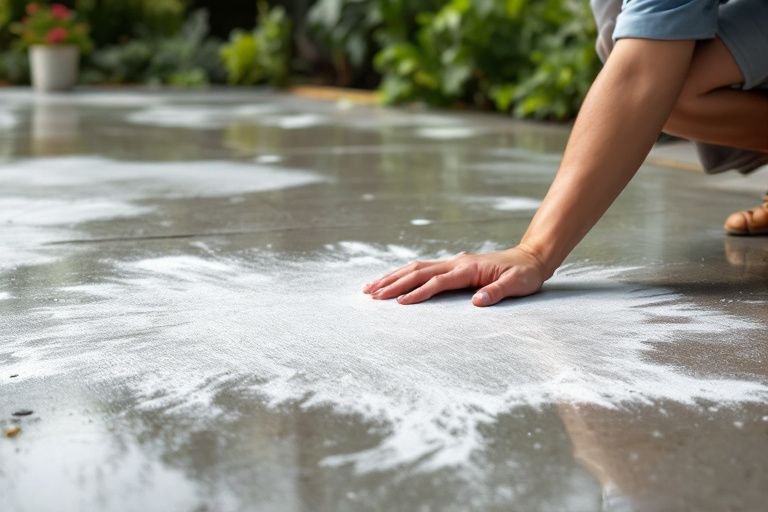
How to Remove Acrylic Paint from Concrete: Expert Tips
Have you ever struggled with stubborn acrylic paint stains on your concrete surfaces? You’re not alone. Many homeowners face this frustrating issue, but the good news is that removing acrylic paint from concrete is entirely possible with the right methods. As a seasoned expert in paint removal techniques, I’ll guide you through effective strategies to restore your concrete to its original state. In this article, you’ll discover step-by-step instructions, essential tools, and common mistakes to avoid, ensuring you achieve the best results while protecting your concrete surfaces.
Understanding Acrylic Paint and Its Properties
Acrylic paint is a versatile medium favored for its quick-drying capabilities and vibrant colors. However, its adherence to surfaces can make removal challenging, especially from porous materials like concrete. Understanding the composition of acrylic paint helps in selecting the right removal techniques. Typically, acrylic paint consists of pigments suspended in a polymer emulsion, which can bond tightly to concrete surfaces, making it difficult to clean without the proper approach. Knowing this can guide you in choosing effective removal methods that minimize damage to the underlying concrete.
Why Acrylic Paint Sticks to Concrete
Acrylic paint bonds to concrete due to its porous nature, allowing the paint to seep into tiny crevices. This adhesion is further enhanced by the paint’s polymer base, which creates a strong film as it dries. Understanding this bond is crucial for effectively loosening the paint without harming the concrete surface.
Challenges in Removal
Removing acrylic paint from concrete can be tricky due to its durability and resistance to water. The paint may require specific solvents or methods for effective removal. Additionally, aggressive scrubbing can damage the concrete, making it essential to choose gentle yet effective techniques to avoid surface degradation.
Key Points:
- Acrylic paint is durable and quick-drying
- Concrete’s porosity enhances paint adhesion
Initial Assessment Before Removal
Before attempting to remove acrylic paint from concrete, it’s critical to assess the extent of the paint coverage and the condition of the concrete. This initial evaluation can inform your approach and help you choose the best methods to avoid damage. Consider factors such as the thickness of the paint layer, how long it has been on the surface, and whether the concrete is sealed or unsealed. These elements can significantly influence the effectiveness of various removal techniques.
Evaluating Paint Thickness
Start by inspecting the surface to determine how thick the paint layer is. A thicker layer may require more aggressive removal methods, while a thin layer might come off with simple scrubbing and water. Knowing the thickness allows you to select the most suitable tools and solvents to use without risking concrete damage.
Checking Concrete Condition
Assess whether the concrete surface is sealed or unsealed. Sealed surfaces may require different removal techniques compared to unsealed ones. If the concrete is in poor condition, extra caution is needed to prevent further damage during the removal process. This assessment helps in planning an effective strategy.
Key Points:
- Assess paint thickness to guide removal methods
- Check if concrete is sealed for optimal results
Understanding Acrylic Paint on Concrete
Acrylic paint is a versatile medium, but when it spills or drips on concrete, it can be challenging to remove. Understanding the properties of acrylic paint is essential for effective removal. This paint is water-based, which means that it can be diluted with water, but once it dries, it becomes more difficult to clean. The texture of concrete also absorbs paint, making removal even trickier. Knowing the right techniques and timing can save you time and effort.
Characteristics of Acrylic Paint
Acrylic paint dries quickly, often within an hour, forming a tough film that adheres to surfaces. This property can complicate removal efforts, especially if the paint has been left to cure. It’s important to act swiftly after a spill or mishap to maximize your chances of complete removal.
Timing is Key
The sooner you address the paint spill, the easier it will be to remove. If the paint is still wet, you can often blot it up with a cloth or paper towel. Waiting too long allows the paint to dry and bond with the concrete, necessitating more aggressive removal methods.
Key Points:
- Acting fast is crucial to effective paint removal.
- Understanding the properties of acrylic paint helps in choosing the right removal method.
💡 Act quickly after a spill to prevent the paint from drying, making removal easier.
💡 Test a small, inconspicuous area before applying any removal method to ensure it won’t damage the concrete.
Effective Methods for Paint Removal
To effectively remove acrylic paint from concrete, several methods can be employed depending on whether the paint is wet or dry. Each method has its pros and cons and may require different tools or materials. For wet paint, simple water and scrubbing often suffice, while dried paint may need more intensive techniques such as scrapers or solvents.
Removing Wet Acrylic Paint
If the acrylic paint is still wet, the best approach is to immediately blot the area with a clean cloth to soak up as much paint as possible. Follow this by rinsing the area with warm, soapy water and scrubbing with a stiff brush. This method is usually effective for fresh spills.
Dealing with Dried Acrylic Paint
For dried paint, you may need to resort to scraping techniques. Use a plastic scraper or putty knife to gently lift the paint from the surface. If necessary, apply a mixture of warm water and dish soap or a vinegar solution to soften the paint before scraping. Always work carefully to avoid damaging the concrete surface.
Key Points:
- Different techniques are required for wet versus dried paint.
- Always prioritize gentle methods to preserve the integrity of the concrete.
💡 Use a plastic scraper to avoid damaging the concrete surface while removing dried paint.
💡 Consider using heat from a hairdryer to soften dried paint for easier removal.
EXPERT TIPS Pro Advice
Use a pressure washer for extensive spills
A pressure washer can effectively remove large areas of dried paint without damaging the concrete, making it a valuable tool for serious cleanup projects.
Dilute solvents before application
When using any chemical solvents, always dilute them according to guidelines to minimize risk to both the surface and your health.
Follow up with a concrete cleaner
After removing paint, using a concrete cleaner can help restore the surface and remove any lingering residues, ensuring a clean finish.
Frequently Asked Questions
Conclusion
Removing acrylic paint from concrete requires a combination of techniques, including scraping, using solvents, and scrubbing. Tools like pressure washers and scrub brushes can enhance effectiveness. Patience is key, as results may take time and multiple attempts.
🎯 Key Takeaways:
- Use scraping, solvents, and scrubbing for effective removal.
- Vinegar can help break down paint effectively.
- Pressure washing may enhance the removal process.
- Be prepared for a time-consuming process.
- A stiff brush is beneficial for scrubbing.
Expert Advice: Approach paint removal with patience and care, ensuring to test methods in small areas first. Always wear protective gear and follow safety guidelines when using chemicals.
Start by assessing the affected area and choose your removal method, keeping in mind to practice safety precautions.