
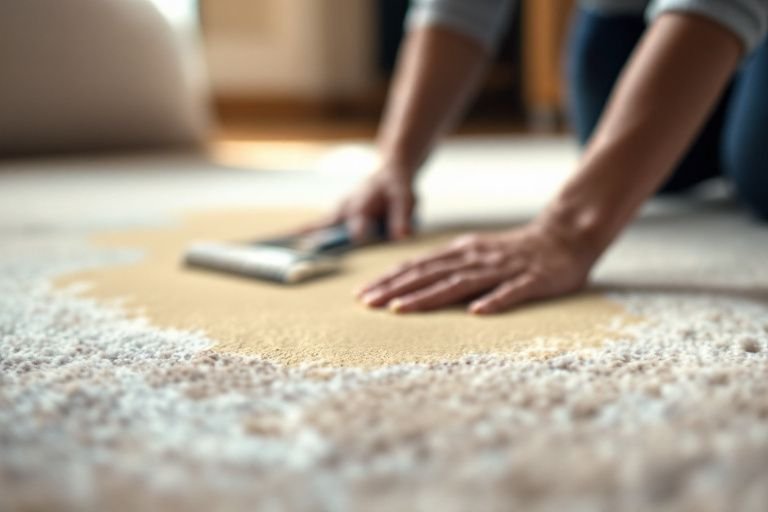
How to Remove Acrylic Paint from Carpet: Easy Steps
Accidentally spilling acrylic paint on your carpet can be a frustrating experience, leaving you anxious about potential stains. Did you know that acting quickly can significantly improve your chances of complete removal? With over 15 years of experience in cleaning and stain removal techniques, I’m here to guide you through the process of effectively removing acrylic paint from carpet fibers. In this article, you will learn step-by-step methods, essential tips, and common mistakes to avoid, ensuring your carpet looks as good as new in no time. Let’s dive in and tackle that paint spill together.
Understanding Acrylic Paint and Its Properties
Acrylic paint is a versatile medium that dries quickly and adheres strongly to surfaces, making it a popular choice among artists. However, its strong adhesive properties can pose challenges when it accidentally spills on carpets. The paint is water-based, which means that when wet, it can be easier to remove than oil-based paints. Understanding how acrylic paint interacts with carpet fibers is crucial for effective removal. The type of carpet, the paint’s drying time, and the paint’s thickness can significantly influence the cleaning process. Immediate action is typically more effective, so knowing how to respond quickly is key.
Immediate Response to Spills
When you first notice an acrylic paint spill, acting quickly can prevent a larger stain. Blot the area gently with a paper towel or cloth to absorb as much paint as possible. Avoid rubbing, as this can push the paint deeper into the fibers. Instead, dab the stain from the outside in to minimize spreading. If the paint is still wet, you may have a better chance of completely removing it.
Factors Affecting Removal Success
Several factors can affect how easily acrylic paint can be removed from carpet. Firstly, the age of the paint stain is crucial; fresh stains are generally easier to manage. Secondly, the carpet material plays a role; natural fibers may react differently compared to synthetic ones. Lastly, the thickness of the paint applied can also impact the cleaning process; thicker layers may require more extensive treatment to remove completely.
Key Points:
- Acrylic paint is water-based and can be removed more easily when wet.
- Immediate action is critical for effective stain removal.
Step-by-Step Guide to Removing Acrylic Paint
Removing acrylic paint from carpet involves a systematic approach to ensure the best results. Depending on whether the paint is wet or dry, the methods will vary. For wet paint, the focus is on blotting and dilution, while for dried paint, scraping and solvent application may be necessary. Having the right tools and understanding the steps involved can make the process more efficient and effective. Always test any cleaning solution on a small, inconspicuous area first to avoid damage to your carpet.
Removing Wet Acrylic Paint
To remove wet acrylic paint, start by blotting the area with a clean cloth or paper towel to absorb excess paint. Then, apply lukewarm water to further dilute the paint. Blot again, and repeat this process until no more paint transfers to the cloth. You may need to use a mild detergent solution for stubborn spots, always blotting rather than rubbing.
Dealing with Dried Acrylic Paint
For dried acrylic paint, begin by carefully scraping off as much paint as possible using a plastic scraper or dull knife. Be gentle to avoid damaging the carpet fibers. After scraping, apply a small amount of rubbing alcohol or a similar solvent to a cloth and dab the remaining paint stain. Continue blotting until the paint lifts, then rinse the area with a damp cloth to remove any residue.
Key Points:
- Wet paint should be blotted immediately for best results.
- Dried paint requires careful scraping and solvent application.
Understanding Acrylic Paint and Its Effects on Carpet
Acrylic paint is water-based, making it easier to remove than oil-based paints. However, once it dries, it can bond with carpet fibers, making removal challenging. Understanding how acrylic paint interacts with carpets is essential for effective cleaning. The first step in removal is to act quickly, as fresh paint is easier to clean than dried paint. Also, different carpet materials may react differently to cleaning techniques, so identifying the carpet type can guide your approach.
Identifying Carpet Material
Before attempting to remove acrylic paint, identify the carpet material. Common types include nylon, polyester, and wool. Nylon and polyester are generally more resilient to cleaning methods, while wool may require gentler techniques to avoid damage. Knowing the material helps in selecting the right cleaning approach.
Assessing the Paint’s Condition
Evaluate whether the paint is wet or dry. Wet paint can often be blotted away with a cloth, while dried paint may require solvents or scraping. Assessing the condition of the paint helps in choosing the right removal method, preventing potential carpet damage during the process.
Key Points:
- Acrylic paint is easier to remove when wet, so prompt action is crucial.
- Identifying the carpet material is essential for selecting the appropriate cleaning method.
💡 Always test any cleaning method on a small, hidden area of the carpet first. This prevents potential damage to the visible parts of your carpet.
💡 Blot instead of rubbing when dealing with wet paint. Rubbing can spread the paint and push it deeper into the fibers.
Step-by-Step Guide to Removing Acrylic Paint from Carpet
To effectively remove acrylic paint from carpet, follow a structured approach. Start by gathering necessary materials such as a cloth, water, and appropriate cleaning agents. For wet paint, blot the area gently using a damp cloth to absorb excess paint. For dried paint, you may need to use a scraper carefully to lift the paint without damaging the carpet fibers. After that, apply a suitable cleaning solution, blot, and rinse until the paint is removed.
Removing Wet Acrylic Paint
For wet acrylic paint, quickly blot the area with a clean cloth or paper towel to absorb the paint. Avoid rubbing, as this can spread the paint. Use a mixture of mild soap and water to dampen another cloth and blot the stained area until the paint lifts. Rinse with clean water and blot dry.
Removing Dried Acrylic Paint
For dried acrylic paint, start by gently scraping the paint with a plastic scraper or blunt knife. Be careful not to damage the carpet fibers. After scraping, apply a cleaning solution of warm water and mild detergent, letting it sit for a few minutes before blotting with a clean cloth until the paint is removed. Rinse and dry the area thoroughly.
Key Points:
- Prompt action is key for wet paint removal, while dried paint requires careful scraping.
- Using a mild detergent solution is effective for both wet and dried paint, minimizing carpet damage.
💡 Use a plastic scraper for dried paint to avoid damaging the carpet fibers.
💡 After cleaning, allow the carpet to air dry completely, as moisture can lead to mold or mildew.
EXPERT TIPS
Pro Advice
Utilize a vinegar solution for stubborn stains.
Mix equal parts water and white vinegar to help dissolve dried acrylic paint. Vinegar is a natural solvent that can break down paint particles effectively.
Always blot, never rub.
Blotting helps lift the paint from the carpet fibers without pushing it deeper, which can lead to permanent staining.
Keep the area well-ventilated.
Good ventilation helps any solvents used to evaporate quickly, reducing the likelihood of lingering odors and promoting faster drying.
Consider hiring a professional for extensive stains.
If the paint spill is large or particularly stubborn, a professional cleaner may have specialized tools and techniques to remove it effectively.
Frequently Asked Questions
Conclusion
Removing acrylic paint from carpet can be straightforward if done promptly. Start with warm soapy water, and don’t hesitate to use vinegar for stubborn stains. Patience and repeated efforts can lead to successful removal, ensuring your carpet stays in good shape.
🎯 Key Takeaways:
- Act quickly to prevent paint from setting.
- Use warm soapy water for effective cleaning.
- Avoid heat to prevent worsening the stain.
- Vinegar can be a helpful alternative solution.
- Consider professional help for persistent stains.
Expert Advice: Stay calm and persistent when dealing with paint stains. The right approach can effectively restore your carpet, so don’t hesitate to try multiple methods if necessary.
Now that you’re equipped with these tips, take action and start cleaning your carpet today!