
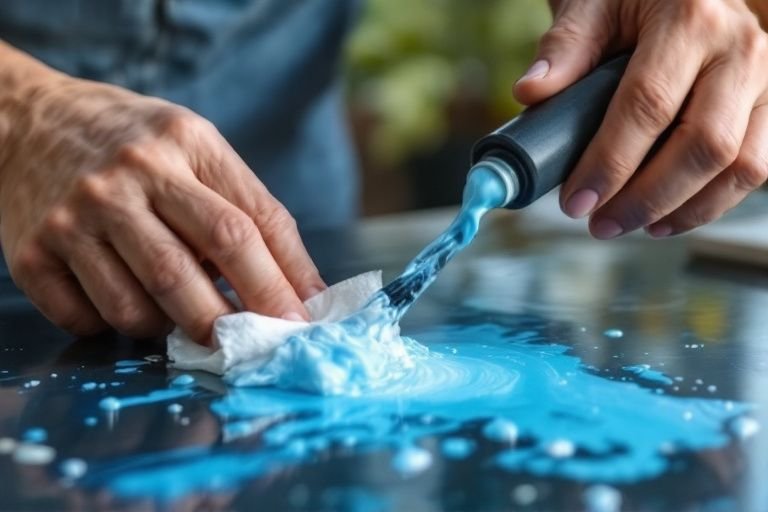
How to Remove Acrylic Paint from Plastic Easily
Have you ever accidentally spilled acrylic paint on plastic surfaces? It’s a frustrating situation that many people face, but fortunately, there are effective methods to remove it without damaging the plastic. With over 15 years of experience in cleaning and restoration techniques, I can guide you through the best practices for safely eliminating acrylic paint from various types of plastic. In this article, you will learn step-by-step techniques, common mistakes to avoid, and expert tips that ensure your plastic surfaces remain intact and spotless. Say goodbye to those unsightly paint stains and restore your plastic items to their original condition.
Understanding Acrylic Paint and Its Properties
Acrylic paint is a water-based medium that dries quickly and forms a durable, flexible layer upon drying. While its adhesion makes it ideal for various surfaces, this property can complicate removal, especially from non-porous materials like plastic. Recognizing how acrylic paint bonds with plastic will help in choosing the best removal strategy. Typically, the paint may be removed effectively if tackled while still wet, but dried paint requires more effort and specialized techniques to avoid damaging the underlying plastic.
Chemical Composition of Acrylic Paint
Acrylic paint consists of pigments suspended in an acrylic polymer emulsion. This formulation allows for easy clean-up with water when wet, but once dried, the paint becomes water-resistant and adheres strongly to surfaces. Understanding this chemical aspect is crucial for effective removal, as solvents or mechanical methods may be necessary for dried paint.
Types of Plastic Surfaces
Different types of plastic can react differently to paint and removal methods. Common plastics include polypropylene, polyethylene, and polystyrene. Knowing the type of plastic will influence the technique used to remove paint, as some plastics can be more susceptible to scratching or damage than others.
Key Points:
- Acrylic paint’s quick drying time complicates removal.
- Different plastics require different removal approaches.
Initial Steps for Paint Removal
Before attempting to remove acrylic paint from plastic, assess the situation to determine the best method. Start by checking whether the paint is wet or dry, as this will dictate your approach. For wet paint, a gentle blotting technique can prevent spreading, while dried paint may require scraping or solvents. Always test a small, inconspicuous area first to ensure that your chosen method does not harm the plastic surface. The initial assessment is crucial to ensure effective and safe removal.
Assessing the Paint Condition
Identify if the acrylic paint is still wet or has dried. If wet, it can often be wiped away easily with a damp cloth. If it has dried, it may require more intensive methods such as scraping or using solvents. Assessing the condition helps to choose the least aggressive removal technique.
Testing Removal Methods
Before applying any removal method, test it on a small, hidden area of the plastic. This will help you evaluate whether the method will damage the plastic or affect its finish. Conducting this test can save you from potential mishaps that could lead to further damage.
Key Points:
- Assess paint condition before attempting removal.
- Always test removal methods in inconspicuous areas.
Understanding Acrylic Paint and Its Bonding with Plastic
Acrylic paint is a popular choice for many artists and DIY enthusiasts due to its quick-drying properties and versatility. However, when it comes to plastic surfaces, the paint can bond quite tenaciously. Understanding how acrylic paint adheres to plastic is crucial for effective removal. Acrylics are water-based, but once dry, they can create a strong film that may require specific techniques to remove without damaging the underlying plastic. The key is to act quickly while the paint is still wet or use the right solvents for dried paint. Knowing the type of plastic is also essential, as some methods may be more suitable for certain types of plastic than others.
Types of Plastic and Their Sensitivity
Different plastics exhibit varying levels of resistance to solvents and abrasive methods. For instance, polyethylene and polypropylene are more resistant to chemical agents, while polystyrene might be more vulnerable. Assessing the type of plastic you’re dealing with can help you choose the safest and most effective removal method. A gentle approach is often best to prevent surface damage.
The Importance of Timing in Paint Removal
Timing is critical when removing acrylic paint. If the paint is still wet, you can easily wipe it away with a damp cloth or sponge. For dried paint, you may need to use solvents or scraping methods. However, letting the paint sit for too long can make removal more difficult, so it’s advisable to address spills or splatters as soon as they occur.
Key Points:
- Acrylic paint bonds strongly to plastic when dry.
- Understanding the type of plastic can guide the appropriate removal method.
💡 Always test removal methods on a small, inconspicuous area of the plastic first to avoid damage.
💡 Use a plastic scraper instead of metal tools to minimize the risk of scratching the surface.
Step-by-Step Techniques for Paint Removal
When it comes to removing acrylic paint from plastic, there are several effective techniques you can employ, depending on whether the paint is wet or dry. For wet paint, immediate action is essential. Simply blot the area with a damp cloth to absorb the excess paint. For dried paint, methods can vary from using solvents to mechanical removal. It’s crucial to choose a method that minimizes potential damage to the plastic surface while effectively removing the paint. Always ensure proper ventilation when using any chemical agents, and follow safety guidelines.
Using Solvents for Dried Paint
For dried acrylic paint, solvents such as rubbing alcohol or vinegar can be effective. Apply a small amount to a cloth and gently rub the area. Allow the solvent to sit for a few minutes to soften the paint before attempting to wipe it away. This method is generally safe for most plastic types but always test first to avoid any adverse reactions.
Mechanical Removal Techniques
If solvents are not effective, consider mechanical removal techniques. Use a plastic scraper or putty knife to gently lift the paint off the surface. Be careful to avoid scratching the plastic. For stubborn spots, consider using fine-grit sandpaper lightly, but only if the plastic can tolerate abrasion without damage.
Key Points:
- Immediate action is vital for effective paint removal.
- Mechanical methods should be employed cautiously to avoid damage.
💡 Work in a well-ventilated area while using solvents to ensure safety.
💡 Always wear gloves to protect your skin from chemical exposure.
EXPERT TIPS
Pro Advice
Act quickly on wet paint spills.
The sooner you address wet acrylic paint, the easier it is to remove. Use a damp cloth to blot the paint rather than rubbing it, which can spread the paint further.
Use heat for stubborn dried paint.
Applying gentle heat with a hairdryer can soften dried acrylic paint, making it easier to scrape off. Keep the heat source moving to avoid damaging the plastic.
Choose the right solvent based on plastic type.
Different plastics react differently to solvents. Always test a small area first to ensure the solvent doesn’t cause discoloration or damage.
Consider using a plastic wrap.
Covering the area with plastic wrap after applying a solvent can help keep it moist longer, aiding in paint removal.
Be patient during the removal process.
Rushing can lead to scratches or damage. Take your time to test methods and allow solvents to work effectively.
Frequently Asked Questions
Conclusion
Removing acrylic paint from plastic can be achieved using various methods, including solvents like rubbing alcohol, vinegar, or heat application. Always test on small areas first and use gentle techniques to avoid damaging the plastic. Understanding the adhesion properties of acrylic paint can also aid in prevention and removal.
🎯 Key Takeaways:
- Use rubbing alcohol or vinegar to remove fresh acrylic paint.
- Soak dried paint with warm, soapy water before scraping.
- Heat can soften paint but use caution to avoid warping.
- Consider a primer to prevent future sticking.
Expert Advice: Approach paint removal with patience and care. Always test methods on inconspicuous areas to avoid damaging your plastic items.
Try out these techniques today and enjoy your refreshed plastic surfaces!