When you’re choosing the best primer for pine wood, the right formula can help paint adhere and create a more even-looking finish—especially on fresh, knotty boards. This roundup compares five options, from a water-based primer and sealer to spray primers and a shellac sealer, so you can match the product to your project rather than buy by label alone. Our top pick for general-purpose prep is Zinsser Bulls Eye Water-Base Primer & Sealer; if knots or resin bleed are your concern, consider the shellac option and follow its label directions. We also include a stainable wood-fiber coating for projects where a painted-then-stained effect is the goal. Prices are listed as supplied, and ratings weren’t provided, so verify current details before purchasing. Use the comparison below to narrow down a pine wood primer for furniture, trim, or other DIY work.
Topics covered: primer for bare pineshellac primer for knotswood primer and sealer pine wood primerprimer for knotty pinewood primer for painting
Our Top Picks
Best Overall
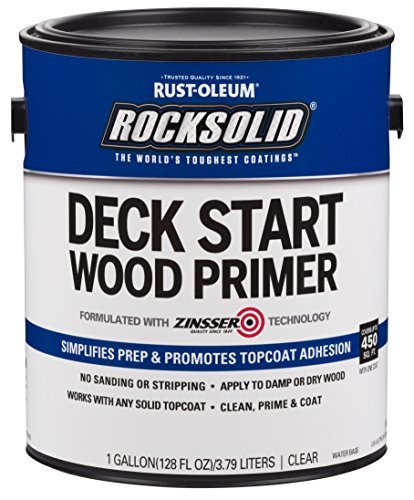
Rust-Oleum 312283 Deck Start Wood Primer, 1 Gallon, Clear
Rust-Oleum 312283 Deck Start Wood Primer, 1 Gallon, Clear
Rust-Oleum Deck Start is a practical option for homeowners looking for the best primer for pine wood used outdoors, especially when the boards are weathered or already coated. Its main appeal is convenience: the water-based formula is designed to bond a new solid-color topcoat to existing exterior wood without sanding or stripping away the old finish. That can make a deck, fence, dock, or outdoor furniture project substantially easier to tackle. The primer applies milky white and dries clear, so it won’t leave a white base visible beneath the finish. It is intended for use under a solid exterior stain, paint, or another solid topcoat—not as a standalone protective finish.
Key Features
✓
Designed for weathered and previously coated wood The formula is made for worn or previously finished exterior wood, including decks and fences. On pine, that makes it a useful candidate when boards have an older coating and you plan to apply a compatible solid-color finish.
✓
Adhesion without routine stripping Rust-Oleum says its adhesion chemistry helps the new topcoat grip the existing surface, eliminating the need to sand or strip away old coatings in suitable conditions. Sound, clean surfaces still matter; loose or failing material should not be ignored.
✓
One-coat coverage and quick drying The manufacturer lists coverage up to 450 square feet per gallon in one coat. It dries to the touch in about an hour, with a recommended 1–2 hours before applying a solid-color topcoat, helping keep projects moving.
✓
Water-based, low-VOC formula The low-VOC formulation is water-based and has minimal odor compared with many solvent-based products. It applies milky white and dries clear, which is helpful when you want primer adhesion without a visible white layer.
Performance & User Experience
For a weathered pine deck or fence, the biggest practical advantage is avoiding a full strip-and-sand routine before repainting. The stated ability to apply to damp wood may also help with scheduling, but it should not be taken as permission to coat saturated boards or work outside label conditions. Coverage of up to 450 square feet per gallon is a useful planning figure; rough, porous, or uneven pine may use more. Allow the recommended drying time before applying a solid topcoat, and confirm that the chosen finish is compatible. Since this is a clear primer intended beneath a solid finish, it is not the right choice for someone seeking a transparent, natural-wood look. Proper surface inspection and removal of loose coating remain important for a durable result.
Build Quality & Design
This is a liquid, water-based exterior wood primer rather than a physical component, so durability depends on surface condition, application, drying, and the topcoat system. Its clear-drying finish is a sensible design choice for a primer used under solid colors, while the gallon size suits larger jobs better than small touch-ups. The low-odor formula may be more comfortable to use outdoors, though normal ventilation and label precautions still apply.
✓
Pros
• Cuts down on surface-preparation work: For compatible, sound existing coatings, avoiding stripping and sanding can save considerable time on a deck or fence refresh.
• Useful coverage for larger projects: Up to 450 square feet per gallon gives homeowners a straightforward starting point for estimating quantities, subject to wood condition and application.
• Quick recoat schedule: Touch-dry in about an hour and ready for a solid topcoat after 1–2 hours, according to the manufacturer, it can reduce project downtime.
• Low odor and clear drying: The water-based, low-VOC formula has minimal odor and dries clear, a helpful combination for exterior repainting.
✗
Cons
• Requires a solid topcoat: This primer is not a finished protective coating. It is unsuitable when the goal is to preserve a transparent or natural-pine appearance.
• Surface condition still matters: Skipping sanding does not mean skipping inspection. Peeling, loose, or poorly bonded coatings may undermine the new finish and need attention first.
Best For: Homeowners repainting weathered pine decks, fences, docks, or outdoor furniture who want to reduce stripping and sanding work before using a solid exterior stain or paint. It is less suitable for new-wood projects requiring a different primer or for anyone wanting a clear, natural-looking finish.
Our Verdict
Rust-Oleum Deck Start earns its Best Overall position as a convenient exterior wood primer for suitable weathered or previously coated surfaces. Its clear-drying, low-odor formula, stated 450-square-foot coverage, and short wait before topcoating make it appealing for practical deck and fence refreshes. It can be a strong contender for the best primer for pine wood when the pine is outdoors and will receive a solid finish. However, it is not a substitute for a topcoat, and the surface must be sound and compatible. Check the product label for preparation and application requirements before starting.
Zinsser Bulls Eye Water-Base Primer & Sealer, White
Zinsser Bulls Eye Water-Base Primer & Sealer is a practical choice for routine interior prep, especially when low odor and easy application matter. I like its broad surface compatibility: it’s designed for walls, doors, trim, plaster, concrete, and other interior materials. For shoppers looking for the best primer for pine wood, it offers convenient stain hiding and a smooth base for paint, without requiring sanding on many slick surfaces. One important caveat: pine knots and resin can bleed through water-based coatings, so knot-prone boards may need a dedicated stain-blocking sealer before this primer. At $10.49, it’s an accessible option for everyday projects.
Key Features
✓
Broad interior compatibility The formula is listed for walls, doors, trim, plaster, concrete, and more. That versatility makes it useful for mixed-material projects, rather than requiring a separate primer for every surface.
✓
Low-odor water-based formula Water-based composition means easier cleanup and less lingering odor than many solvent-based options. Its stain-hiding ability is intended to help cover dark or porous areas before applying a topcoat.
✓
Quick drying and stated coverage It dries to the touch in about 30 minutes and covers up to 100 square feet per quart, according to the product information. Those figures can help with project planning, though surface texture and porosity affect actual coverage.
✓
Uniform, paint-ready finish The primer dries to a flat finish designed to create a consistent base for topcoats. It also adheres to slick surfaces without requiring deglossing or sanding, which can save prep time when the surface is suitable.
Performance & User Experience
For everyday interior work, the quick touch-dry time can make it easier to keep a room project moving, particularly when priming trim, doors, or small sections before painting. The stated coverage is useful for estimating materials, but porous or rough pine may absorb more primer than a smooth surface. Its low-odor formula is appealing in occupied homes where ventilation and comfort matter. On pine, I would use it for general surface preparation and a more uniform topcoat, while checking knots and resinous spots carefully. The product’s stain-hiding claims do not guarantee that every tannin or knot stain will stay sealed; for those areas, a dedicated shellac- or oil-based stain blocker may be a safer first step. Avoid treating the no-sanding claim as universal: clean, sound surfaces and label directions still matter.
Build Quality & Design
As a liquid primer, its practical strengths are ease of application and a flat, uniform finish rather than a heavy-duty coating feel. The white color provides a useful base beneath many interior paints. Water-based cleanup is convenient, but durability ultimately depends on proper surface preparation, complete drying, and the quality of the topcoat. Follow the container’s application guidance, especially on porous wood and previously coated surfaces.
✓
Pros
• Convenient for routine interior prep: Its listed compatibility with several common surfaces makes it a flexible option for small repairs and multi-surface painting projects.
• Lower-odor application: The water-based formula is a sensible choice when strong solvent odors would be inconvenient indoors.
• Fast touch-dry time: A stated 30-minute touch-dry time can help reduce waiting between project steps, subject to conditions and label instructions.
• Can reduce prep work: Adhesion to slick surfaces without deglossing or sanding may save time when the surface is clean and appropriate for this primer.
✗
Cons
• Pine knots may need extra treatment: Knots and resin can bleed through water-based primers. For knotty pine, spot-seal those areas with a dedicated stain blocker rather than relying on this product alone.
• Coverage varies by surface: The stated 100-square-foot coverage per quart may be lower on rough or highly porous pine, so budget for possible extra material.
Best For: This primer suits homeowners and DIY painters handling everyday indoor jobs who value low odor, straightforward cleanup, and a quick-drying base. Pine-project users should consider it for general priming, but those painting knotty boards or covering persistent stains should add a targeted stain-blocking step.
Our Verdict
Zinsser Bulls Eye Water-Base Primer & Sealer is a versatile, convenient everyday primer with useful low-odor application, quick touch-dry time, and a flat base for topcoat. It can be a reasonable candidate for the best primer for pine wood when the boards are relatively clean and knot-free, but it is not the safest stand-alone choice for resinous knots or stubborn tannin stains. At $10.49, it offers practical value for general interior projects. I’d recommend it for routine prep, with extra stain-blocking protection where pine demands it.
Rust-Oleum Painter’s Touch 2X Ultra Cover Spray Primer, Flat White
Rust-Oleum Painter’s Touch 2X Ultra Cover Spray Primer is an affordable option for preparing pine and other surfaces before painting. Its flat white finish can help create a more uniform base, while the spray format is convenient for furniture parts, trim, and small DIY projects. I’m assessing it from the supplied specifications rather than claiming hands-on testing: the standout points are broad material compatibility, a comfort spray tip, and touch-dry time of about 20 minutes. For shoppers looking for the best primer for pine wood without investing in a large can, this is a practical candidate. Keep in mind that pine can have knots and resinous areas, which may need separate attention before priming.
Key Features
✓
Multi-surface compatibility The oil-based primer is specified for wood, plastic, plaster, metal, masonry, and unglazed ceramic. That range makes it useful for mixed-material projects, though a clean, dry surface and proper preparation remain important for adhesion.
✓
Fast-drying, sandable finish Rust-Oleum lists a touch-dry time of approximately 20 minutes and says the primer can be sanded wet or dry. Drying and recoating conditions vary, so follow the can directions and allow adequate time before applying paint.
✓
Spray application details The any-angle spray and comfort tip are designed to make application easier on awkward shapes and reduce finger fatigue. They can help with spindles, edges, and small components, but steady movement and thin coats help limit drips.
✓
Coverage and protection One can covers up to 12 square feet, making it better suited to modest projects than large rooms or extensive furniture sets. The manufacturer describes the oil-based formula as chip-resistant and designed for long-lasting protection.
Performance & User Experience
For a small pine shelf, picture frame, or set of furniture legs, the spray format should make it easier to reach corners and edges than brushing on primer. The flat white base is useful when changing pine from a natural finish to a lighter paint color, and its stated coverage gives a rough planning guide. Actual coverage can be lower on rough, porous, or uneven wood. The 20-minute touch-dry claim is convenient for project workflow, but it does not mean the surface is ready for paint immediately in every condition; temperature, humidity, coat thickness, and the label’s recoat instructions matter. On knotty pine, do not assume this product alone will prevent every stain or resin bleed-through. Spot treatment or a dedicated stain-blocking primer may be necessary for a more reliable finish.
Build Quality & Design
This is an aerosol coating rather than a reusable hand tool, so durability mainly depends on the cured primer and the quality of surface preparation. The can’s comfort tip and any-angle design are practical touches for short jobs. The flat finish is paint-ready, while sanding offers a way to smooth minor texture between coats. Use it with good ventilation and follow the label’s safety and disposal instructions.
✓
Pros
• Budget-friendly project option: At $5.99, it is an accessible choice for small repairs and craft projects, particularly when the convenience of spray application matters more than buying a larger quantity.
• Works across multiple materials: Its listed compatibility with wood and several other surfaces can simplify projects that combine pine with metal or plastic components.
• Convenient spray controls: Any-angle spraying and a comfort tip are useful for edges and awkward shapes that can be tedious to cover with a brush.
• Sandable flat base: The flat finish and wet-or-dry sanding option support a smoother surface before topcoating, provided the primer is fully ready according to its directions.
✗
Cons
• Limited coverage per can: Up to 12 square feet is modest for larger furniture or multiple boards, so bigger projects may require several cans and careful cost comparison.
• May not block pine knots: Knotty or resinous pine can discolor topcoats. Consider a dedicated stain-blocking treatment where needed rather than relying on a general-purpose primer alone.
• Requires spray precautions: Aerosol application needs ventilation and overspray protection. It may be less suitable than a brush-on product for indoor work without a controlled, well-ventilated area.
Best For: A good fit for budget-conscious DIYers priming small pine items, trim, or mixed-material projects who value quick spray coverage and can work with suitable ventilation. For knotty pine or large surfaces, plan on extra preparation or a different primer.
Our Verdict
Rust-Oleum Painter’s Touch 2X Ultra Cover is a versatile, inexpensive spray primer with helpful application features and a useful sandable flat finish. Its stated 20-minute touch-dry time suits small projects, but coverage is limited, and knotty pine may need a dedicated stain-blocking product. I’d consider it among the best primer for pine wood options for straightforward, modest jobs—not as a universal solution for every pine surface. At $5.99, it offers solid convenience when its limits match the project.
Retique It Wood’n Primer – Paint it then stain it – Stainable Wood Fiber Paint (Light Wood, Large)
Retique It Wood’n Primer takes a different approach to refinishing: instead of simply sealing a surface, it creates an absorbent, wood-fiber base intended to accept stain. That makes it an interesting premium option for pine projects where you want a wood-like finish, as well as for laminate or painted furniture that cannot easily be stripped. Its low-odor, water-based formula is appealing for indoor work. I haven’t independently tested this product, so this assessment is based on the supplied specifications; results will depend on preparation, application, stain, and sealing. If you’re searching for the best primer for pine wood specifically to create a stainable finish, this is a specialized candidate rather than a conventional paint primer.
Key Features
✓
Stainable wood-fiber base The patented formula is designed to mimic raw wood’s absorbency, helping stain penetrate for a more convincing wood-like appearance. It’s intended to be stained and sealed, not simply left as a finished surface.
✓
Broad stain compatibility The improved formula is described as compatible with virtually any brand of stain, including penetrating stains. That flexibility gives you more choice over tone and finish, though a small test area is prudent.
✓
Works across materials The product is designed for furniture and cabinets as well as glass, metal, plastic, tile, laminate, and painted wood. This can make it useful when stripping an existing finish is impractical.
✓
Indoor-friendly cleanup It is water-based, ultra-low VOC, and described as virtually odorless, with soap-and-water cleanup. Those qualities are practical for indoor projects, though normal ventilation and label directions still matter.
Performance & User Experience
The product’s main appeal is its process: clean the surface, lightly scuff it, apply the primer, then stain and seal. That could simplify a cabinet or furniture refresh where removing the old coating would be labor-intensive. On pine, the goal is a stainable base and a more natural-looking result; it should not be confused with a standard primer meant to prepare pine for opaque paint. The stated compatibility with penetrating stains is promising, but stain color and absorption can vary, so test the complete finish system on an inconspicuous spot. Follow the manufacturer’s instructions for coverage and drying between steps. I can’t verify real-world durability or adhesion from the supplied information alone.
Build Quality & Design
This is a coating rather than a physical furniture item, so build quality comes down to its formula and application behavior. The manufacturer highlights improved adhesion and a real-wood-fiber composition designed to take stain. The light-wood option offers a starting point for wood tones, but final appearance depends on the stain and sealer. Expect surface preparation and careful, even application to remain important.
✓
Pros
• Enables stain-style refinishing: Designed to create a wood-like, stainable surface, offering a route to a natural finish on materials that may not be bare wood.
• May reduce stripping work: The stated process calls for cleaning and light scuffing rather than removing the entire old finish, potentially saving effort.
• Flexible stain pairing: Compatibility with many stains, including penetrating types, gives more control over the final color.
• Suitable for indoor projects: Low odor, low VOC, and water cleanup are convenient qualities for furniture and cabinet work indoors.
✗
Cons
• Not a conventional paint primer: Its purpose is to support a stained wood-look finish. Buyers preparing pine for ordinary paint should choose a primer formulated for that job.
• Finish requires multiple steps: You still need to apply stain and sealer, and should test the combination first. The final look is not guaranteed by the primer alone.
Best For: A good fit for DIYers refinishing cabinets, furniture, or laminate who want a stained wood appearance without fully stripping the existing coating. Pine owners should consider it when the goal is a stainable finish, not basic paint preparation.
Our Verdict
Retique It Wood’n Primer is a specialized, premium option for turning prepared surfaces into a base for stain. Its broad material claims, indoor-friendly formula, and stated stain compatibility are compelling, but the finished look depends on careful prep and the stain-and-sealer combination. For the best primer for pine wood, it makes sense when you want a wood-like stained result; it is not the right pick for every painting project. At $59.99, weigh the convenience against the need to test the system before tackling a large surface.
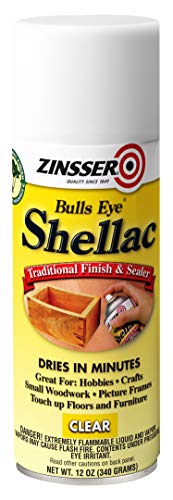
Zinsser Bulls Eye Shellac is a handy aerosol sealer for small wood projects, trim repairs, and craft work. It earns Best Value for combining a traditional shellac finish with odor-blocking use in a convenient 12-ounce can. If you’re researching the best primer for pine wood, note that this is better understood as a shellac sealer than a standard paint primer: it can help seal porous surfaces before finishing, but isn’t a substitute for every primer or coating system. The clear finish preserves the look of the material, while spray application makes quick, localized jobs easier than brushing.
Key Features
✓
Odor-blocking sealer The product is intended to block odors in wood, plaster, drywall, and masonry. That makes it useful for sealing problem areas before repainting, provided the surface is clean and the application follows label directions.
✓
Traditional shellac finish Shellac provides a classic finish for wood trim, paneling, and furniture. The clear version lets the underlying material remain visible, making it a practical choice when you want a sealed look rather than an opaque coat.
✓
Convenient spray format The aerosol can is suited to smaller projects, edges, and hard-to-reach details where setting up a brush and shellac would be inconvenient. Use light, even passes to reduce drips and uneven buildup.
✓
Craft and household versatility Beyond woodwork, the listed uses include crafts and household projects. Its compact size is convenient for occasional repairs, though larger surfaces may be more economical to cover with a brush-on product.
Performance & User Experience
For a small pine trim repair or a craft piece, spray shellac can simplify the sealing step and help prepare a surface for a later finish. It is especially appealing when you want a quick application without brush marks. On pine, however, results depend on the wood and the finish plan: test an inconspicuous area first, and don’t assume this alone will prevent every stain, knot bleed, or paint adhesion issue. Keep the can moving and apply thin coats rather than trying to cover everything at once. This is a targeted product, not the best choice for broad exterior surfaces or areas exposed to frequent moisture. Good ventilation and careful attention to the label are important when using any aerosol coating.
Build Quality & Design
The 12-ounce metal aerosol can is compact and easy to store with household finishing supplies. Its spray format favors convenience over precise control, so careful positioning and light passes matter around corners and adjacent surfaces. The clear shellac is intended to preserve the appearance of wood, but always test first because surface condition and existing coatings can affect the final look. Protect nearby areas from overspray.
✓
Pros
• Convenient for small jobs: Aerosol application avoids brush setup and cleanup for quick repairs, craft pieces, and trim details.
• Useful odor-sealing role: Its stated odor-blocking capability makes it a versatile option for several indoor surface types.
• Clear traditional finish: The finish allows wood grain and other underlying details to remain visible rather than covering them with an opaque coating.
• Accessible price: At $14.98, it offers a practical small-project option when buying a larger container would be unnecessary.
✗
Cons
• Limited coverage per can: The 12-ounce size is best suited to modest projects; extensive furniture or wall work may require multiple cans or a larger-format product.
• Not a universal paint primer: Although useful as a sealer, it may not fit every paint system or pine surface. Check compatibility and test before committing to a full project.
Best For: This spray is best for DIYers handling small pine trim repairs, craft projects, furniture details, or localized odor-sealing work. It also suits homeowners who value quick application and a clear finish. Choose a different format for large areas or demanding exterior conditions.
Our Verdict
Zinsser Bulls Eye Shellac is a convenient, fairly priced sealer for focused household and woodworking jobs. It earns Best Value for its odor-blocking versatility, classic clear finish, and easy-to-store aerosol format. For shoppers seeking the best primer for pine wood, it can be a useful sealing step, but it should not be treated as a universal primer or a guaranteed cure for every pine defect. Confirm compatibility with your intended topcoat, test first, and use it with proper ventilation. Recommended for small projects; less compelling for large surfaces.
Choosing the best primer for pine wood helps paint adhere evenly and prevents knots, resin, and tannins from bleeding through the finish. Pine is soft and often has pronounced knots, so the right product depends on whether the wood is bare, stained, or previously painted. Compare primer type, stain-blocking ability, and indoor or outdoor suitability before buying; proper preparation matters just as much as the label.
Key Factors to Consider
1
Stain and Knot Blocking
Pine knots and natural resins can discolor paint, so effective blocking helps keep the finished surface clean and uniform.
For visible knots, resin pockets, or yellow-brown discoloration, choose a primer specifically labeled for stain blocking. Shellac-based and oil-based primers are common choices for stubborn bleed-through; some high-quality water-based formulas also work for lighter staining. Seal knots individually when they are especially dark or resinous, and follow the label’s drying and recoating directions.
💡 Stain-blocking formula; shellac or oil based for difficult knots and tannins.
2
Primer Type and Cleanup
The binder affects odor, cleanup, drying time, and how reliably the primer seals pine.
Oil-based primers generally offer strong adhesion and stain blocking but have more odor and require mineral spirits for cleanup. Shellac-based options dry quickly and block stubborn stains, though they need careful ventilation and denatured-alcohol cleanup. Water-based primers are easier to clean and often lower odor, making them practical for routine indoor painting when the stain-blocking demands are modest.
💡 Match the formula to stain severity, ventilation, cleanup preference, and the product label.
3
Interior or Exterior Use
Exposure to moisture and temperature changes can affect primer performance and the durability of painted pine.
Check that the primer is expressly rated for the project’s location. Interior trim and furniture can use an interior formula, while siding, exterior doors, and outdoor projects need an exterior-rated primer compatible with the intended topcoat. Exterior pine should be clean and dry before priming. Do not assume an indoor stain blocker is suitable outdoors simply because it adheres well.
💡 Use interior-rated primer indoors and exterior-rated primer for exposed wood.
4
Surface Preparation and Adhesion
Even a premium primer can fail when pine is dusty, glossy, dirty, or coated with resin.
Remove dust and dirt, scrape loose coating, and sand rough areas or glossy old paint to improve grip. On bare pine, smooth splintered edges and remove sanding dust before priming. If the wood is resinous, clean affected areas according to product instructions. For previously painted surfaces, confirm the primer is compatible with the existing finish and topcoat.
💡 Sand as needed, remove dust, and follow the primer’s surface-preparation instructions.
Common Mistakes to Avoid
⚠️
Using ordinary primer over prominent knots A general-purpose primer may not stop resin or tannins from migrating through the paint, leaving yellow or brown spots after the job appears finished. Identify knots before painting and use a suitable stain-blocking primer, applying a separate knot-sealing coat when needed. Let each coat dry as directed before adding paint.
⚠️
Skipping cleaning and sanding Dust, grease, and glossy coatings can prevent primer from bonding evenly, causing rough patches or peeling. Clean the wood, sand rough areas, and remove residue before application. Avoid over-sanding soft pine, which can leave dents; use light, even pressure and inspect the surface before opening the primer.
⚠️
Choosing by price or drying time alone The cheapest or fastest-drying product may not suit the amount of staining, the project location, or the topcoat. Compare coverage, required coats, cleanup, and compatibility as well as sticker price. Read the label and, when uncertain about a large project, test the primer on a small area first.
Price Ranges
Budget-Friendly
$5.99-$14.98
At this tier, expect basic primers suitable for smaller projects and lightly stained or previously coated pine. Check the container size and coverage before comparing prices, since low-cost options may require extra coats. For knotty bare wood, verify that the product specifically claims stain blocking rather than assuming a general-purpose primer will prevent bleed-through.
Best Value
$14.99-$44.27
Mid-range choices often offer broader surface compatibility, stronger stain blocking, or larger quantities for trim and furniture projects. Look closely at the stated coverage, number of recommended coats, and interior or exterior rating. A product near the top of this range can be worthwhile when it reduces repeat coats or better seals visible knots.
Premium
$59.99+
Premium-priced primers may offer specialized stain sealing, professional-sized packaging, or features suited to demanding projects. A higher price does not guarantee the right formula for every pine surface, so check the label for knot and tannin blocking, topcoat compatibility, and intended use. For ordinary indoor pine with few knots, a less expensive suitable primer may be sufficient.
Frequently Asked Questions
?
What is the best primer for pine wood overall?
Rust-Oleum 312283 Deck Start Wood Primer is the roundup’s top pick for preparing suitable exterior pine, especially deck boards, before a compatible finish. Its clear formula helps condition and seal the wood without adding white primer color. For indoor projects or pine knots that may bleed through paint, choose a paintable stain-blocking primer instead and follow the product label.
?
What is a budget-friendly best primer for pine wood projects?
For small projects, Rust-Oleum Painter’s Touch 2X Ultra Cover Spray Primer is a convenient option when its label lists your surface and intended topcoat as compatible. The aerosol format can save setup time on trim or craft pieces, but may cost more per covered area than a brush-on primer. Compare coverage and ventilation requirements before buying.
?
Which primer is best for knotty pine and tannin bleed?
Knotty pine can release resin or tannins that discolor paint, so look for a primer specifically labeled for stain blocking. Zinsser Bulls Eye Water-Base Primer & Sealer is a versatile listed option, but check its current label for knot coverage and stain resistance. For persistent bleed, a shellac- or oil-based stain-blocking primer may be more suitable.
?
Is spray primer or brush-on primer better for pine wood?
Brush-on primer is usually practical for broad boards and larger surfaces because it allows controlled, even application. Spray primer can work well for small items, detailed edges, and quick touch-ups, but needs careful masking and ventilation. For either type, sand the pine, remove dust, and apply the number of coats stated on the label.
?
Can I use the same best primer for pine wood indoors and outdoors?
Not always. Choose a primer labeled for the project’s location, pine surface, and planned paint or stain. Rust-Oleum Deck Start is positioned for exterior wood applications, while Bulls Eye and Painter’s Touch serve different priming needs. Check compatibility, drying conditions, and weather exposure on the current product label before starting.
?
How should I prepare and maintain pine wood before priming?
Start with clean, dry pine; sand rough areas and remove all dust. Fill defects if needed, then prime according to the manufacturer’s directions, paying extra attention to knots and end grain. After the primer dries, inspect for missed spots and sand lightly if directed. Maintain the finished surface with suitable paint or stain and routine inspections.
Final Verdict
The best primer for pine wood depends on the surface and finish: Rust-Oleum 312283 Deck Start Wood Primer is our overall pick for suitable exterior wood, while Zinsser Bulls Eye Water-Base Primer & Sealer offers a versatile option for paint projects. Rust-Oleum Painter’s Touch 2X Spray Primer is handy for small pieces and detailed areas. Pine can have knots and resin that affect paint adhesion or cause discoloration, so match the primer to the job, check label guidance, and prepare the wood carefully. These picks cover different needs rather than serving as interchangeable products.
🏆
Best Overall
Rust-Oleum 312283 Deck Start Wood Primer, 1 Gallon, Clear
A clear wood primer pick for suitable exterior pine and deck-board projects.
💰
Best Value
Zinsser Bulls Eye Water-Base Primer & Sealer, White
A versatile brush-on option for many interior paint-preparation jobs.
👑
Best Premium
Rust-Oleum Painter’s Touch 2X Ultra Cover Spray Primer, Flat White
A convenient aerosol choice for detailed areas and smaller projects.
💡 Expert Tip
As a practical rule, choose primer by intended use—not just by brand or price. Confirm the product is compatible with pine, your indoor or outdoor conditions, and the planned topcoat. Knotty or resinous boards may need a dedicated stain blocker; a clear wood primer will not conceal knots under paint. Read the latest instructions for coverage, drying time, ventilation, and recoating, and test an inconspicuous area when uncertain. Careful preparation and correct primer selection are the most reliable ways to support an even, durable finish.