
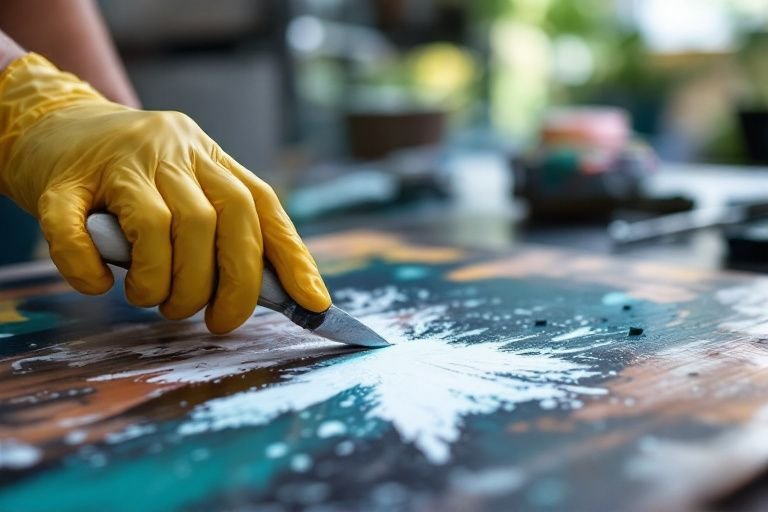
How to Remove Acrylic Paint from Metal: Expert Tips
Are you struggling with stubborn acrylic paint on your metal surfaces? You’re not alone. Many DIY enthusiasts and artists face the challenge of removing unwanted paint without damaging the underlying metal. In this article, we provide you with expert insights and effective methods on how to remove acrylic paint from metal. With over 15 years of experience in home improvement and restoration, we understand the best techniques for preserving your metal items while achieving a clean finish. By the end of this guide, you’ll have a clear understanding of various strategies, from gentle methods for delicate items to more aggressive approaches for tougher situations. Let’s dive in and restore your metal surfaces to their original glory.
Understanding Acrylic Paint on Metal Surfaces
Acrylic paint is a popular choice for various projects due to its quick-drying properties and versatility. However, when it comes to metal surfaces, removing acrylic paint can be challenging. Understanding the adhesion properties of acrylic paint on metal is crucial for effective removal. Acrylic paint adheres well to non-porous surfaces like metal, making it resistant to water and some solvents. This is why special techniques are often required to strip it away without damaging the underlying surface. Knowing the type of metal and the specific paint application method can also influence the removal process.
Types of Metal Surfaces
Different metals react uniquely to paint and removal techniques. For instance, aluminum, steel, and stainless steel each have distinct characteristics. Aluminum is softer and may scratch easily, while stainless steel is more resilient. Understanding these differences can help you choose the right removal technique to avoid damaging the surface.
Adhesion Mechanisms
Acrylic paint bonds to metal through mechanical and chemical adhesion. The paint’s polymer structure creates a strong grip on the metal surface. This adhesion is beneficial for durability but complicates removal. Recognizing how acrylic paint adheres can inform your choice of removal methods to ensure effective paint stripping.
Key Points:
- Acrylic paint adheres strongly to metal surfaces.
- Different metals require tailored approaches for paint removal.
Preparation for Paint Removal
Before attempting to remove acrylic paint from metal, proper preparation is essential. This includes gathering materials and ensuring a safe working environment. Assessing the area where the paint is applied will help you decide on the best methods for removal. Ensuring the safety of both yourself and the metal surface will lead to a more efficient process. Additionally, testing a small area first can prevent potential damage to the metal and inform you about the effectiveness of your chosen method.
Safety Precautions
Always wear protective gear, such as gloves and goggles, when working with paint removal techniques. Some methods may involve chemicals or produce dust, so ensuring proper ventilation is crucial. Prioritizing safety helps prevent injuries and ensures a smooth removal process.
Gathering Necessary Tools
Having the right tools on hand can significantly simplify the removal process. Common tools include scrapers, brushes, or abrasive pads. Additionally, different solvents or removers may be necessary depending on the adhesion strength. Selecting the appropriate tools prepares you for a successful paint removal experience.
Key Points:
- Proper preparation is key to effective paint removal.
- Safety gear is essential to protect against potential hazards.
Understanding Acrylic Paint and Its Bonding with Metal
Acrylic paint is known for its durability and quick-drying properties, which can make it challenging to remove from metal surfaces. The paint adheres tightly due to its polymer structure, especially when cured. Understanding this bonding process is crucial for effective removal. Factors such as the paint’s age, thickness, and the type of metal can influence the removal method you should choose. Always test your removal technique on a small, inconspicuous area first to assess its effectiveness and any potential damage to the metal surface.
Types of Metal and Their Reactivity
Different metals react differently to paint removal methods. For instance, aluminum is softer and can be scratched easily, while stainless steel is more resilient. Knowing the type of metal you’re dealing with can help you choose the right removal technique without causing damage.
Factors Affecting Paint Adhesion
Factors such as humidity, temperature, and the surface texture of the metal can significantly affect how well the paint adheres. Understanding these elements allows you to select the most effective removal method, whether it’s mechanical, chemical, or heat-based.
Key Points:
- Acrylic paint bonds tightly to metal surfaces.
- Different metals require different removal approaches.
💡 Always test in an inconspicuous area before full application.
💡 Consider the type of metal to avoid damage during removal.
Effective Techniques for Acrylic Paint Removal from Metal
There are several effective techniques for removing acrylic paint from metal, each suited to different situations. These methods include mechanical removal, chemical solvents, and heat application. Each technique has its own advantages and considerations, depending on the amount of paint and the sensitivity of the metal surface. Always prioritize safety by wearing protective gear when using chemical solvents or heat methods. Additionally, ensure proper ventilation to avoid inhaling fumes.
Mechanical Removal Methods
Mechanical removal involves using tools like scrapers, sandpaper, or steel wool to physically remove the paint. This method is effective for thicker layers of paint but requires caution to avoid scratching or damaging the metal. Start with a finer grit sandpaper and gradually increase the coarseness if needed.
Chemical Solvents for Efficient Removal
Chemical solvents, such as rubbing alcohol or vinegar, can effectively break down acrylic paint. Apply the solvent generously and allow it to sit for several minutes to penetrate the paint. Use a cloth or scraper to gently lift the paint away, being careful not to damage the underlying metal.
Using Heat for Paint Softening
Applying heat can soften acrylic paint, making it easier to remove. A heat gun or hairdryer can be used to warm the paint gently. Once softened, use a scraper to lift the paint away. Always keep the heat source moving to prevent damage to the metal surface.
Key Points:
- Mechanical, chemical, and heat methods can effectively remove paint.
- Safety precautions are essential when using chemicals or heat.
💡 Use mechanical methods for thick paint layers.
💡 Allow chemical solvents to sit for maximum effectiveness.
💡 Keep heat application controlled to avoid melting the metal.
EXPERT TIPS
Pro Advice
Choose the right removal method based on paint thickness.
Thicker layers may require mechanical removal, while thinner layers can often be lifted easily with solvents or heat.
Always wear protective gear during removal.
Safety goggles and gloves protect you from potential chemical splashes and dust during mechanical scraping.
Work in a well-ventilated area when using solvents.
Proper ventilation minimizes inhalation of harmful fumes, ensuring a safer working environment.
Consider using a combination of methods for best results.
Using heat to soften paint followed by chemical solvents can be highly effective for stubborn layers.
Clean the metal surface thoroughly after paint removal.
Removing any residual solvent or paint ensures a clean surface for repainting or finishing.
Frequently Asked Questions
Conclusion
Removing acrylic paint from metal requires careful techniques to avoid damage. Effective methods include using heat, vinegar, and rubbing alcohol, while ensuring proper ventilation and protective gear. Always test on small areas first and follow up with thorough cleaning for best results.
🎯 Key Takeaways:
- Use heat to soften the paint for easier removal.
- Vinegar and rubbing alcohol are effective solvents.
- Work in a well-ventilated area to avoid fumes.
- Prevent damage by using gentle scraping tools.
- Always wear protective gear during the process.
Expert Advice: Approach paint removal methodically, testing techniques on small areas first. This ensures you achieve the best results while preserving the integrity of the metal surface. Patience and the right methods will lead to successful paint removal.
Now that you have the knowledge, try these methods safely to remove acrylic paint from your metal surfaces with confidence.