
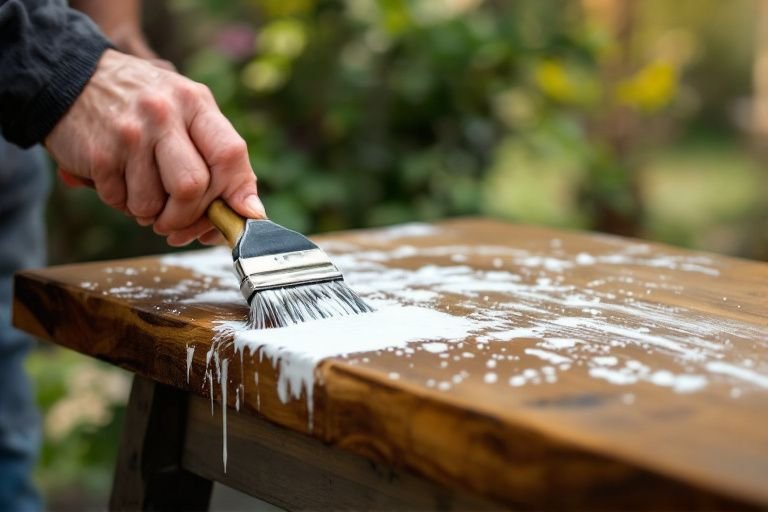
How to Remove Acrylic Paint from Wood: Easy Steps
Are you struggling to get stubborn acrylic paint off your wood surfaces? You’re not alone. Many homeowners face the frustration of trying to restore their wooden furniture or fixtures after a paint mishap. Knowing how to remove acrylic paint from wood can save you time, money, and help preserve the natural beauty of your wood. With over 15 years of experience in home improvement and restoration, I can guide you through the most effective methods for paint removal. In this article, you will learn about various techniques, tools, and tips to successfully eliminate acrylic paint without damaging the underlying wood. Whether you’re tackling a small project or a larger restoration, you’ll find the information you need to achieve a clean finish.
Understanding Acrylic Paint and Its Properties
Acrylic paint is a versatile medium favored for its quick drying time and vibrant colors. However, its adhesion to surfaces, including wood, can make removal challenging. Understanding the properties of acrylic paint is essential for effective removal. As a water-based paint, acrylic can be cleaned up with water while wet, but once dried, it forms a durable bond that resists simple scrubbing. This makes the process of removing acrylic paint from wood more complex, often requiring specific techniques and materials to ensure the wood is not damaged during the removal process.
The Composition of Acrylic Paint
Acrylic paint is composed of pigment suspended in an acrylic polymer emulsion. This composition allows it to adhere strongly to surfaces, including porous materials like wood. Understanding that acrylic paint becomes more resistant as it dries can help you choose the right removal methods, as fresh paint can often be wiped away easily, while dried paint may require solvents or scraping.
Why Removal Can Be Challenging
The challenge of removing acrylic paint from wood stems from its quick drying time and durability. Once cured, acrylic paint can be tough to remove without damaging the underlying wood surface. Additionally, the type of wood and its finish can also influence the removal process. For instance, unfinished wood may absorb solvents differently than finished wood, requiring a tailored approach for effective removal.
Initial Steps for Acrylic Paint Removal
Before attempting to remove acrylic paint from wood, it’s crucial to assess the situation and prepare accordingly. Start by determining whether the paint is wet or dry, as this will dictate your approach. For wet paint, a gentle blotting action with a damp cloth can often lift the paint without spreading it. For dried paint, you may need to consider mechanical methods or chemical solutions. Always test any removal method on a small, inconspicuous area first to avoid damaging the wood surface.
Assessing the Paint Condition
Identify whether the paint is still wet or has dried. If wet, immediate action is key; use a damp cloth to blot the area rather than rubbing, which can spread the paint. For dried paint, examine the thickness and texture, which will determine the best removal method. This assessment is crucial for effective and safe paint removal.
Preparing the Workspace
Creating a suitable workspace is vital for the removal process. Ensure you have adequate ventilation, especially when using solvents. Protect the surrounding area with drop cloths or newspapers to catch any drips or debris. Having the right tools on hand, such as scrapers, cloths, and containers for waste, will streamline the process and minimize frustration during removal.
Understanding Acrylic Paint on Wood
Acrylic paint is a popular choice for wood projects due to its quick drying time and vibrant colors. However, when mistakes happen, knowing how to remove acrylic paint from wood can save your project. Acrylic paint bonds well to surfaces, making it tricky to remove completely without damaging the wood underneath. Understanding the composition of acrylic paint helps you choose the appropriate removal method, whether mechanical or chemical. It is crucial to act quickly, as older paint can be more difficult to remove and may require more aggressive techniques.
Characteristics of Acrylic Paint
Acrylic paint is water-based and consists of pigment suspended in acrylic polymer emulsion. This composition allows it to adhere strongly to wood, creating a durable finish. Understanding these characteristics is vital when selecting removal techniques, as water-based methods are often effective if the paint is still fresh.
Challenges of Removal
Removing acrylic paint from wood can pose challenges, especially if the paint has dried thoroughly. Dried paint can become brittle or hard, making it less amenable to solvents. Additionally, the type of wood can affect the removal process; softer woods may scratch more easily than hardwoods, necessitating a careful approach.
Key Points:
- Acrylic paint bonds strongly to wood surfaces.
- Acting quickly yields better results in paint removal.
💡 Always test a small hidden area first to avoid visible damage.
💡 Use gentle methods first, like water and soap, before resorting to harsher chemicals.
Effective Techniques for Paint Removal
When removing acrylic paint from wood, there are several effective techniques you can employ. The method you choose often depends on the paint’s age and the wood’s finish. Common approaches include mechanical methods, solvents, and natural alternatives. Each has its pros and cons, so understanding these can help you make the best decision for your project. Always wear protective gear and work in a well-ventilated area, especially when using chemicals.
Mechanical Removal Methods
Mechanical removal involves physically scraping or sanding the paint off the wood. Use a plastic scraper to avoid damaging the surface, or fine-grit sandpaper for larger areas. Start gently to assess how the wood responds. Keep in mind that excessive force can damage the wood grain, so patience is key.
Using Solvents for Removal
If mechanical methods fail, solvents such as isopropyl alcohol or vinegar can be effective. Apply the solvent with a cloth and let it sit for a few minutes to soften the paint. Scrub gently with a non-abrasive sponge. Always ensure proper ventilation and test the solvent on a small area first to prevent wood damage.
Natural Alternatives
For those seeking eco-friendly options, natural alternatives like baking soda and vinegar can be effective. Combine baking soda with water to create a paste, apply it to the paint, and let it sit. This method is less harsh on the wood and can be a good starting point for less stubborn paint.
Key Points:
- Mechanical methods are effective but require caution.
- Solvents can help remove stubborn paint but should be used carefully.
💡 Always work in small sections to monitor progress and avoid over-scraping.
💡 Use protective gear like gloves and masks when working with solvents to ensure safety.
💡 Consider the wood finish; some methods may strip the finish along with the paint.
EXPERT TIPS
Pro Advice
Use a heat gun for stubborn paint.
A heat gun can soften acrylic paint, making it easier to scrape off without damaging the wood, but use it at a safe distance to avoid burns.
Keep the wood grain in mind.
Always follow the direction of the wood grain when scraping or sanding to minimize damage and maintain the wood’s appearance.
Consider your wood type.
Different woods react differently to paint removal methods; harder woods may withstand more aggressive techniques while softer woods require gentler approaches.
Be patient with natural methods.
Natural removal techniques may take longer but are often safer for the wood and the environment, making them worth the wait.
Seal the wood after removal.
After successfully removing paint, sealing the wood can protect it from future damage and stains, ensuring its longevity.
Frequently Asked Questions
Conclusion
Removing acrylic paint from wood is manageable with the right techniques. Whether using warm soapy water, a plastic scraper, or a heat gun, it’s essential to act quickly and choose methods that protect the wood. Testing on inconspicuous areas can save your wood’s finish.
🎯 Key Takeaways:
- Act quickly to remove fresh acrylic paint for easy cleanup.
- Use gentle tools like plastic scrapers to avoid damaging wood.
- Heat guns can soften paint but must be used carefully.
- Always test removal methods on hidden areas first.
Expert Advice: Approach paint removal with patience and care. Understanding different techniques will help you choose the best method for your specific situation and preserve the integrity of your wood surface.
Now that you know how to remove acrylic paint from wood, assess your situation and decide on the best method to use. Happy painting!