
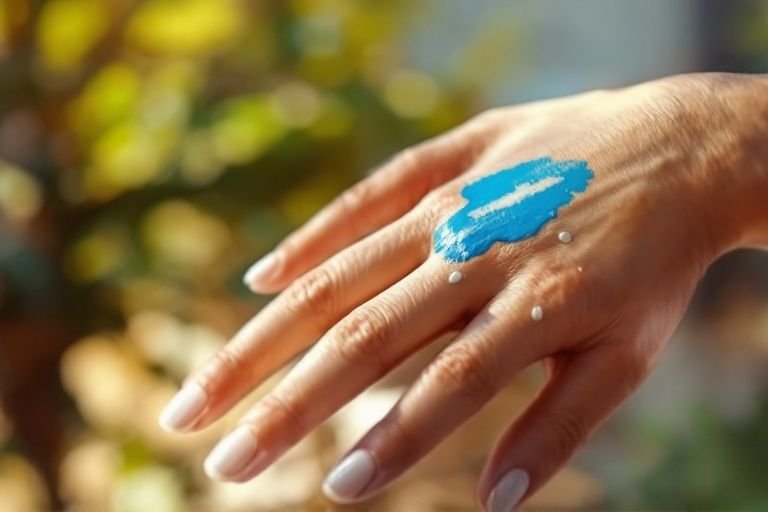
How to Remove Acrylic Paint from Skin: Proven Methods
Have you ever finished an art project only to find your skin covered in stubborn acrylic paint? You’re not alone! Many artists face this common dilemma, and knowing how to remove acrylic paint from skin safely and effectively is essential. With over 15 years of experience in art and skin care, I’ll guide you through proven methods to eliminate paint, ensuring your skin remains healthy and irritation-free. In this article, you’ll learn about various techniques, including household remedies and skin-friendly products, as well as tips to prevent paint from sticking in the first place. Say goodbye to messy hands and hello to clean skin!
Understanding Acrylic Paint and Its Properties
Acrylic paint is a popular medium for artists due to its fast-drying properties and vibrant colors. Composed of pigment suspended in acrylic polymer emulsion, it forms a strong bond with surfaces, which can complicate removal from skin. Knowing the characteristics of acrylic paint helps in understanding how to effectively remove it. Unlike oil-based paints, acrylics are water-based, which means they can often be removed more easily when wet. However, once dried, they become more challenging to eliminate without the right techniques.
Chemical Composition of Acrylic Paint
Acrylic paint consists of pigments and an acrylic polymer binder. The binder is what makes the paint adhere strongly to surfaces, including skin. Understanding this composition can inform the best methods for removal, emphasizing the use of water and soap when the paint is still wet.
Why Acrylic Paint Sticks to Skin
The stickiness of acrylic paint is due to its polymer structure which clings to skin cells. Once it dries, the paint forms a durable layer that can be resistant to simple washing. This is why immediate action is crucial for effective removal.
Key Points:
- Acrylic paint is water-based and easier to remove when wet
- Understanding its composition aids in selecting the right removal method
Immediate Actions for Paint Removal
When dealing with acrylic paint on skin, acting quickly is essential. The sooner you address the paint, the easier it will be to remove. First, rinse the affected area with warm water to loosen the paint. Use soap to help break down the paint’s polymer structure. If the paint has dried, different techniques may be necessary to avoid damaging the skin. Keeping the skin hydrated and moisturized post-removal is also important to prevent irritation.
Rinsing and Soaping Up
Start by rinsing the skin under warm water. This will help to soften and loosen the paint. Follow this with a mild soap, which will help to break down the paint. Gently scrub the area with your fingers or a soft cloth to avoid irritation.
Dealing with Dried Paint
If the paint has dried, consider using a gentle exfoliating scrub or a mixture of oil and soap to help lift the paint from the skin. Always test on a small area first to ensure there’s no adverse reaction, and remember to moisturize afterward.
Key Points:
- Immediate rinsing and soaping is crucial for effective removal
- Gentle exfoliation can help with dried paint without damaging skin
Understanding Acrylic Paint and Its Composition
Acrylic paint is a water-based medium that dries quickly and forms a durable film on various surfaces, including skin. While its fast-drying properties make it appealing for artists, they can also make removal challenging. Understanding the components of acrylic paint—pigments, resins, and additives—can help in selecting the most effective removal method. Generally, acrylics can be cleaned with soap and water when wet, but once dried, they require more effort. Knowing how to approach both wet and dry paint will simplify the cleaning process.
Characteristics of Acrylic Paint
Acrylic paint consists of pigment suspended in an acrylic polymer emulsion. This composition allows it to adhere strongly to surfaces, including skin. When wet, the paint is soluble in water, making it easier to wipe off. However, as it dries, the polymers form a resilient film that can be more difficult to remove without the right techniques.
Why Timing Matters
The removal of acrylic paint is most effective when done promptly. If the paint has dried, it becomes more challenging to remove. It’s critical to act quickly, as the longer the paint remains on the skin, the more it bonds to the surface, increasing the difficulty of removal.
Key Points:
- Acrylic paint dries quickly and forms a strong bond with skin.
- Acting fast is crucial for easy removal.
💡 Always try to remove acrylic paint while it’s still wet for the easiest cleanup.
💡 Use warm water with mild soap to help dissolve the paint more effectively.
Effective Techniques for Removing Acrylic Paint
Removing acrylic paint from skin requires specific techniques depending on whether the paint is wet or dry. For wet paint, using water and soap is usually sufficient. For dried paint, more intensive methods like scrubbing with oil or using a combination of solvents may be necessary. Understanding these methods ensures that you can safely and effectively clean your skin without causing irritation.
Removing Wet Acrylic Paint
For wet acrylic paint, the best approach is to quickly wash the affected area with warm water and a gentle soap. Using your hands or a soft cloth, gently scrub the paint away. Rinse thoroughly to ensure all residue is removed. This method is quick and minimizes irritation, as it uses gentle cleaning agents.
Dealing with Dried Acrylic Paint
If the acrylic paint has dried, you may need to use a combination of oil (like olive or coconut oil) and a soft cloth to gently scrub the area. The oil helps to break down the paint while moisturizing the skin. In more stubborn cases, applying a small amount of rubbing alcohol can help, but be cautious as it may cause skin irritation.
Key Points:
- Wet paint can be easily removed with soap and water.
- Dried paint requires more aggressive techniques like using oils or solvents.
💡 Use a soft cloth or sponge to avoid irritating the skin during scrubbing.
💡 Test any solvent on a small area of skin first to check for sensitivity.
EXPERT TIPS Pro Advice
Prevention is Key
Wear protective clothing and gloves while painting to minimize skin exposure to acrylic paint. This can save you time and effort in clean-up.
Moisturize After Removal
Always apply moisturizer after removing paint to hydrate your skin, preventing dryness or irritation caused by cleaning agents.
Use Gentle Pressure
When scrubbing to remove paint, use gentle pressure to avoid damaging the skin. Harsh scrubbing can lead to irritation and redness.
Stay Calm During Removal
Rushing the removal process can lead to panic and mistakes. Take your time, especially with dried paint, to avoid skin damage.
Frequently Asked Questions
Conclusion
Removing acrylic paint from skin can be straightforward with the right methods. Warm soapy water, rubbing alcohol, and oils can effectively assist in loosening the paint. Preventative measures, like gloves or barrier creams, can also save you from the hassle of cleanup.
🎯 Key Takeaways:
- Warm soapy water is effective for fresh paint.
- Rubbing alcohol is useful for stubborn spots.
- Oils can help dissolve dried paint.
- Prevention is key; use gloves or barrier creams.
Expert Advice: Always be gentle when scrubbing your skin to avoid irritation. If irritation occurs, stop the removal process and seek medical advice if necessary.
Experiment with these techniques the next time you find yourself with paint on your skin, and enjoy your creative endeavors!