
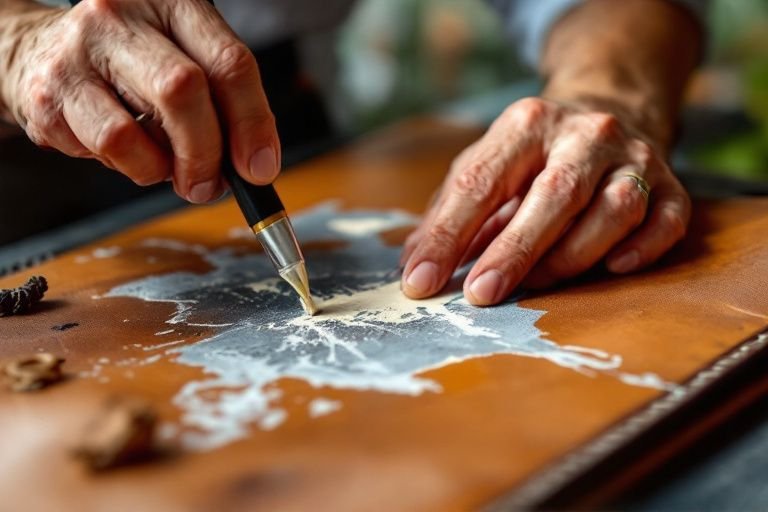
How to Remove Acrylic Paint from Leather: Step-by-Step Guide
Have you accidentally spilled acrylic paint on your favorite leather item? You’re not alone. Many people face this frustrating situation, and knowing how to remove acrylic paint from leather can save your beloved pieces from permanent damage. With over 15 years of experience in leather care and restoration, we understand the nuances of working with this delicate material. In this article, we will share expert advice, practical techniques, and essential tips to help you effectively remove acrylic paint without harming the leather. Whether you’re dealing with a small spot or a larger stain, we’ve got you covered with step-by-step instructions that make the process manageable and successful.
Understanding Acrylic Paint and Leather
Acrylic paint is a versatile medium that adheres well to various surfaces, including leather. However, its durability can make removal challenging. Leather, being a porous and delicate material, requires careful handling to avoid damage. Knowing the properties of both acrylic paint and leather is vital for effective removal. Acrylic paint is water-based, which means that with the right approach, it can often be dissolved and lifted away from leather surfaces. Understanding the type of leather you are dealing with—whether it’s finished, unfinished, or treated—will also influence the removal process. Improper techniques can lead to discoloration, cracking, or other permanent damage to the leather item.
Types of Leather
Leather comes in various types, including full-grain, top-grain, suede, and bonded leather. Each type has its own characteristics and reactions to cleaning agents. For instance, suede is more absorbent and can be more challenging to clean than finished leather. Identifying the type of leather will help you choose the most appropriate removal method and prevent any adverse effects that might worsen the stain.
Properties of Acrylic Paint
Acrylic paint is known for its fast-drying properties and flexibility once cured. It forms a strong bond with surfaces, which can complicate removal. However, being water-based means that it can often be softened or dissolved with the right techniques. Understanding these properties helps in selecting the correct approach for effective removal, ensuring you minimize potential damage to your leather item.
Key Points:
- Acrylic paint is durable and adheres strongly to leather, making removal challenging.
- Identify the type of leather to choose the appropriate cleaning method.
Initial Steps for Removing Acrylic Paint
Before attempting to remove acrylic paint from leather, it’s crucial to act quickly. The sooner you address the stain, the higher the chances of successful removal. Start by gently scraping off as much paint as possible using a dull knife or a credit card. Be careful not to damage the leather surface. Follow this by dabbing the area with a clean cloth to absorb any excess paint. It’s important to avoid rubbing, as this can spread the paint and worsen the stain. After the initial removal, you can explore various methods to completely eliminate the paint without harming the leather.
Gather Necessary Tools
Before starting the removal process, gather necessary tools such as a soft cloth, a dull scraping tool, and water. Having a bowl of warm water can be beneficial for diluting the paint and cleaning the area afterward. Ensure that any cloths used are clean and soft to prevent scratching the leather surface during the removal process.
Test on an Inconspicuous Area
Always test your removal method on a small, inconspicuous area of the leather first. This helps you assess how the leather reacts to the cleaning method without risking visible damage. If no adverse effects occur, you can proceed with confidence to treat the stained area.
Key Points:
- Act quickly to address acrylic paint stains for better removal results.
- Always test cleaning methods on a small, hidden area of the leather.
Understanding Acrylic Paint on Leather
Acrylic paint can cause significant damage to leather if not addressed promptly. It adheres strongly, making removal challenging. Understanding how acrylic interacts with leather is crucial for effective removal. The paint’s composition includes polymers that bond to the leather surface, creating a durable film. When attempting to remove it, consider factors such as the type of leather and the paint’s age. Fresh paint may be easier to remove than dried paint, which often requires more intensive methods. Always test any removal technique on a hidden area first to ensure it won’t damage the leather further.
Types of Leather
Different types of leather respond variably to paint removal techniques. For instance, smooth leather is generally easier to clean than suede or nubuck, which are more porous and can absorb paint. Understanding the specific type of leather you are dealing with will guide your approach, as certain methods may be too harsh for delicate materials.
Age of the Paint
The age of the acrylic paint directly affects the removal process. Fresh paint, which hasn’t yet set, can often be wiped away with a damp cloth. However, dried paint forms a tougher layer that may require more aggressive methods, such as solvents or scraping. Assess the paint’s condition before proceeding.
Key Points:
- Acrylic paint bonds strongly to leather, requiring careful removal.
- Different leather types may require different techniques for effective cleaning.
💡 Always test removal methods on a hidden area first to prevent visible damage.
💡 Use gentle, circular motions when applying any cleaning solution to minimize the risk of scratching the leather.
Effective Techniques for Removal
To effectively remove acrylic paint from leather, several techniques can be employed, depending on the paint’s age and the leather type. Start with the least invasive methods, such as using water and mild soap, before progressing to stronger solutions if necessary. For dried paint, consider using rubbing alcohol or a small amount of vinegar; however, always ensure that the solution is compatible with the leather type. After applying any cleaning method, rinse thoroughly and condition the leather to restore moisture and suppleness.
Water and Mild Soap
Begin with a mixture of warm water and a few drops of mild soap. Dampen a soft cloth and gently rub the paint spot. This method works best on fresh paint and helps avoid damaging the leather while removing some of the paint without harsh chemicals.
Using Rubbing Alcohol
For older, dried paint, rubbing alcohol can be effective. Apply a small amount to a cotton ball and dab it on the paint. Allow it to sit briefly, then gently wipe. This method may loosen the paint, allowing for easier removal, but should be tested first to ensure it does not harm the leather.
Condition the Leather Post-Removal
After removing the paint, it’s essential to condition the leather. Use a leather conditioner to restore moisture and prevent cracking. This step ensures that the leather remains supple and maintains its aesthetic appeal after the cleaning process.
Key Points:
- Start with gentle cleaning methods before advancing to stronger solvents.
- Conditioning leather after cleaning is crucial for maintaining its integrity.
💡 Always use a soft cloth to prevent scratching the leather during cleaning.
💡 Avoid excessive moisture, as it can warp or damage leather over time.
EXPERT TIPS Pro Advice
Work in a well-ventilated area
Using solvents like rubbing alcohol can release fumes; good ventilation helps avoid inhalation of harmful vapors during the cleaning process.
Be patient and persistent
Removing acrylic paint can take time, especially with older stains. Patience ensures you don’t rush and potentially damage the leather.
Consult a professional for valuable advice
If unsure about your cleaning methods, consulting a leather care professional can provide insights tailored to your specific leather type.
Frequently Asked Questions
Conclusion
Removing acrylic paint from leather requires careful handling and the right techniques. Start by scraping away excess paint, followed by using appropriate cleaning solutions like rubbing alcohol or diluted vinegar. Always test solutions on hidden areas to prevent damage, ensuring your leather remains intact.
🎯 Key Takeaways:
- Act quickly to prevent paint from drying and bonding.
- Always test cleaning solutions on inconspicuous areas first.
- Avoid using heat to remove acrylic paint from leather.
- Use soft cloths and gentle methods to minimize damage.
Expert Advice: Approach paint removal from leather with patience and care to maintain its quality. If unsure, consult with a professional cleaner to avoid potential damage.
Take the first step by assessing the paint stain and preparing your cleaning materials before attempting to remove acrylic paint from your leather items.