
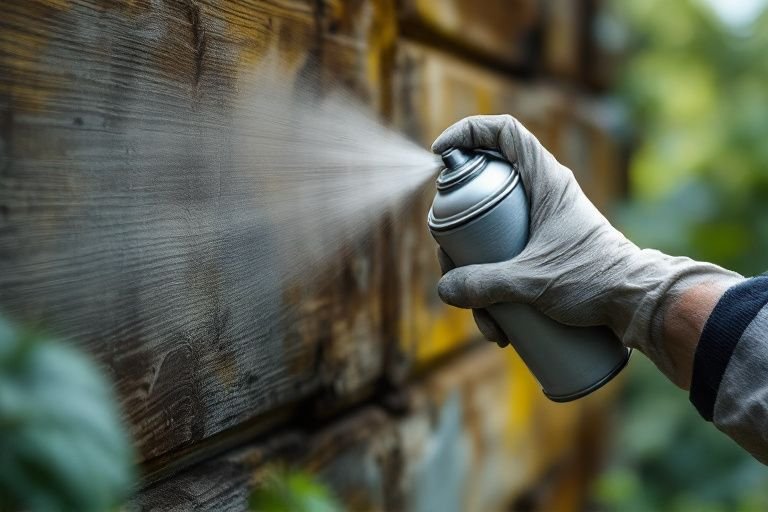
How Long Does Spray Paint Primer Take to Dry? Find Out!
Have you ever found yourself waiting impatiently for spray paint primer to dry, only to wonder if you’re doing it right? Understanding how long spray paint primer takes to dry is crucial for achieving a smooth, professional finish. As an experienced painter, I’ve seen the impact of drying times on project outcomes. In this article, you’ll learn about the typical drying times for spray paint primer, the factors that influence these times, and tips to expedite the process for the best results. Whether you’re a DIY enthusiast or a seasoned professional, this comprehensive guide will ensure your next painting project goes smoothly.
Understanding Spray Paint Primer
Spray paint primer is an essential base coat that prepares surfaces for paint application, enhancing adhesion and finish durability. Its drying time can vary significantly based on several factors, including the type of primer used, environmental conditions, and the surface being primed. Awareness of these variables is crucial for achieving optimal results. The drying time can range from a few minutes to several hours, depending on the specific conditions present during application. By understanding these aspects, you can better plan your painting projects and achieve a professional finish.
Types of Spray Paint Primers
Different types of spray paint primers are available, including oil-based, water-based, and shellac-based primers. Oil-based primers typically take longer to dry, often requiring several hours. In contrast, water-based primers dry more quickly, sometimes in as little as 30 minutes. Knowing the type of primer will help you estimate drying time accurately.
Factors Affecting Drying Time
Several factors can influence the drying time of spray paint primer, including temperature, humidity, and airflow. Higher temperatures can speed up drying, while high humidity levels may prolong it. Adequate ventilation also plays a role; good airflow helps the primer dry faster. Assessing these conditions can aid in scheduling your project effectively.
Key Points:
- Understanding primer types is essential for drying time estimation
- Environmental conditions significantly impact drying duration
Typical Drying Times for Spray Paint Primer
While the drying time for spray paint primer can differ, there are general guidelines to follow. Most water-based primers dry to the touch in about 20-30 minutes, making them suitable for quick projects. Oil-based primers, however, may take 1-2 hours to become dry to the touch, with full cure times extending up to 24 hours. Knowing these timelines helps in planning subsequent painting steps effectively, ensuring that the primer is adequately set before applying the topcoat.
Touch Dry vs. Fully Cured
It’s essential to distinguish between ‘touch dry’ and ‘fully cured’ when considering drying times. Touch dry means the surface is dry enough to touch without leaving fingerprints, while fully cured indicates that the primer has achieved its maximum hardness and adhesion. For best results, wait for the primer to fully cure before applying additional coats of paint.
Testing Dryness
To test if the primer is dry enough for further coats, lightly touch an inconspicuous area with your finger. If it feels tacky or sticky, it needs more time. Alternatively, you can use a moisture meter for a more accurate assessment, especially in humid conditions, to ensure optimal results in your painting project.
Key Points:
- Be aware of the difference between touch dry and fully cured
- Testing dryness can prevent painting mistakes
Understanding Spray Paint Primer Drying Times
The drying time for spray paint primer varies based on several factors, including the type of primer, environmental conditions, and the surface being primed. Typically, most spray paint primers dry to the touch within 20 to 30 minutes. However, achieving a fully cured state can take anywhere from 1 to 24 hours. Always check the manufacturer’s guidelines for specific drying times, as they can provide valuable insight into optimal conditions and times needed for different applications.
Factors Affecting Drying Time
Temperature, humidity, and air circulation play significant roles in how quickly spray paint primer dries. Higher temperatures and lower humidity levels generally speed up drying times. Conversely, high humidity can cause extended drying periods, as moisture in the air affects evaporation. Ensuring good air circulation can also help facilitate quicker drying.
Types of Primers and Their Drying Times
There are various types of spray paint primers, including oil-based, water-based, and shellac primers. Oil-based primers typically take longer to dry, often requiring up to 24 hours for curing, while water-based primers dry faster, usually within an hour. Understanding which type you are using can help you plan your project timeline effectively.
💡 Always check the label for specific drying times
💡 Consider environmental conditions before starting your project
Maximizing Efficiency During the Drying Process
To enhance the drying process of spray paint primer, consider your workspace setup and application technique. Proper preparation and application can significantly reduce the time you spend waiting between coats. Additionally, using a heat source or fan can accelerate drying, but be cautious to avoid overheating the surface, which may lead to uneven finishes.
Preparation Techniques
Before applying primer, clean the surface thoroughly to remove dust or grease. A well-prepared surface allows for better adhesion and quicker drying. Sanding the surface lightly can also promote better bonding, which can influence drying times positively.
Application Strategies
Applying primer in thin, even coats can help achieve faster drying times. Thick coats take longer to dry and may lead to drips or uneven surfaces. Aim for multiple thin layers instead of one thick layer, allowing adequate drying time between coats as specified by the primer instructions.
💡 Use a fan to improve air circulation
💡 Apply in thin coats for quicker drying
EXPERT TIPS Pro Advice
Monitor environmental conditions
Keeping an eye on temperature and humidity can help you adjust your drying expectations and project timelines.
Use a moisture meter
A moisture meter can help gauge the humidity levels in your workspace, allowing for adjustments that can speed up drying time.
Invest in a drying accelerator
Using a drying accelerator can help speed up the curing process, especially in high-humidity environments.
Plan for adequate ventilation
Ensuring proper ventilation not only speeds up the drying process but also helps reduce the risk of inhaling harmful fumes.
Keep primer can at room temperature
Storing your primer can at room temperature before use can help it spray more evenly and dry faster.
Frequently Asked Questions
Conclusion
Understanding the drying time of spray paint primer is essential for achieving a flawless finish. Factors like temperature and humidity play a significant role, so consider these when planning your project. Proper ventilation and application techniques can further optimize drying times.
🎯 Key Takeaways:
- Spray paint primer dries in 30 minutes to 1 hour, but full curing takes longer.
- Environmental factors significantly affect drying time.
- Wait until the primer is fully dry before applying additional coats.
- Sanding between coats improves adhesion and finish quality.
Expert Advice: Monitor environmental conditions to ensure optimal drying and consider applying thinner coats for faster results. Remember, patience is key to a successful paint job.
Plan your painting project wisely, and take the time to understand the drying processes for the best results.