
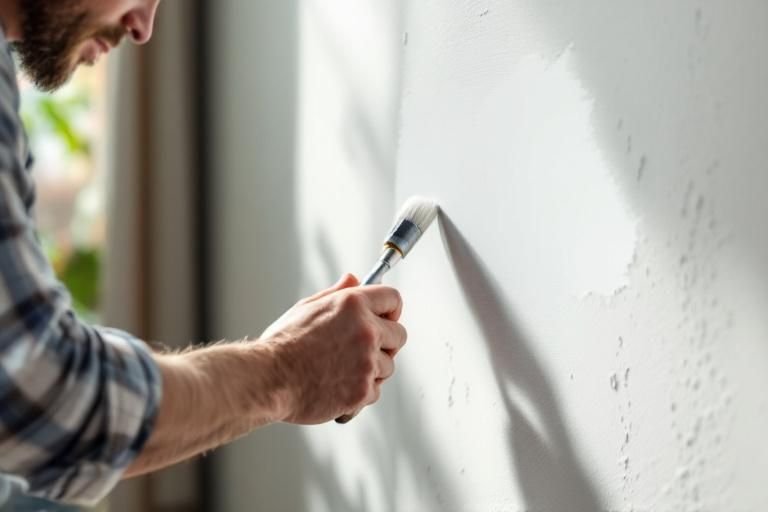
How Soon After Primer Can I Paint? Expert Tips Inside
Have you ever wondered, how soon after primer can I paint? The timing between applying primer and paint can significantly impact the finish and durability of your project. As a seasoned expert in painting techniques and surface preparation, I understand the importance of getting this step right. In this article, you’ll learn about the drying times for different types of primers, factors affecting the waiting period, and best practices for ensuring a successful paint application. Let’s dive in and ensure your painting project achieves a flawless finish!
Understanding Primer and Its Role in Painting
Primer serves as a preparatory layer that enhances paint adhesion, improves durability, and provides a uniform surface for subsequent paint layers. It is essential to understand the function of primer to determine the timing for painting. Drying times vary based on the type of primer, environmental conditions, and the surface being primed. Typically, primers can be classified into oil-based and water-based categories, each with distinct drying characteristics that influence how soon you can paint over them.
Types of Primer
There are primarily two types of primers: oil-based and water-based. Oil-based primers generally take longer to dry, often requiring 24 hours before painting. Water-based primers, on the other hand, can be painted over in as little as 1 to 2 hours, depending on environmental factors.
Environmental Factors
Temperature and humidity play significant roles in how quickly primer dries. Warmer temperatures and lower humidity levels facilitate faster drying. Conversely, high humidity or cold temperatures can extend drying times, making it crucial to consider these conditions before painting.
Key Points:
- Understand the type of primer you are using.
- Consider environmental factors that may affect drying time.
💡 Check the manufacturer’s instructions for specific drying times based on the primer used.
General Guidelines for Painting After Primer
When planning to paint after applying primer, it’s essential to follow general guidelines to ensure optimal results. The timing for painting after primer can vary, but there are key indicators to determine when it is safe to proceed. One important aspect is the visual and tactile cues from the primer’s surface. A well-dried primer will feel dry to the touch and may appear slightly less glossy than when first applied. Avoid rushing the process to achieve the best adhesion and finish.
Visual Indicators of Dryness
Look for a uniform appearance in your primer. If it appears shinier or has uneven spots, it may still be wet. A consistent matte finish is a good sign that the primer is ready for paint.
Touch Test for Primer Dryness
Gently touch a small, inconspicuous area of the primed surface. If it feels dry and does not leave any residue on your fingers, it’s generally safe to begin painting. However, always refer to specific drying times for the primer you have used.
Key Points:
- Observe visual indicators for readiness.
- Use touch tests to confirm drying status.
💡 Wait longer in humid conditions to ensure complete dryness before painting.
Understanding Primer Drying Times
The drying time of primer is essential before applying paint, as it ensures proper adhesion and a smooth finish. Generally, most primers will dry to the touch in about 30 minutes to 1 hour, but this does not mean they are ready for painting. Curing times can vary based on the type of primer used, humidity, and temperature. For optimal results, it’s crucial to allow the primer to cure fully, which can take anywhere from 1 to 24 hours. Always refer to the manufacturer’s instructions for specific guidance on drying times.
Factors Affecting Drying Time
Several environmental factors influence how soon you can paint after applying primer. Temperature is crucial; warmer conditions speed up drying, while cooler temperatures can prolong it. Humidity levels also play a role; high humidity can slow the drying process. Always check the weather conditions before starting your painting project to ensure optimal drying times.
Types of Primer and Their Curing Times
Different types of primer have varied drying and curing times. Oil-based primers typically require a longer drying period, often 24 hours, before applying paint. Conversely, water-based primers usually dry quicker, sometimes allowing paint application after just 1 hour. Knowing the type of primer you are using can help you plan your painting schedule effectively.
Key Points:
- Drying times vary based on primer type and environmental conditions.
- Always refer to manufacturer instructions for the best results.
💡 Always conduct a touch test to check if the primer is fully dry. This ensures that the surface is ready for paint application.
💡 Consider using a fan or dehumidifier in humid conditions to speed up primer drying time.
💡 Avoid painting in direct sunlight, as it can cause the primer to dry too quickly and may lead to adhesion issues.
Preparing for Painting After Primer Application
Once the primer has dried adequately, the next step is preparation for painting. Proper preparation is crucial to ensure a flawless finish. Before applying paint, inspect the primed surface for imperfections, ensuring it is clean and smooth. Lightly sanding the primer can provide better adhesion for the paint. Additionally, a clean, lint-free cloth should be used to wipe away any dust or debris that may have settled during the drying period.
Sanding the Primed Surface
Sanding the primer after it has dried can create a better surface for paint adhesion. Use fine-grit sandpaper to lightly sand the surface, removing any imperfections or raised fibers. This step can significantly enhance the final appearance of the paint job by ensuring a smoother application.
Dust and Debris Removal
Before painting, it’s essential to remove any dust or debris from the primed surface. Use a vacuum or a damp cloth to wipe down the area thoroughly. This step prevents particles from getting trapped in the paint, which can lead to a rough finish and necessitate additional sanding or touch-ups later.
Key Points:
- Proper preparation of the primed surface is key to a successful paint application.
- Sanding and cleaning can prevent future issues with paint adhesion and finish quality.
💡 Always sand with the grain of the wood to avoid scratches that could show through the paint.
💡 Use a tack cloth after sanding to ensure all dust is removed before painting.
💡 Consider applying a second coat of primer if the first layer appears uneven or if you’re switching to a different paint finish.
EXPERT TIPS Pro Advice
Monitor the weather conditions closely.
High humidity or low temperatures can extend drying times significantly. Planning your painting schedule around favorable conditions can save time and improve results.
Perform a test patch.
Before committing to paint the entire surface, try a small patch to ensure the primer has dried properly and that the paint adheres well.
Use the right tools for sanding.
Investing in high-quality sanding tools can make a significant difference in achieving a smooth finish, reducing the need for extensive touch-ups later.
Stay patient and don’t rush the process.
Rushing to paint before the primer is fully cured can lead to adhesion problems, causing the paint to peel or blister over time.
Frequently Asked Questions
Conclusion
Understanding the timing and conditions for painting after applying primer is crucial for achieving a high-quality finish. Always consider drying times, environmental factors, and the type of primer used. Proper preparation ensures the longevity and appearance of your paint job.
🎯 Key Takeaways:
- Wait 1 to 4 hours after primer before painting.
- Humidity and temperature affect drying time.
- Feeling dry doesn’t guarantee it’s ready for paint.
- Consider a second coat of primer for better coverage.
- Painting too soon can lead to poor adhesion.
Expert Advice: Always follow the manufacturer’s recommendations for drying times and surface preparation. Taking the time to ensure proper conditions will result in a superior finish and longer-lasting paint job.
Evaluate your painting project and make sure you’re prepared for the best results.