
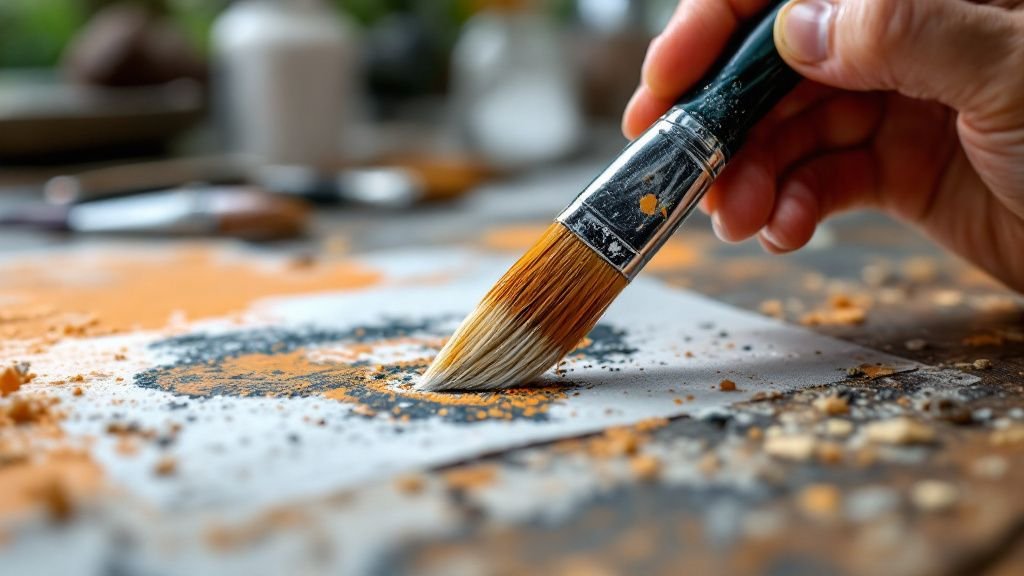
How to Remove Dried Acrylic Paint From Brushes Safely
Finding a paintbrush stiff with a hard, colorful crust can feel like a lost cause—but it may still be possible to save it. Knowing how to remove dried acrylic paint from brushes starts with understanding that acrylic forms a water-resistant film as it dries, so rinsing alone usually will not work. The safest approach is gradual: soften the paint, work it free from the bristles, then rinse and reshape the brush without pulling or crushing its hairs. This guide explains how to judge whether a brush is salvageable, loosen dried paint with careful soaking and gentle movement, and clean near the ferrule, where residue often hides. You’ll also learn when to stop, how to dry and store a restored brush, and what habits help prevent acrylic from hardening between painting sessions. The right technique depends on how long the paint has been dry and the brush’s material, so patience matters more than force. Follow the steps below to reduce damage and give usable brushes the best chance of recovery.
Understand What Dried Acrylic Paint Does to a Brush
Acrylic paint is water-based while wet, but it forms a flexible plastic-like film as it dries. Once that film hardens around the bristles, rinsing alone usually cannot remove it. The likelihood of recovery depends on how long the paint has dried, how deeply it has reached the bristle bundle, and whether the brush has natural or synthetic fibers. Paint near the tips may be easier to loosen than paint packed close to the metal ferrule, where it can lock bristles together. Before attempting cleanup, inspect the brush in good light. Check whether the bristles still bend, whether the bundle spreads apart, and whether paint has dried inside the ferrule. If the brush is severely stiff or the bristles are permanently distorted, complete restoration may not be possible. Avoid pulling or scraping aggressively: that can break fibers or loosen the ferrule. A careful, gradual attempt is safer than forceful removal, and even a partly recovered brush may be suitable only for rough work.
Why Dried Acrylic Is Difficult to Remove
As acrylic dries, water evaporates and the remaining binder holds pigment in a solid film. Water can soften residue on the surface, but it generally will not dissolve paint that has fully cured between bristles. This is why soaking may help loosen some deposits without returning a brush to its original condition. Paint trapped at the base is especially difficult to reach and can keep the bristles clumped even after the outer layer feels cleaner.
Assess the Brush Before You Start
Gently flex the bristles and look for hardened paint, permanent bends, or a loose ferrule. If only the tips are stiff, there may be a reasonable chance of recovery. If the entire bundle is rigid or paint has formed a solid mass at the ferrule, expect limited results. Note the bristle type, too: delicate natural fibers can be damaged by prolonged soaking or vigorous rubbing, while synthetic fibers may tolerate gentle handling better.
Key Points:
- Fully dried acrylic forms a film that water alone usually cannot remove.
- Recovery depends on how deeply the paint has dried and the brush’s condition.
💡 Test a small, less visible area first; this helps reveal whether the paint is loosening before you risk damaging the full bristle bundle.
Loosen and Remove Paint Gradually
Work over a protected surface and keep the brush pointed away from your face. Begin by flexing the bristles gently under lukewarm running water, directing the flow from the ferrule toward the tips rather than pushing paint deeper into the bundle. Use your fingers to separate the bristles gradually; do not yank, twist, or crush them. If the paint begins to soften, continue patiently and rinse away released residue before working on the next area. For paint that remains, use a mild soap and massage it through the bristles with light strokes, then rinse thoroughly. Repeat short cleaning cycles instead of leaving the brush submerged for a long time. Keep water away from the handle joint where possible, since prolonged soaking can loosen the ferrule or damage a wooden handle. Stop if fibers begin shedding or the bundle deforms. After cleaning, reshape the bristles and let the brush dry horizontally or with its head angled downward.
Use a Gentle, Step-by-Step Method
First, wet the bristles with lukewarm water and gently work them apart with your fingers. Rinse from the base toward the tips so loosened paint moves out rather than farther into the brush. Apply a small amount of mild soap, massage in the direction of the bristles, and rinse. Repeat brief cycles as needed. Avoid sharp tools, hard scraping, and forceful pulling, which can split fibers or detach them from the ferrule.
Know When to Stop and How to Dry
Stop if the bristles remain rigid after several gentle cycles, or if they start shedding, fraying, or losing their shape. More force is unlikely to restore a brush when paint has cured deeply and may cause additional damage. Once residue is removed, rinse until the water runs clear, reshape the bundle with your fingers, and remove excess water by blotting. Dry the brush flat or bristles-down, not standing upright in water.
Key Points:
- Gentle flexing, rinsing, and soap may loosen residue without guaranteeing full restoration.
- Avoid prolonged soaking, aggressive scraping, and drying the brush upright in water.
💡 Use short cleaning cycles and inspect the brush between them; this limits unnecessary soaking and makes damage easier to notice early.
Assess the Brush Before Trying to Remove Paint
Start by identifying where the paint has hardened and whether the brush is worth restoring. Acrylic paint dries into a water-resistant polymer film, so soaking in water alone usually will not remove paint that has fully cured. Check the bristles, the area around the ferrule (the metal band), and the handle. Paint packed near the ferrule can spread the bristles and permanently distort their shape. If the handle is cracked, the ferrule is loose, or the bristles are already brittle, aggressive cleaning may do more harm than good. Use gloves, protect the work surface, and provide ventilation before using any solvent. Avoid mixing cleaning chemicals, and keep solvents away from flames. Work from the least aggressive method to the stronger options, checking the brush frequently rather than leaving it unattended. This cautious assessment helps preserve usable bristles and prevents damage to the brush’s adhesive, finish, or shape.
Tell Wet Paint from Cured Paint
If paint still feels tacky or flexible, warm water and mild soap may loosen it. Fully dried paint feels firm and forms a continuous coating; it generally needs careful softening before it can be removed. Test a small area first. Do not pull or bend bristles sharply to check for paint, since dried acrylic can snap hairs or loosen them from the ferrule.
Decide Whether Restoration Is Practical
A brush with paint limited to the outer bristles is more likely to recover than one with a solid plug extending deep into the ferrule. Synthetic bristles often tolerate careful solvent treatment better than delicate natural hair, but construction varies. If the brush is inexpensive, badly misshapen, or shedding, replacement may be safer and more effective than extended soaking.
Key Points:
- Water alone rarely removes fully cured acrylic paint.
- Inspect the ferrule and bristles before choosing a cleaning method.
💡 Photograph or note the brush’s original shape before cleaning; it gives you a useful reference when reshaping the bristles.
Soften Dried Acrylic Paint with Controlled Soaking
For a brush that appears salvageable, begin with a short, controlled soak in warm—not hot—soapy water. Keep the handle and ferrule as dry as practical, because prolonged immersion can weaken the adhesive that holds bristles in place and damage wooden handles. After a few minutes, gently work the bristles between your fingers or use a blunt tool to tease softened paint away, moving from the tip toward the ferrule. Never yank out a clump or scrape with a sharp blade. If little changes, stop and consider a suitable solvent rather than extending the soak indefinitely. When using a solvent, read its safety directions, ventilate the area, and test briefly on a small section of bristles. Keep the brush immersed only as long as needed to soften the coating. Rinse thoroughly with soap and water afterward, then inspect the brush. Repeat short treatments only if the bristles remain flexible and the ferrule is secure.
Use Short Soaks, Not Overnight Immersion
Place only the bristles in the cleaning liquid, keeping the ferrule above the liquid where possible. Check the brush frequently and gently flex the bristles to see whether paint is loosening. Long soaking can swell a wooden handle, corrode metal, or soften the adhesive inside the ferrule, leaving a brush that sheds even after the paint is gone.
Choose a Solvent Carefully
A small amount of an appropriate solvent, such as isopropyl alcohol, may soften cured acrylic, but it can also affect bristles, coatings, and adhesives. Follow the solvent’s label, use ventilation and gloves, and test a brief exposure first. Do not combine solvents or use them near heat or flame. Rinse the brush well when treatment is complete.
Key Points:
- Keep soaking brief and focused on the bristles.
- Use solvents cautiously, following their safety directions.
💡 Set a timer for every soak and inspect the brush at short intervals; this limits unnecessary exposure that can damage the ferrule adhesive.
Remove Loosened Paint Without Damaging the Bristles
Once the paint has softened, removal should be gradual. Hold the bristles near the ferrule to support them, then gently comb outward toward the tip with your fingers or a blunt, fine-toothed tool. Work in small sections and rinse away loosened residue often so it does not settle back into the brush. Pay particular attention to paint trapped at the base of the bristles, but do not force a tool into the ferrule or pry bristles apart. If the paint remains hard, repeat a brief softening treatment instead of applying more pressure. Avoid boiling water, flame, sharp scraping tools, and vigorous twisting: heat can loosen the ferrule, while force can permanently fan or break bristles. After the coating is removed, wash with soap and clean water until no paint or solvent residue remains. A clean brush should feel flexible, not gummy, and should not release colored residue when rinsed.
Comb from the Ferrule Toward the Tip
Support the bristles close to the ferrule to reduce pulling on their roots. Separate small sections and ease paint toward the tip rather than dragging a comb from tip to base. This direction helps lift softened material without pushing it deeper into the brush or loosening hairs at their attachment point.
Know When to Repeat or Stop
If a small amount of paint releases with gentle combing, another short softening treatment may help. Stop if bristles begin to shed, split, or lose their spring, or if the ferrule shifts. More force is unlikely to restore a damaged brush and can make the remaining bristles unusable.
Key Points:
- Support bristles at their base and work gently toward the tips.
- Repeat softening rather than increasing scraping force.
💡 Rinse between passes instead of combing through accumulated paint; residue can otherwise be redistributed into clean sections of the brush.
Reshape the Brush and Prevent Future Acrylic Buildup
After cleaning, wash the brush with mild soap and lukewarm water, then rinse until the water runs clear and the bristles no longer feel slippery. Press excess water out with a clean cloth; do not twist the hairs. Shape the brush back to its intended point or edge with your fingers, and dry it horizontally or with the bristles angled downward so water does not collect inside the ferrule. Do not store a damp brush upright with its bristles pointing up, because trapped moisture can weaken the bond. Prevention is more dependable than rescuing cured paint: rinse acrylic from the brush during use, especially before taking a break, and do not let paint dry near the ferrule. Use a separate container for rinsing rather than leaving the brush resting in water. At the end of a session, wash, reshape, and dry each brush before storage. These habits reduce hardened buildup and help bristles retain their shape.
Dry and Store Without Warping the Brush
Blot water gently and reform the bristles while they are damp. Lay the brush flat or position it with the bristles pointing down until fully dry. Store it only when dry, with the bristles protected from pressure and dust. Avoid leaving brushes standing on their tips or soaking in a jar, since either practice can deform bristles or loosen the ferrule.
Build a Simple Between-Session Routine
During painting, rinse the brush before acrylic begins to set and remove paint from the ferrule area with your fingers. If stepping away, clean the brush rather than leaving it on the palette or in rinse water. At the end of work, wash, reshape, and dry it promptly; this prevents a thin paint film from hardening between bristles.
Key Points:
- Reshape and dry the brush carefully after cleaning.
- Frequent rinsing during use is the best prevention for dried acrylic buildup.
💡 Clean paint from the ferrule area as you work, not just from the visible tips; buildup there is difficult to remove and distorts the brush shape.
EXPERT TIPS Pro Advice
Start with the gentlest effective method
Begin with a short warm, soapy rinse and inspect the bristles before escalating. Each solvent exposure adds risk to the ferrule adhesive and brush finish, so targeted treatment is safer than prolonged soaking.
Keep the ferrule out of the soak
Paint may extend close to the metal band, but immersing the whole brush can weaken the adhesive holding the bristles. Keep liquid focused on the bristle area and check progress frequently.
Use ventilation and avoid chemical mixtures
Solvents can produce irritating or flammable vapors. Follow the container’s safety instructions, wear suitable gloves, and never combine cleaning chemicals, since mixtures can create unpredictable hazards.
Clean acrylic before it dries whenever possible
Acrylic changes from water-rinsable paint to a tougher polymer film as it dries. Rinsing during breaks and promptly washing after a session prevents damage and is more reliable than later solvent treatment.
Frequently Asked Questions
Conclusion
Removing dried acrylic paint from brushes is possible when the paint has not fully cured, but success depends on how deeply it has hardened. Start with warm, soapy water and gently loosen paint from the ferrule toward the tips. If residue remains, rubbing alcohol may help; use stronger solvents cautiously because they can damage bristles, handles, or ferrules. Rinse and wash brushes thoroughly after any solvent, then reshape and air-dry them. The best way to protect a brush is prevention: rinse it promptly, avoid leaving it in water, and clean paint from the base of the bristles before it dries.
🎯 Key Takeaways:
- Begin with warm, soapy water and gentle brushing or combing.
- Use rubbing alcohol cautiously for stubborn residue, and work with ventilation.
- Avoid prolonged soaking and keep solvents away from handles and ferrules.
- Fully hardened paint may not come out without damaging the brush.
- Rinse brushes promptly during and after painting to prevent buildup.
Expert Advice: Work patiently and use the least aggressive cleaning method first. If paint is firmly cured near the ferrule, forcing it out may cause more damage than leaving some residue.
Check your brushes after your next painting session, clean any remaining paint while it is still wet, and reshape each brush before it dries.