
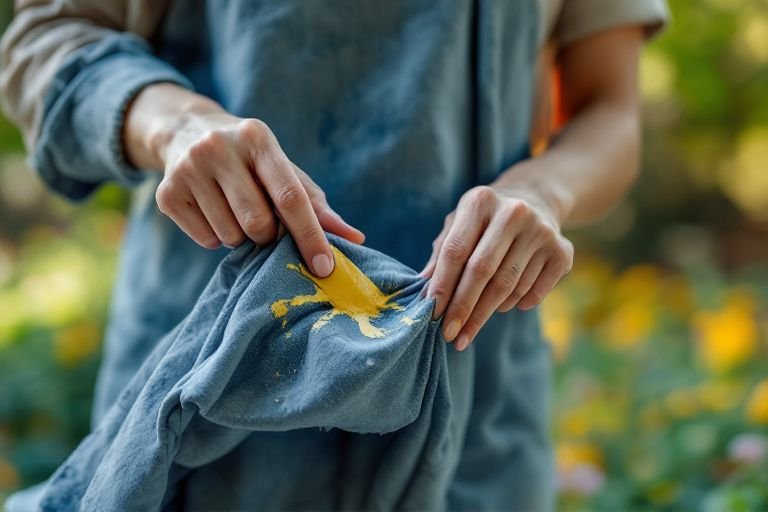
How to Remove Acrylic Paint from Clothes: Expert Tips
Have you ever accidentally splattered acrylic paint on your favorite shirt, leaving you frustrated and unsure of what to do next? You’re not alone—this common mishap can feel overwhelming, especially when the vibrant colors seem impossible to erase. However, understanding how to remove acrylic paint from clothes is not only feasible but can be achieved with the right techniques and a bit of patience. With over 15 years of experience in fabric care and stain removal, I will guide you through proven methods that can save your garments from becoming paint casualties. In this article, you will learn step-by-step instructions, essential tips, and common mistakes to avoid, ensuring that you can tackle this challenge confidently and effectively.
Understanding Acrylic Paint and Its Properties
Acrylic paint is a versatile medium known for its fast drying time and vibrant colors. It is water-based, which means that when wet, it can be relatively easy to remove. However, once dried, acrylic paint can become challenging to eliminate. Understanding its chemical composition can help you determine the best cleaning methods. Acrylic paint consists of pigment suspended in an acrylic polymer emulsion, which binds the paint to the fabric. This binding property is what makes it difficult to wash out once it has dried, necessitating prompt action for effective removal.
Why Immediate Action is Crucial
The sooner you address an acrylic paint stain, the better your chances of removing it completely. Fresh stains are easier to treat as the paint has not yet set into the fabric fibers. By acting quickly, you can often lift the paint before it bonds permanently, saving you from extensive cleaning efforts later.
Different Fabrics and Their Reaction to Acrylic Paint
Various fabrics react differently to acrylic paint. Natural fibers like cotton and linen tend to absorb paint more readily than synthetic fibers. While cotton may allow for easier paint removal, delicate fabrics like silk or wool require extra caution to prevent damage. Knowing your fabric type can guide you in choosing the right removal technique.
💡 Act quickly to tackle fresh stains
💡 Test any cleaning method on a hidden fabric area first
Initial Steps to Remove Acrylic Paint from Clothes
Before diving into specific techniques, it’s essential to follow some initial steps that will set the stage for effective stain removal. First, assess the paint’s dryness. If it’s wet, blot the excess paint gently with a paper towel. If it’s dry, scraping off as much paint as possible without damaging the fabric is advisable. Always work from the outside of the stain inward to avoid spreading it further. These initial steps are crucial for preparing the fabric for more intensive cleaning techniques.
Blotting Wet Paint
If the acrylic paint is still wet, use a clean cloth or paper towel to blot the stain. Avoid rubbing, as this can push the paint deeper into the fibers. Blot gently until the cloth no longer picks up paint. This step is vital to minimize the amount of paint that seeps into the fabric.
Removing Dried Paint
For dried acrylic paint, start by gently scraping off as much paint as possible with a dull knife or credit card. Be careful not to damage the fabric. After scraping, the remaining paint may require solvents or other removal methods. Always test the chosen method on a less visible part of the fabric first to prevent any adverse reactions.
💡 Always scrape from the outer edge of the stain
💡 Use a dull tool to avoid fabric snags
Understanding Acrylic Paint and Its Properties
Acrylic paint is a water-based medium that dries quickly, making it both versatile and challenging when it comes to removal. Understanding its composition is crucial for effective cleaning. The paint is made of pigment suspended in an acrylic polymer emulsion, which can bond tightly to fabric fibers. When dry, acrylic paint can become quite stubborn, but acting quickly can significantly increase your chances of successful removal. The key is to treat the stain as soon as possible, ideally while the paint is still wet, to prevent it from setting in.
Why Timing Matters
The sooner you address an acrylic paint stain, the better your chances of removal. Wet paint can often be blotted or rinsed away with water, while dried paint may require more intensive treatment methods. A quick response can save your fabric from permanent damage.
Identifying Fabric Types
Different fabrics respond differently to cleaning methods. For instance, natural fibers like cotton may endure harsher treatments than delicate synthetics like silk. Knowing your fabric type can guide you in selecting the most appropriate cleaning technique.
Key Points:
- Understanding paint properties is essential for effective removal.
- Immediate action significantly improves the chances of successful stain removal.
💡 Act quickly to treat stains while the paint is still wet, as this increases the chance of successful removal.
💡 Always test any cleaning method on a hidden area of the fabric first to prevent damage.
Step-by-Step Acrylic Paint Removal Techniques
Removing acrylic paint from clothes can be approached using various techniques, depending on whether the paint is wet or dry. For wet stains, blotting and rinsing with cold water can help lift the paint. For dry stains, using solvents or scrapers is often necessary. Always follow up with washing the fabric to remove any residual cleaning agents. Each method varies in effectiveness based on the fabric type and the severity of the stain, so having a few strategies ready can be beneficial.
Wet Stain Removal
For wet acrylic paint stains, immediately blot the area with a paper towel to absorb excess paint. Rinse the fabric under cold running water, allowing the water to flow through the back of the stain. This helps push the paint out of the fibers rather than further embedding it.
Dry Stain Removal
For dried acrylic paint, gently scrape off as much of the paint as possible using a dull knife or credit card. Then, apply a solvent like rubbing alcohol or acetone to a cotton ball and dab it onto the stain. Let it sit for a few minutes before blotting with a clean cloth and rinsing with water.
Key Points:
- Different techniques are needed for wet versus dry stains.
- Follow-up washing is crucial after stain treatment for the best results.
💡 Always scrape dried paint gently to avoid damaging the fabric.
💡 Follow up any treatment with a thorough wash to eliminate any remaining residues.
EXPERT TIPS Pro Advice
Use cold water for rinsing painted areas.
Cold water helps to prevent the paint from setting into the fabric, making it easier to remove the stain.
Avoid heat until the stain is completely removed.
Heat can set the stain permanently, so refrain from using dryers or hot water until you’re sure the stain is gone.
Consider soaking the fabric in a mixture of water and vinegar.
Vinegar can help break down the paint, making it easier to lift from the fabric during washing.
Always wear gloves when handling solvents.
Protecting your skin is crucial, as solvents can be harsh and cause irritation.
Frequently Asked Questions
Conclusion
Removing acrylic paint from clothes requires prompt action and the right techniques. Blotting, rinsing, and using effective solvents like rubbing alcohol or vinegar can help lift the stain. Remember to wash the fabric in cold water to prevent setting the stain.
🎯 Key Takeaways:
- Act quickly to treat fresh paint stains.
- Use cold water to prevent setting the stain.
- Dried paint can be removed with soaking and scraping.
- Vinegar and rubbing alcohol are effective for stain removal.
Expert Advice: Always test any cleaning solution on a hidden fabric area first to avoid damage. The sooner you address a paint stain, the better your chances of successful removal.
Try these methods on your stained clothing and share your results or tips with others facing the same challenge.