
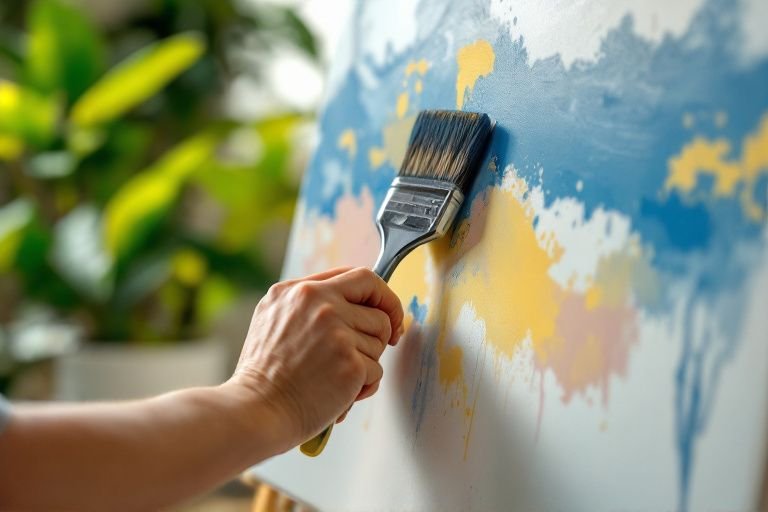
How to Remove Acrylic Paint from Canvas: Expert Tips
Have you ever found yourself staring at a canvas, frustrated by a mistake made with acrylic paint? You’re not alone. Many artists encounter this issue, and knowing how to remove acrylic paint from canvas can save your artwork from being ruined. With over 15 years of experience in art restoration and painting techniques, I understand the importance of preserving your creative expression. In this article, you’ll discover practical methods and expert tips for effectively removing unwanted acrylic paint without damaging your canvas. Whether you’re a beginner or a seasoned artist, these techniques will help you restore your canvas to its original state, allowing your artistic vision to shine through.
Understanding Acrylic Paint on Canvas
Acrylic paint is a versatile medium favored by many artists for its quick-drying properties and vibrant colors. However, accidents can happen, leading to unwanted splatters or mistakes on your canvas. Understanding how acrylic paint adheres to canvas is crucial for effective removal. Acrylic paint forms a polymer film as it dries, making it water-resistant and somewhat challenging to remove once cured. Knowing this, it’s essential to act quickly when dealing with fresh paint, as older paint requires different techniques and approaches for successful removal.
The Composition of Acrylic Paint
Acrylic paint consists of pigment suspended in an acrylic polymer emulsion. This composition allows the paint to bond strongly with the canvas surface upon drying. Understanding this can help you choose the right removal technique, as fresh paint is more easily lifted than dried paint, which adheres more firmly to the canvas fibers.
Timing is Crucial
Acting quickly is essential in paint removal. Fresh acrylic paint can often be removed with water or a damp cloth before it dries completely. However, once it has dried, more intensive methods may be necessary, such as solvents or scraping, which can risk damaging the canvas. Therefore, identifying the age of the paint is vital.
Key Points:
- Acrylic paint adheres strongly once dried.
- Acting quickly increases the chances of successful removal.
Techniques for Removing Acrylic Paint
There are various techniques to remove acrylic paint from canvas, ranging from simple methods for fresh paint to more complex approaches for dried paint. Choosing the right technique depends on the state of the paint and the desired outcome. For fresh paint spots, water and gentle rubbing can suffice. For dried paint, you may need to consider solvents or scraping methods, keeping in mind the potential for canvas damage. Always test removal methods on a small, inconspicuous area first to gauge effectiveness and ensure no harm comes to your artwork.
Removing Fresh Acrylic Paint
For fresh paint, start by using a damp cloth or sponge. Gently blot the area without rubbing to avoid spreading the paint further. If necessary, warm water can help dissolve the paint. Use a gentle soap to aid in the process while ensuring you don’t saturate the canvas, which could cause warping.
Addressing Dried Acrylic Paint
Removing dried acrylic paint can be challenging. Options include using a palette knife or a similar tool to gently scrape off the paint. If scraping is ineffective, consider using a solvent like rubbing alcohol or acetone applied sparingly to a cotton swab. Always proceed with caution, as these methods can damage the canvas if over-applied.
Key Points:
- Fresh paint is easier to remove than dried paint.
- Always test removal methods on a small area first.
Understanding Acrylic Paint Properties
Acrylic paint is a versatile medium known for its fast-drying properties and water solubility when wet. Understanding these characteristics is crucial for effective removal from canvas. Once dry, acrylic paint becomes water-resistant, making it challenging to completely eliminate without proper techniques. It’s essential to assess the age and thickness of the paint layer before choosing a removal method, as older layers may require more abrasive techniques, while fresher applications can be removed easily with water or solvents.
Assessing Paint Age and Thickness
Begin by examining the canvas to determine how long the paint has been applied. Fresh acrylic paint, typically within a day of application, can often be lifted with water and a cloth. In contrast, paint that has dried for weeks or months may need stronger methods such as solvents or scraping. Understanding the age of the paint can save time and prevent damage to the canvas.
Water Solubility of Acrylics
When wet, acrylic paints can be easily diluted and removed with water. Using a damp cloth or sponge can effectively lift the paint without damaging the canvas. However, once dry, the paint’s water resistance increases significantly. Knowing this can guide you in selecting the right method and tools for removal, ensuring you maintain the integrity of the canvas.
Key Points:
- Acrylic paint is water-soluble when wet but becomes resistant when dry.
- Assess the age of the paint before choosing a removal method.
💡 Always test your removal method on a small area first to assess the impact on the canvas.
💡 Use distilled water rather than tap water to avoid any minerals that might affect the canvas.
💡 Keep the canvas flat while working to prevent paint from running or spreading.
Effective Techniques for Paint Removal
There are several techniques available for removing acrylic paint from canvas, each suited for different situations. The choice of method depends on the paint’s age, thickness, and the desired outcome. Common techniques include using water, solvents, and physical scraping. Each method varies in effectiveness and care required, so understanding each technique can help prevent damage to the canvas while achieving a clean surface.
Water and Cloth Method
For fresh acrylic paint, soak a clean cloth in warm water and gently blot the area. Avoid rubbing, which can spread the paint or damage the canvas. This method is effective for minor spills or corrections, as the paint will lift easily before it dries. Always ensure the canvas remains flat to prevent water damage.
Using Solvents
For older, dried paint, solvents like rubbing alcohol or acetone can be effective. Dampen a cloth with the solvent and gently blot the paint. Use sparingly and test on a corner of the canvas first. This method may require patience, as repeated applications may be necessary to fully remove the paint without harming the canvas fibers.
Scraping Techniques
For thick layers of dried acrylic paint, a plastic scraper or palette knife can be used. Carefully scrape the paint away at a shallow angle to avoid damaging the canvas. This method is best for areas where the paint is excessively thick. Always proceed with caution, as aggressive scraping can tear the canvas.
Key Points:
- Different techniques are suited for different paint ages and thicknesses.
- Always prioritize canvas safety to avoid permanent damage during removal.
💡 Work in a well-ventilated area when using solvents to avoid inhaling fumes.
💡 Use a gentle hand when scraping to protect the canvas from damage.
💡 Consider wearing gloves to protect your skin from solvents or paint residue.
EXPERT TIPS
Pro Advice
Always perform a patch test before full removal.
Testing a small area allows you to see how the canvas reacts to your chosen method without risking damage to the entire piece.
Work in layers when using solvents or scraping.
Removing paint in layers reduces the risk of damaging the canvas and allows for more control over the removal process.
Consider moisture levels carefully.
Too much moisture can warp the canvas; always use damp tools rather than soaking the canvas directly.
Patience is key in paint removal.
Rushing the process can lead to mistakes. Take your time to ensure thorough and safe removal.
Document the removal process.
Keeping a record of what techniques worked or didn’t can be useful for future reference, especially if you work with acrylics regularly.
Frequently Asked Questions
Conclusion
Removing acrylic paint from canvas can be challenging due to its permanent nature. However, techniques such as scraping, using solvents like rubbing alcohol, and applying gentle cleaning methods can be effective. Always test on hidden areas first to avoid damaging the canvas.
🎯 Key Takeaways:
- Dried acrylic paint can be scraped off gently.
- Rubbing alcohol or acetone helps dissolve paint.
- Always test methods on a small area first.
- Prevent stains with canvas covers and immediate cleaning.
Expert Advice: Approach paint removal with patience and care. Experiment with methods on hidden areas to find the best solution for your specific canvas, ensuring you preserve its integrity in the process.
Take the time to practice these methods and enhance your painting skills while maintaining your canvases in pristine condition.