
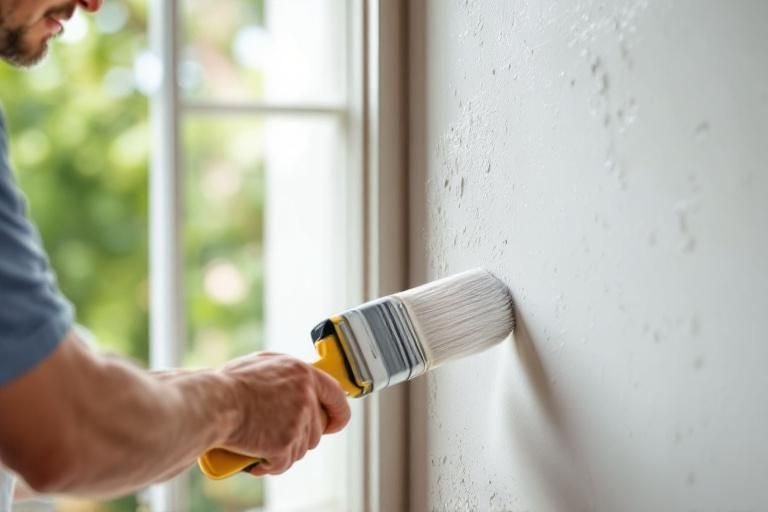
How Long to Let Primer Dry Before Painting: Essential Guide
Have you ever wondered how long to let primer dry before painting? The drying time of primer is crucial for achieving a flawless paint job. If not allowed to dry properly, paint can bubble, peel, or fail to adhere effectively. With over 15 years of experience in home improvement and DIY projects, I understand the importance of this often-overlooked step. In this article, you will learn the factors that influence primer drying time, the recommended waiting periods, and tips for ensuring optimal results. Whether you’re a seasoned DIYer or a first-time painter, this guide will equip you with the knowledge you need to achieve a professional finish in your painting projects.
Understanding Primer and Its Importance
Primer is a preparatory coating applied to surfaces before painting. Its main function is to enhance adhesion, increase durability, and prevent stains from bleeding through the topcoat. The type of primer used can greatly affect the drying time, with oil-based primers generally taking longer to dry than water-based ones. Understanding the specific characteristics of your primer is crucial for achieving optimal results. Properly dried primer ensures that your paint adheres well and provides a smoother, more even finish.
Types of Primer
There are mainly two types of primer: oil-based and water-based. Oil-based primers are known for their excellent stain-blocking properties and durability, making them ideal for wood and metal surfaces. Water-based primers dry faster and are easier to clean up, suitable for drywall and interior applications. Understanding the differences can help you choose the right primer for your project.
Why Primer Drying Time Matters
Allowing sufficient drying time for primer is essential for a successful paint job. If paint is applied too soon, it may not adhere properly, leading to peeling or bubbling. Additionally, moisture trapped beneath the paint can cause mold or mildew growth. Therefore, adhering to recommended drying times ensures a long-lasting finish and reduces the risk of future repairs.
Key Points:
- Primer enhances paint adhesion
- Different primers have varying drying times
Factors Affecting Primer Drying Time
The drying time of primer can vary based on several factors, including humidity, temperature, and the type of surface being primed. For instance, higher humidity levels can prolong drying time, while warmer temperatures tend to accelerate it. Additionally, the porosity of the surface—such as drywall versus wood—can also impact how quickly the primer dries. Knowing these factors allows you to plan your painting project more effectively.
Environmental Conditions
Temperature and humidity play significant roles in primer drying time. Ideally, the application should occur in temperatures between 50°F and 90°F. High humidity can slow down the drying process, while low humidity can facilitate quicker drying. Monitoring weather conditions can help you determine the best time to paint.
Surface Material Impacts
Different surfaces absorb primer at varying rates, influencing drying times. Porous surfaces like wood will generally absorb primer faster than non-porous surfaces like metal or plastic. Understanding the material you are working with allows you to adjust your expectations for drying time accordingly.
Key Points:
- Drying time varies with environmental factors
- Surface material affects absorption rates
Understanding Primer Drying Times
The drying time for primer is crucial to ensure a smooth and long-lasting paint finish. Generally, primers can take anywhere from 30 minutes to several hours to dry, depending on the type of primer and environmental conditions. Alkyd primers often require longer drying times compared to latex primers, which dry faster. Always refer to the manufacturer’s instructions for specific guidance. Additionally, humidity and temperature play significant roles; higher humidity levels can prolong drying times. Therefore, it’s essential to create an optimal environment, ideally around 70°F (21°C) with low humidity, to expedite the drying process.
Types of Primers and Their Drying Times
Different types of primers have varying drying times. Latex primers typically dry to the touch within 30 minutes, allowing for a quicker turnaround. On the other hand, oil-based primers can take up to 24 hours to fully cure. Understanding these differences can help you plan your painting project effectively and avoid potential issues with adhesion or finish quality.
Factors Affecting Drying Time
Several factors can influence how long to let primer dry before painting. Temperature is a significant factor; warmer conditions generally speed up drying. Humidity also plays a role; high humidity can slow down the drying process, leading to potential problems like mildew. Ventilation is crucial; good airflow helps evaporate moisture and promotes quicker drying. Adjusting these factors can lead to optimal drying conditions.
Key Points:
- Primer type significantly affects drying time.
- Environmental conditions can enhance or hinder drying efficiency.
💡 Always check the manufacturer’s guidelines for specific drying times.
💡 Use a fan or dehumidifier to improve air circulation and reduce humidity.
💡 Perform a touch test before painting to ensure the primer is fully dry.
Best Practices for Timing Your Painting Project
Timing your painting project is essential to achieve the best results. Before starting, plan your work schedule around the recommended drying times for the primer you are using. Waiting too long can lead to dust accumulation or surface imperfections. Generally, it’s advisable to wait at least two hours before applying the topcoat over a latex primer, while oil-based primers may require a full day. Be mindful of changes in weather forecasts, too, as rain or high humidity can impact drying times unexpectedly.
Testing for Full Drying
Before applying paint, always test the primer for complete drying. Lightly touch an inconspicuous area; if it feels tacky or leaves a residue on your finger, it needs more time. This step is crucial to ensure that the paint adheres properly and avoids peeling or flaking over time. Implementing this simple test can save you from costly mistakes and rework later.
Creating a Drying Schedule
Establish a drying schedule based on your project’s needs. If you are working with multiple surfaces or colors, prioritize the areas that require longer drying times. This can streamline your workflow and prevent delays. Documenting your drying times can also help you refine your approach for future projects, ensuring optimal results every time.
Key Points:
- Proper timing ensures better paint adhesion and finish quality.
- A drying schedule can enhance project efficiency and planning.
💡 Create a drying schedule tailored to your project.
💡 Test the primer’s dryness to avoid painting too soon.
💡 Monitor weather conditions to adjust your timing accordingly.
EXPERT TIPS Pro Advice
Use a moisture meter for accuracy.
A moisture meter can provide precise readings of surface moisture, ensuring that the primer is adequately dry before painting. This reduces the risk of paint failure.
Consider using a quick-dry primer.
Quick-dry primers can significantly reduce waiting times, allowing you to complete projects faster without compromising on quality.
Stay aware of temperature fluctuations.
Temperature can change throughout the day; monitor it regularly to adapt your drying expectations accordingly.
Choose the right time of day for painting.
Painting during cooler parts of the day can help the primer dry evenly, especially in hot climates where rapid drying can cause issues.
Plan for multiple coats.
If your project requires multiple coats, allow sufficient drying time between each coat to ensure durability and a professional finish.
Frequently Asked Questions
Conclusion
Understanding how long to let primer dry before painting is essential for achieving a flawless finish. Generally, allowing 1 to 4 hours for drying is recommended, but factors like humidity and temperature can affect this. Always ensure the primer is completely dry and consider sanding before applying paint.
🎯 Key Takeaways:
- Primer typically needs 1 to 4 hours to dry.
- Humidity and temperature significantly impact drying time.
- Do not paint over tacky primer to avoid issues.
- Light sanding of dried primer enhances paint adhesion.
- Good ventilation can speed up drying time.
- Letting primer dry overnight is often beneficial.
Expert Advice: Be patient and allow adequate drying time for primer to ensure the best possible outcome for your painting project. Proper preparation leads to a longer-lasting and visually appealing finish.
Before starting your next painting project, consider these tips on primer drying times to achieve professional results.