
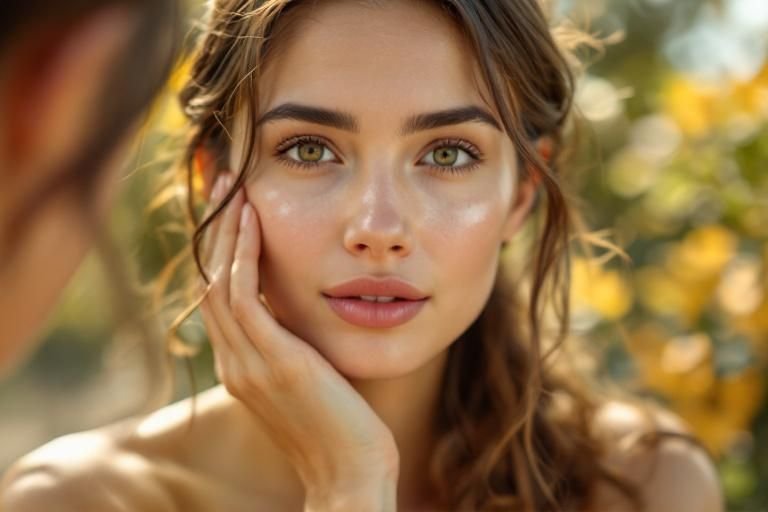
How to Use Primer: Ultimate Guide for Flawless Application
Are you tired of your makeup fading or looking uneven throughout the day? Understanding how to use primer can be the game-changer you need for a flawless finish. With over 15 years of experience in the beauty industry, I’ve seen firsthand how the right primer can transform your makeup routine. In this comprehensive guide, you will learn not only the basics of primer application but also the different types available and how to choose the right one for your skin type. By the end of this article, you’ll be equipped with expert tips and techniques to ensure your makeup stays vibrant and smooth all day long.
Understanding Primer and Its Importance
Primer is a crucial step in both makeup application and painting. It serves as a base layer that enhances the longevity and quality of the final product, whether it’s a flawless makeup look or a beautifully painted wall. In makeup, primer smooths the skin’s texture and helps to keep foundation in place, preventing it from settling into fine lines. When it comes to painting, primer prepares the surface, ensuring better adhesion of paint and reducing the number of coats needed for a perfect finish. Understanding the role of primer can significantly improve your results in both fields.
Types of Makeup Primer
Makeup primers come in various formulations tailored to different skin types and desired effects. Silicon-based primers create a smooth barrier, while hydrating primers are ideal for dry skin. Mattifying primers help control oil for a shine-free finish, making them suitable for oily skin. Understanding these types allows you to choose the right primer for your specific needs, maximizing your makeup’s effectiveness.
Benefits of Using Primer for Painting
Using primer in painting offers several advantages. It seals porous surfaces, preventing paint from soaking in and ensuring even application. Primer also enhances the vibrancy of colors, making the final coat look more polished. Additionally, it can help in covering stains or imperfections on surfaces, leading to a more professional finish. These benefits highlight the importance of this often-overlooked step in the painting process.
Key Points:
- Primer enhances makeup longevity and texture
- Primer improves paint adhesion and color vibrancy
How to Apply Primer Effectively
Applying primer correctly is essential for achieving optimal results in both makeup and painting. In makeup, the application process starts with clean, moisturized skin. Use your fingers, a brush, or a sponge to apply the primer, focusing on areas where makeup tends to fade or crease. For painting, ensure the surface is clean and dry before applying primer evenly with a brush or roller, smoothing out any drips or uneven spots. Following these steps helps to create a solid foundation for your makeup or paint, ensuring a more polished finish.
Steps for Makeup Primer Application
To apply makeup primer, start with a pea-sized amount and dot it on your forehead, cheeks, nose, and chin. Blend it outward using your fingers or a makeup sponge. Allow it to set for a minute before applying foundation. This method ensures an even application and enhances the staying power of your makeup, preventing it from settling into fine lines.
Steps for Painting Primer Application
For painting, begin by cleaning the surface to remove dust and grease. Use painter’s tape to protect edges and create clean lines. Apply primer using a brush for corners and a roller for larger areas, ensuring even coverage. Allow it to dry completely before applying paint. Proper application creates a strong bond for paint, resulting in a smoother finish.
Key Points:
- Clean the surface before application
- Allow primer to dry completely for best results
Understanding Primer Types and Their Uses
Primers are essential in makeup application, acting as a base to enhance the longevity and finish of makeup. They come in various types, including hydrating, mattifying, and pore-filling, each suited for different skin types and conditions. Understanding your skin’s needs is crucial for selecting the appropriate primer. For instance, a hydrating primer is ideal for dry skin, while a mattifying primer benefits oily skin. Additionally, some primers contain color-correcting properties to address skin tone issues. Knowing the purpose of each primer type helps you achieve a flawless makeup look that lasts throughout the day.
Hydrating Primers
Hydrating primers are formulated to provide moisture to the skin, making them ideal for dry or dehydrated skin types. They often contain ingredients like glycerin or hyaluronic acid, which help to plump and nourish the skin. When using a hydrating primer, apply it after your skincare routine to ensure a smooth base for foundation, enhancing both application and wear time.
Mattifying Primers
Mattifying primers are designed to control oil and shine, making them perfect for oily or combination skin. These primers often contain silicones that create a barrier, reducing excess oil production. For best results, apply a thin layer to areas prone to shine, such as the T-zone, and allow it to set before applying foundation to ensure a smooth, matte finish.
Pore-Filling Primers
Pore-filling primers work to blur the appearance of pores and imperfections, providing a smoother canvas for makeup application. They typically contain silicones that fill in fine lines and pores. To use, gently press the primer into the skin with your fingertips, focusing on areas with enlarged pores. This technique enhances the blending of foundation and results in a more polished look.
Key Points:
- Choosing the right primer type is essential for skin compatibility and makeup longevity.
- Application technique can significantly affect the final appearance of your makeup.
💡 Always test a small amount of primer on your skin to check for any allergic reactions before full application.
💡 Layer your primer for enhanced effectiveness; you can combine different types of primers for specific areas on your face.
💡 Allow your primer to set for at least a minute before applying foundation to ensure proper adhesion.
Application Techniques for Maximum Effectiveness
Proper application of primer is vital to achieving a flawless makeup look. The technique can vary based on the type of primer used, but generally, using clean fingers or a makeup sponge is recommended. Start with a pea-sized amount and apply it evenly across the face, focusing on areas that require extra attention, such as the T-zone or areas with large pores. For a more airbrushed effect, consider using a brush to blend the primer into the skin. This step not only helps with makeup longevity but also improves the overall texture of your foundation.
Using Fingers for Application
Applying primer with your fingers allows for better warmth and blending, which can help the product to melt into the skin. Use your fingertips to gently press and roll the primer onto your face, focusing on areas that need smoothing. This technique is effective for achieving a natural finish and ensuring that the primer adheres well to the skin’s surface.
Using a Makeup Sponge
A damp makeup sponge can provide a seamless application, especially for hydrating primers. Dab the sponge into the primer and then gently press it onto your skin. This method helps to distribute the product evenly while providing a dewy finish. Make sure to use a clean sponge to avoid transferring oils and impurities onto your skin.
Brush Application for Precision
Using a brush to apply primer can offer precision, particularly for pore-filling primers. A flat foundation brush or a specialized primer brush can help you target specific areas. Use short, sweeping motions to apply the primer evenly, and ensure that it is well-blended to avoid streaks or patches.
Key Points:
- Different application techniques can enhance the effectiveness of your primer.
- Layering and blending are crucial for a smooth and flawless makeup application.
💡 Experiment with different application tools to find which one yields the best results for your skin type.
💡 Apply primer in small sections to ensure even coverage and avoid over-application.
💡 Consider the climate when applying primer; in humid conditions, a matte finish may help control shine better.
EXPERT TIPS
Pro Advice
Prep Your Skin Before Primer
Exfoliate and moisturize your skin before applying primer to ensure a smooth surface, which enhances makeup application and longevity.
Choose Primer Based on Weather Conditions
In hot, humid weather, a mattifying primer will help control shine, while a hydrating primer is beneficial in dry conditions to maintain moisture.
Use a Primer with SPF
Choosing a primer with sun protection can provide an additional layer of defense against UV damage while ensuring your makeup stays intact.
Store Primer Properly
Keep your primer in a cool, dry place to maintain its effectiveness and extend its shelf life; avoid exposure to direct sunlight.
Know When to Skip Primer
If your skin is particularly oily or you’re using a heavy foundation, skipping primer can sometimes allow for a more breathable look and feel.
Frequently Asked Questions
Conclusion
Using primer effectively can enhance your makeup application and longevity. Understanding the various types of primer and how to apply them is crucial for achieving the best results. Whether you have oily, dry, or combination skin, there’s a primer suited for your needs.
🎯 Key Takeaways:
- Primer creates a smooth base for makeup.
- Apply primer to clean, moisturized skin.
- Daily use depends on makeup habits.
- Choose the right primer for your skin type.
- Primer can help with oil control and longevity.
Expert Advice: Experiment with different primers to find one that fits your skin type and makeup routine. Proper application and understanding of your skin’s needs can make a significant difference in your overall makeup look.
Try incorporating primer into your makeup routine and observe the improvements in your makeup’s performance.