
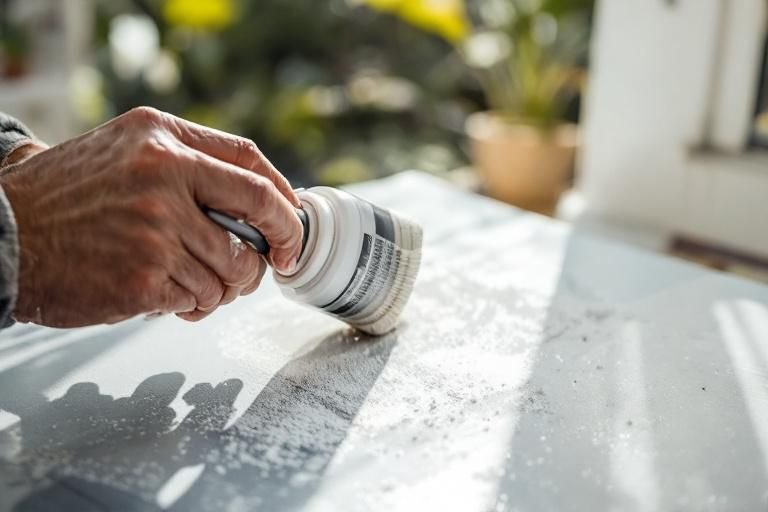
How Long Does It Take for Primer to Dry? Essential Guide
Have you ever started a painting project only to be held up by the drying time of primer? Understanding how long it takes for primer to dry is crucial for achieving a smooth and professional finish. As an experienced painting professional, I can tell you that the drying time can vary significantly based on several factors, including the type of primer used, environmental conditions, and application techniques. In this article, we will explore the typical drying times for various primers, the factors that influence these times, and best practices to ensure your painting project proceeds without delays. Whether you’re a DIY enthusiast or a seasoned painter, this guide will equip you with the knowledge you need for successful results.
Understanding Primer and Its Role
Primer is a preparatory coating applied before painting to ensure better adhesion of paint to the surface, enhance durability, and improve the finish. It’s crucial to understand that different primers have varying drying times based on their composition, environmental conditions, and the surface being treated. Generally, the drying process involves the evaporation of solvents and the curing of specific chemicals in the primer, which can take anywhere from 30 minutes to several hours. Knowing the right drying time is essential to achieving the best results in your painting project.
Types of Primer
There are various types of primers available, including oil-based, water-based, and shellac primers. Oil-based primers typically take longer to dry, often requiring up to 24 hours for full curing, while water-based primers can dry in as little as 30 minutes to 2 hours. Understanding the type of primer you are using is key to anticipating drying times.
Factors Influencing Drying Time
Several factors can influence how long it takes for primer to dry, including temperature, humidity, and ventilation. Higher temperatures and lower humidity generally accelerate drying, while cooler temperatures and high humidity can prolong it. Adequate ventilation is also crucial, as it helps evaporate solvents more quickly, reducing drying time.
Key Points:
- Different primers have different drying times.
- Environmental conditions significantly affect drying time.
Estimating Drying Times for Primer
Estimating how long it takes for primer to dry is essential for planning your painting project effectively. The drying time can vary not only by primer type but also by the application method and surface material. For example, a thick coat of primer may take longer to dry compared to a thin layer. It’s important to adhere to the manufacturer’s guidelines and perform a touch test to ensure the surface is dry before applying paint. Generally, an initial touch dry can be checked after about one hour, but wait for the recommended time for best results.
Touch Dry vs. Fully Cured
It’s essential to distinguish between ‘touch dry’ and ‘fully cured’ when assessing primer drying times. Touch dry means the surface feels dry to the touch, but it may not be ready for painting. Fully cured indicates that the primer has completed its drying process and has reached its maximum adhesion and durability, which can take an additional several hours or more.
Testing the Primer
To test if primer is ready for painting, gently press your finger against the surface. If it feels sticky or leaves a mark, it is not fully dry. Alternatively, a small inconspicuous area can be painted to observe how well the paint adheres, helping you determine whether it’s time for the next step.
Key Points:
- Check for touch dry vs. fully cured.
- Perform a touch test to confirm readiness for painting.
Understanding Primer Drying Times
The drying time for primer can vary significantly based on several factors including type, environmental conditions, and application method. Generally, primers can take anywhere from 30 minutes to several hours to dry to the touch, but full curing can take longer. Understanding the nature of the primer used is essential for optimal results. For water-based primers, drying times are typically shorter compared to oil-based options. Additionally, factors like temperature and humidity can either accelerate or extend these times, making it crucial to assess your painting environment prior to application.
Types of Primers and Their Drying Times
Different types of primers have distinct drying times. Water-based primers usually dry to the touch within 30 minutes, while oil-based primers may take 1-2 hours. It’s important to consult the manufacturer’s guidelines for specific drying times, as these can provide a clearer expectation based on the product’s formulation.
Environmental Conditions Affecting Drying
Humidity and temperature play significant roles in primer drying times. Higher humidity can slow down drying, while warm, dry conditions can expedite it. Ideally, paint in a well-ventilated area with temperatures between 50°F and 90°F to ensure optimal drying conditions.
Key Points:
- Drying time varies by primer type and environmental conditions
- Always refer to manufacturer guidelines for expected drying times
💡 Always check the manufacturer’s instructions for specific drying times
💡 Monitor humidity levels to gauge the drying process
💡 Use a fan to circulate air and speed up drying times
Best Practices for Ensuring Proper Primer Drying
To ensure that primer dries properly, it’s essential to follow best practices during application and curing. Applying primer in thin, even coats allows for quicker drying times and better adhesion for subsequent paint layers. Avoid applying the next coat of paint until the primer is fully dry to prevent issues such as bubbling or peeling. Additionally, testing for dryness can be done by lightly touching the surface; if it’s tack-free, it’s time to proceed.
Application Techniques for Faster Drying
Using spray application or foam rollers can create thinner layers of primer, which dry more quickly than thick brush strokes. Additionally, applying primer during the warmest part of the day can also help speed up the drying process.
Testing Primer Dryness
To test if your primer is dry, gently touch the surface with your fingertip. If it feels cool or sticky, it needs more time. If it’s dry to the touch, you can proceed to paint. This method helps avoid complications in your painting project.
Key Points:
- Thin layers of primer lead to quicker drying
- Always test for dryness before proceeding with paint application
💡 Apply in thin layers for faster drying
💡 Use a fan to enhance air circulation
💡 Test for dryness before applying additional coats
EXPERT TIPS Pro Advice
Consider the time of year for best results
Drying times can vary with seasons. In winter, aim for indoor applications to avoid moisture and cold, which can slow drying.
Plan your project around drying times
Understanding drying times allows you to schedule your painting effectively, ensuring that each coat has adequate time to cure before moving on.
Avoid rushing the process
Patience is key. Rushing to apply paint before primer is fully dry can compromise the final finish, leading to issues.
Keep the workspace well-ventilated
Good ventilation reduces humidity and promotes faster drying, resulting in a smoother finish.
Monitor temperature closely
Using a thermometer helps ensure your workspace is within the ideal temperature range, further ensuring optimal drying times.
Frequently Asked Questions
Conclusion
Understanding primer drying times is essential for a successful painting project. Factors such as humidity, temperature, and the type of primer used can significantly affect how long it takes to dry. Always consult manufacturer guidelines for the best results.
🎯 Key Takeaways:
- Primer drying times can vary from 1 to 8 hours.
- Humidity and temperature significantly impact drying times.
- Always wait for primer to fully dry before painting.
- Using a fan can help speed up the drying process.
Expert Advice: Plan your painting project by allowing adequate drying time for primer. Pay attention to environmental factors and follow the manufacturer’s recommendations for best results.
Now that you understand drying times, prepare your next painting project with confidence!