
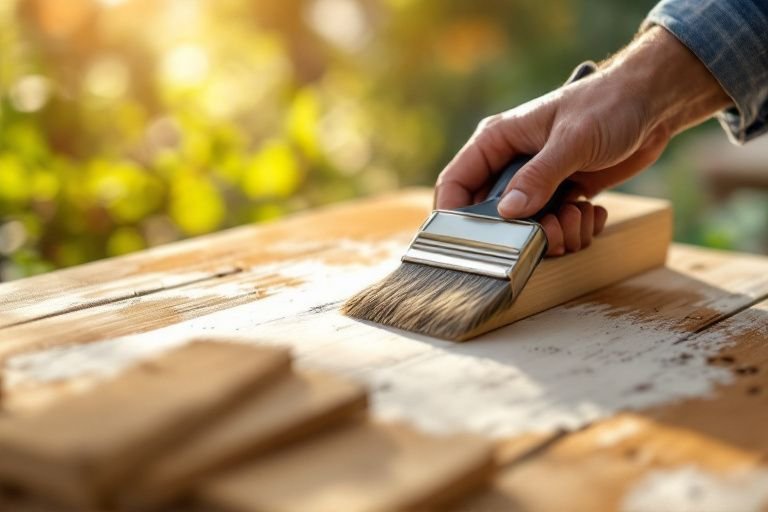
How Long Does Primer Take to Dry on Wood? Key Insights
Have you ever wondered how long does primer take to dry on wood before you can proceed with painting? Understanding the drying time of primer is crucial for achieving a smooth and durable finish on your wood projects. Many factors influence this drying period, including the type of primer used, environmental conditions, and the type of wood being primed. As a seasoned expert in painting techniques, I will guide you through the intricacies of primer drying times and provide you with essential tips to ensure your projects succeed. In this article, you’ll learn about the typical drying times, key factors that affect them, and best practices to follow for optimal results.
Understanding Primer and Its Purpose on Wood
Primer is a preparatory coating applied to wood surfaces before painting. It serves multiple purposes, including enhancing adhesion, blocking stains, and providing a uniform surface for the topcoat. Depending on the type of primer used, the drying time can vary significantly. Understanding the characteristics of different primers is crucial for achieving a successful paint job. Typically, oil-based primers take longer to dry than water-based options, which can influence your project timeline. Knowing these details helps you plan your work effectively and ensures that the final finish looks professional and lasts longer.
Types of Primers Used on Wood
There are primarily two types of primers used on wood: oil-based and water-based. Oil-based primers are renowned for their superior adhesion and stain-blocking capabilities, making them ideal for problematic surfaces. Water-based primers, on the other hand, are quicker to dry and easier to clean up, making them more convenient for indoor projects. Understanding the differences in drying times and properties helps in selecting the right primer for your specific wood finishing needs.
Factors Influencing Drying Time
Several factors affect how long primer takes to dry on wood. Temperature, humidity, and air circulation play significant roles. Generally, warmer temperatures and lower humidity levels expedite drying, while cooler or humid conditions can prolong it. Additionally, the thickness of the primer application affects drying time; thicker coats naturally take longer to dry. Being aware of these factors allows for better planning and timing during your project.
Key Points:
- Primer enhances adhesion and provides a uniform surface.
- Drying time varies based on type and environmental conditions.
💡 Understanding the purpose of primer improves your painting results.
💡 Choosing the right type of primer can save time and enhance finish quality.
Drying Times for Different Primers on Wood
The drying time for primer on wood can vary widely based on the type of primer used and environmental conditions. Generally speaking, oil-based primers can take anywhere from 24 hours to fully cure, while water-based primers typically dry to the touch within 1 to 2 hours but may require 4 to 6 hours before applying a topcoat. This variance is crucial for painters to consider when planning their projects, as rushing the process can lead to poor adhesion and an uneven finish.
Oil-Based Primer Drying Times
Oil-based primers usually require a longer drying time due to their chemical composition. Typically, they may feel dry to the touch within 6 to 8 hours but can take up to 24 hours to cure completely. This extended drying period is essential for ensuring that the primer adheres properly and provides a solid base for the paint. Adequate drying time is crucial to avoid issues like peeling or bubbling in the topcoat.
Water-Based Primer Drying Times
Water-based primers are favored for their quick drying properties. They usually dry to the touch within 1 to 2 hours, allowing for quicker project completion. However, for optimal results and to prevent issues with the topcoat, it’s recommended to wait at least 4 to 6 hours before applying paint over the primer. This shorter drying time makes water-based primers a popular choice for indoor projects and quick touch-ups.
Key Points:
- Oil-based primers take longer to dry than water-based ones.
- Drying times vary based on environmental factors and application thickness.
💡 Allow adequate drying time to prevent paint issues later.
💡 Check environmental conditions to estimate drying times accurately.
Understanding Primer Drying Times
The drying time of primer on wood can vary significantly based on several factors, including the type of primer used, environmental conditions, and the wood’s surface. Generally, water-based primers dry to the touch within 30 minutes to 1 hour, while oil-based primers may take 1 to 2 hours. However, it is crucial to differentiate between ‘dry to the touch’ and ‘fully cured.’ While the surface may feel dry, it may still be soft beneath, affecting subsequent paint layers. To ensure optimal adhesion, it’s best to wait for the primer to cure completely, which can take 24 hours or more, especially in humid conditions.
Factors Affecting Drying Time
Several factors influence how long primer takes to dry on wood. Humidity levels play a significant role; high humidity can extend drying times. Temperature is another critical factor; warmer environments typically speed up the drying process. Additionally, the type of wood can affect absorption rates, with porous woods soaking in more primer and potentially extending drying times.
Testing for Dryness
To ensure the primer is adequately dried before applying the topcoat, conduct a simple touch test. Lightly touch an inconspicuous area; if it feels tacky, allow more time. Another effective method is to use a clean, dry finger to lightly press the surface; if it leaves an imprint, drying is not complete. For best results, always refer to the manufacturer’s guidelines.
Key Points:
- Primer drying times can vary by type and environmental conditions.
- Always check for complete dryness before applying additional layers.
💡 Always allow adequate drying time before applying additional coats to prevent peeling.
💡 Consider the local climate; dry, warm days are optimal for primer drying.
💡 If in doubt, wait longer before proceeding with painting, as patience leads to better results.
Optimizing Primer Application
To achieve the best results when priming wood, proper application techniques can significantly affect drying times and overall finish quality. Start by preparing the surface; clean and sand the wood to promote better adhesion. Apply an even coat of primer using a brush or roller, ensuring there are no thick spots that could hold moisture longer. Additionally, consider applying primer in thin layers rather than thick coats, as thinner layers dry faster and cure more evenly, leading to a smoother finish.
Surface Preparation
Before applying primer, ensure the wood surface is free from dust, dirt, and grease. Sanding the wood not only smooths the surface but also opens up the wood grain, allowing for better primer penetration. Use fine-grit sandpaper and wipe down the surface with a damp cloth to remove any dust created during sanding.
Application Techniques
Using the right technique during primer application can enhance drying efficiency. Apply the primer in long, even strokes to avoid pooling. A brush is ideal for corners and intricate designs, while a roller can cover larger areas quickly. Avoid overworking the primer to prevent it from becoming tacky and prolonging drying times.
Key Points:
- Proper surface preparation is essential for effective primer application.
- Thin, even coats of primer dry faster and provide a better finish.
💡 Always sand and clean the surface before priming for better adhesion.
💡 Apply primer in thin, even layers to facilitate quicker drying.
💡 Maintain consistent application pressure to avoid thick spots.
EXPERT TIPS
Pro Advice
Use a dehumidifier in humid conditions.
Reducing moisture in the air can significantly speed up drying times, allowing for quicker project completion.
Choose the right time of year for outdoor projects.
Spring and fall often provide optimal temperatures and humidity for drying primer effectively.
Monitor temperature closely during application.
Ideal application temperatures are between 50°F and 85°F; extreme temperatures can adversely affect drying times.
Consider using a fan to improve air circulation.
Increased airflow can help accelerate the drying process, especially in enclosed spaces.
Frequently Asked Questions
Conclusion
Understanding the drying time of primer on wood is crucial for a successful painting project. Factors like humidity, temperature, and primer type can influence drying speed. Always allow adequate drying time before applying paint to ensure the best results.
🎯 Key Takeaways:
- Primer typically dries in 1 to 2 hours on wood.
- Temperature and humidity significantly affect drying time.
- Allow 4 hours of drying time before painting.
- Lightly sand dried primer for better paint adhesion.
- Oil-based primers take longer to dry than water-based ones.
Expert Advice: Always ensure proper conditions for drying and follow recommended times for the best finish. Patience is key to achieving a professional look.
Take the time to prepare your wood surface correctly, and you’ll achieve a stunning paint job that lasts.