
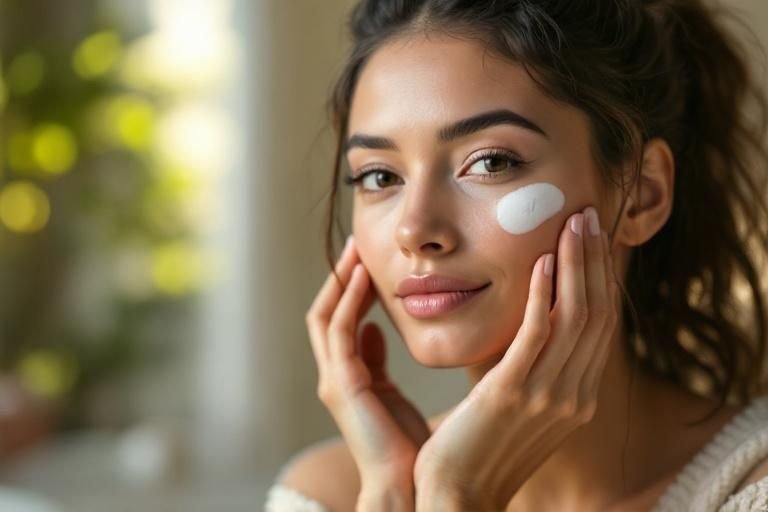
How to Apply Elf Poreless Putty Primer: Expert Guide
Are you struggling to achieve a smooth, flawless complexion? The right primer can transform your makeup routine, and knowing how to apply elf poreless putty primer effectively is key. With over 15 years of experience in beauty techniques, we understand the importance of a perfect base. In this article, you’ll discover essential tips for applying this popular primer, the best techniques to enhance your makeup, and common mistakes to avoid. Read on to master the art of primer application and elevate your beauty regimen.
Understanding Poreless Primer Benefits
A poreless primer is designed to create a smooth canvas for makeup application, helping to minimize the appearance of pores and imperfections. By filling in fine lines and evening out skin texture, it enhances the longevity of makeup while providing a soft focus effect. Additionally, using a primer can help control oil and shine, making it particularly beneficial for those with oily or combination skin. Applying a quality primer can also provide a barrier between your skin and makeup, reducing the chance of clogged pores and breakouts.
Why Use a Primer?
Using a primer before makeup application helps to create a more even surface, allowing foundation and other products to glide on smoothly. This can enhance the overall finish of your makeup, making it look more professional and polished. Additionally, primer can help prolong makeup wear, ensuring that your look stays fresh throughout the day.
Different Types of Primers
Primers come in various formulations to cater to different skin types and concerns. Some are mattifying to control shine, while others are hydrating for dry skin. Additionally, there are color-correcting primers that can neutralize redness or dullness. Understanding your skin type will help you choose the right primer for optimal results.
Key Points:
- Poreless primers minimize the appearance of pores and imperfections.
- Choosing the right primer formulation is crucial for your skin type.
How to Apply Poreless Primer Effectively
Applying poreless primer correctly is essential for maximizing its benefits. Start with clean, moisturized skin to ensure the primer adheres well and creates an optimal base for makeup. Use your fingers or a makeup tool to apply the primer, focusing on areas with larger pores or uneven texture. A little goes a long way; typically, a pea-sized amount is sufficient. Allow the primer to set for a few minutes before applying foundation to ensure it forms a good barrier and enhances makeup longevity.
Application Techniques
When applying primer, use gentle, patting motions rather than rubbing to avoid irritation and ensure even coverage. Focus on areas of concern, such as the nose and cheeks, where pores may be more visible. If using a makeup tool, a makeup sponge can help press the product into the skin for a seamless finish.
Timing is Key
Allow the primer to dry completely before moving on to foundation. This usually takes about 2-3 minutes. Rushing this step can lead to an uneven finish, as makeup may not adhere properly to wet primer. Patience in this process pays off with a flawless makeup application.
Key Points:
- Use gentle patting motions for even application.
- Allow primer to set before applying foundation for best results.
Understanding the Purpose of a Primer
Primers play a crucial role in makeup application, particularly in creating a smooth canvas for foundation. The primary function of a poreless primer is to minimize the appearance of pores and fine lines, thus enhancing the overall finish of makeup. Applying a primer can prolong the wear of your makeup, preventing it from settling into pores or creasing throughout the day. Additionally, a good primer can help control oil and shine, making it essential for those with oily skin types. By understanding these benefits, you can better appreciate the importance of using a primer as part of your makeup routine.
Types of Primers
Primers can be categorized based on skin types and desired effects. For instance, pore-filling primers are designed to specifically target enlarged pores, while hydrating primers are ideal for dry skin. There are also mattifying primers for oily skin types, which help control excess shine. Understanding the different types of primers can help you choose the right one for your skin’s needs.
The Science Behind Primers
Primers often contain silicone-based ingredients that create a barrier between the skin and makeup. This barrier helps to fill in pores and fine lines, resulting in a smoother application. Additionally, some primers include skincare ingredients that benefit the skin while providing a makeup base. Knowing the ingredients can help you select a primer that complements your skin type.
Key Points:
- Primers create a smooth canvas for foundation application.
- Different primers cater to various skin types and concerns.
💡 Always cleanse and moisturize your skin before applying primer to ensure a smooth application.
Step-by-Step Application of Poreless Primer
Applying a poreless primer correctly is key to achieving a flawless makeup look. Start with clean, moisturized skin to allow the primer to adhere properly. Use your fingers, a brush, or a beauty sponge to apply a small amount of primer, focusing on areas with enlarged pores, such as the nose and cheeks. Be sure to blend it outwards for an even finish. Allow the primer to set for a minute before applying foundation to ensure it creates the best base. This step enhances the longevity of your makeup and prevents fading or settling into fine lines.
Prepping Your Skin
Before applying primer, it’s essential to prep your skin adequately. This includes cleansing to remove dirt and oils and moisturizing to hydrate your skin. Use a lightweight moisturizer to avoid an overly greasy feel, which can affect makeup application. For oily skin, consider using an oil-free moisturizer to maintain balance.
Application Techniques
The technique used to apply primer can affect its performance. Use your fingertips for a more natural application, gently pressing the product into the skin. For a more precise application, a makeup brush can help spread the product evenly. A beauty sponge can also be effective, particularly for blending the edges seamlessly into the skin.
Key Points:
- A well-prepped skin enhances the effectiveness of the primer.
- Application technique can significantly impact the final makeup look.
💡 Allow the primer to fully absorb before applying foundation for optimal results.
EXPERT TIPS Pro Advice
Use a small amount of product
Less is often more with primers. Using too much can lead to a heavy feel and may disrupt foundation application.
Focus on problem areas
Apply extra product on areas with enlarged pores or fine lines, as these are where makeup tends to settle.
Experiment with layering
For optimal results, consider layering different types of primers (hydrating and pore-filling) to address multiple skin concerns at once.
Check for compatibility
Ensure that your moisturizer and primer are compatible; incompatible products can cause makeup to slide off or not adhere properly.
Frequently Asked Questions
Conclusion
Applying poreless putty primer effectively can enhance your makeup routine by providing a smooth base and minimizing imperfections. Begin with a clean, moisturized face, apply the primer evenly, and allow it to set for best results. This ensures your makeup lasts longer and looks flawless.
🎯 Key Takeaways:
- Use a small amount of primer for best results.
- Apply on clean, moisturized skin for optimal adhesion.
- Allow primer to dry for 1-2 minutes before foundation.
- Suitable for various skin types, including oily skin.
- Can be worn alone for a natural look.
Expert Advice: Take your time to prep your skin before applying the primer. A well-hydrated base and proper application technique can significantly improve your makeup’s appearance and longevity.
Experiment with different application techniques to find what works best for you.