
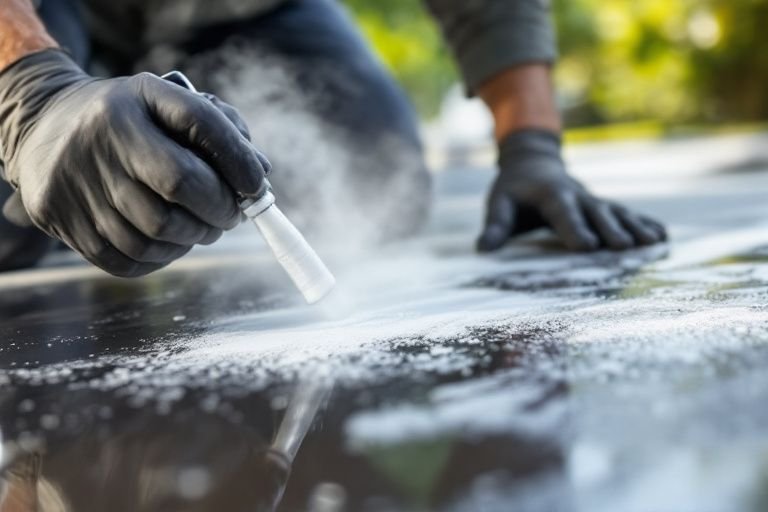
How Long Does Epoxy Primer Take to Dry? Essential Guide
Are you unsure about how long epoxy primer takes to dry? Understanding the drying time of epoxy primer is crucial for achieving a flawless finish in your projects. Inadequate drying can lead to poor adhesion and compromised durability, which can be frustrating and costly. With over 15 years of experience in the field, I will guide you through the factors that influence drying time and provide you with insights to ensure the best results. In this article, you’ll learn about the typical drying times, the impact of environmental conditions, and tips for effective application, so you can confidently complete your painting projects with epoxy primer.
Understanding Epoxy Primer
Epoxy primer is a versatile coating used in various applications, particularly in automotive and industrial settings. It serves as a strong adhesive base that promotes better bonding between surfaces and topcoats. The drying time of epoxy primer is crucial for ensuring a successful application, as it affects the durability and finish of the final coat. Understanding the factors that influence drying times is essential for achieving optimal results. Generally, epoxy primer dries through a chemical reaction known as curing, which can be affected by temperature, humidity, and the thickness of the applied layer.
Curing Process
The curing process of epoxy primer involves a chemical reaction that transforms the liquid primer into a solid form. This process can take anywhere from a few hours to several days, depending on the specific formulation of the epoxy and environmental conditions. It’s important to note that epoxy primers typically cure faster at higher temperatures and lower humidity, so these conditions should be monitored when planning application.
Importance of Drying Time
Understanding the drying time of epoxy primer is essential for achieving a high-quality finish. If a topcoat is applied too soon, it may not adhere properly, leading to peeling or bubbling. Conversely, waiting too long could result in dust settling on the surface, compromising the finish. Therefore, knowing the optimal drying and curing times can significantly impact the success of your project.
Key Points:
- Epoxy primer provides a strong base for better adhesion.
- Drying time is influenced by temperature and humidity.
Factors Affecting Drying Time
Several factors can influence how long epoxy primer takes to dry. These include environmental conditions, application method, and the specific formulation of the primer. Understanding these factors can help you better plan your application process. Typically, warmer and drier conditions will accelerate the drying time, while cooler temperatures and higher humidity can extend it. Additionally, the thickness of the applied layer directly impacts how long it takes to dry; thicker applications will take longer to cure completely.
Temperature Influence
Temperature plays a significant role in the drying time of epoxy primer. Higher temperatures can speed up the curing process, allowing for quicker handling and topcoating. Conversely, if the temperature is below the recommended range, it can significantly delay drying times. Therefore, it’s advisable to check the manufacturer’s guidelines regarding the optimal temperature range for application.
Humidity Levels
Humidity levels can also affect the drying time of epoxy primers. High humidity can slow down the curing process, as moisture in the air can interfere with the chemical reaction necessary for the primer to harden. Ideally, aim for a relative humidity level below 70% during application to ensure optimal drying conditions.
Key Points:
- Environmental conditions are critical for drying times.
- Thicker applications require longer drying periods.
Understanding Epoxy Primer Drying Times
Epoxy primer drying times can vary based on several factors, including the type of epoxy used, environmental conditions, and the thickness of the application. Generally, epoxy primer will be touch-dry within 30 minutes to 1 hour, but full curing can take up to 7 days. During this time, the primer undergoes chemical reactions that enhance its adhesion and durability. It’s essential to understand both the initial drying and the curing process to achieve optimal results in your project.
Factors Affecting Drying Time
Several factors influence how long epoxy primer takes to dry. Temperature and humidity are critical; higher temperatures can accelerate drying, while high humidity may extend it. The thickness of the coat applied also plays a role; thicker applications will naturally take longer to dry. Understanding these variables helps in planning your project timeline effectively.
Stages of Drying
The drying process of epoxy primer consists of two main stages: the initial dry and the full cure. The initial dry stage indicates that the surface is no longer tacky, allowing for handling. However, the full cure stage, where the primer achieves its maximum hardness and adhesion, typically takes much longer. Knowing these stages is crucial for determining when to proceed with subsequent coatings.
Key Points:
- Drying time can vary based on environmental conditions.
- Understanding stages of drying is crucial for project planning.
💡 Always check the manufacturer’s instructions for specific drying times.
Best Practices for Applying Epoxy Primer
To ensure optimal drying and curing of epoxy primer, it’s essential to follow best practices during application. Proper surface preparation and application techniques can significantly impact the primer’s performance and drying time. Always clean the surface thoroughly and use the right tools to achieve an even coat. Additionally, applying in controlled environmental conditions can enhance drying efficiency.
Surface Preparation Techniques
Proper surface preparation is vital for effective epoxy primer application. Start by cleaning the surface to remove dirt, grease, and previous coatings. Sanding the surface can create better adhesion by increasing texture. Use a solvent wipe to ensure the surface is free from contaminants, which can interfere with drying and adhesion.
Application Methods
The method of application can affect how long epoxy primer takes to dry. Spraying is often preferred for an even coat, but rolling or brushing can also work if done carefully. Whichever method you choose, aim for thin, even layers to promote quicker drying. Multiple thin coats are generally more effective than one thick coat.
Key Points:
- Surface preparation is crucial for adhesion and drying.
- Application method impacts drying efficiency.
💡 Maintain consistent temperature and humidity for ideal drying conditions.
EXPERT TIPS Pro Advice
Monitor Temperature and Humidity
Maintaining a stable environment can accelerate drying times significantly. Aim for a temperature between 65°F and 85°F to optimize the curing process.
Use a Fan for Air Circulation
Increasing air movement around the drying epoxy can help speed up the drying time. However, avoid direct drafts that could disrupt the curing.
Test for Tackiness
Before applying additional coats, lightly touch the surface to check for tackiness. If it feels sticky, allow more time for drying.
Plan Your Project Schedule
Understanding the full drying and curing times allows for better planning. Avoid scheduling follow-up tasks too soon to ensure optimal adhesion.
Keep Tools Clean
Ensure your application tools are clean before use. Contaminants can affect the finish and drying times, leading to potential issues later.
Frequently Asked Questions
Conclusion
Understanding the drying time of epoxy primer is essential for achieving a durable finish. Factors like temperature, humidity, and application thickness play significant roles. Always follow the manufacturer’s guidelines, and ensure proper conditions for the best results.
🎯 Key Takeaways:
- Epoxy primer dries to the touch in 4 to 6 hours.
- Ambient conditions significantly influence drying times.
- Wait for full curing before applying additional coats.
- Sanding the primer enhances paint adhesion.
- High humidity can prolong drying times.
Expert Advice: Always prioritize following drying guidelines to ensure optimal performance of your epoxy primer. Adjust environmental conditions as needed, and remember that patience is key for a successful finish.
To achieve the best results, take the time to research and prepare your workspace before starting your epoxy project.