
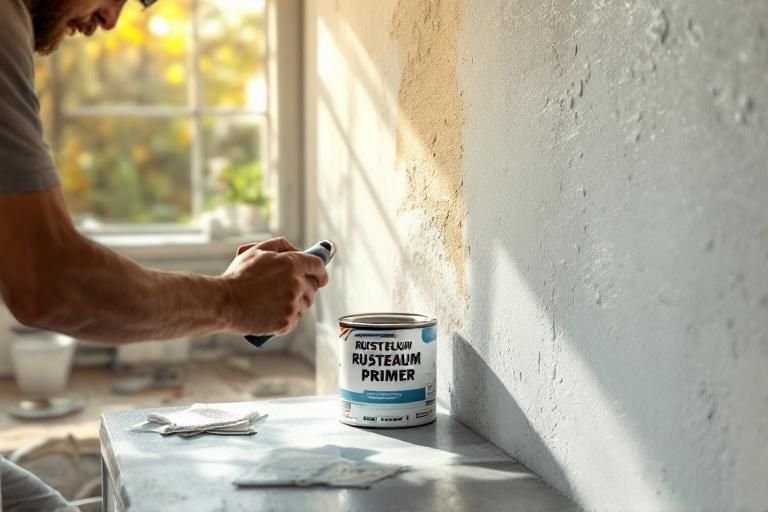
How Long to Let Rustoleum Primer Dry Before Painting?
Have you ever wondered how long to let Rustoleum primer dry before painting? Understanding the drying time is essential to ensure a smooth and durable finish. Improper drying can lead to issues such as peeling, bubbling, or uneven application, which can undermine the quality of your paint job. With over 15 years of experience in painting and surface preparation, this guide will provide you with the insights you need to achieve the best results. In this article, you will learn the recommended drying times, factors that can influence these times, and tips for ensuring optimal adhesion when painting over primer. Equip yourself with the knowledge to make your next painting project a success.
Understanding Rustoleum Primer and Its Importance
Rustoleum primer serves as a crucial base coat that enhances paint adhesion and ensures a smooth finish. The drying time before painting is vital for achieving optimal results. A well-dried primer helps prevent issues such as peeling or bubbling, which can compromise the aesthetic and durability of the topcoat. Factors influencing drying time include environmental conditions, the type of surface being primed, and the application method used. Knowing how long to let your primer dry will set the stage for successful topcoat application and a professional-looking finish.
Factors Affecting Drying Time
Several factors can influence the drying time of primer. Humidity levels play a significant role; high humidity can slow down the drying process, while low humidity may speed it up. Additionally, temperature affects the rate of evaporation of solvents in the primer. The surface material also matters; porous surfaces may absorb moisture, extending drying time. Understanding these variables will help you plan your painting schedule more effectively.
Why Proper Drying Time Matters
Allowing the primer to dry completely is essential for paint adhesion and finish quality. Insufficient drying can lead to issues such as poor paint bonding, which results in chipping or peeling over time. Moreover, painting over a wet or tacky primer can trap moisture, leading to mold or mildew growth beneath the paint. Ensuring adequate drying time prevents these problems, ultimately extending the life of your paint job.
Key Points:
- Rustoleum primer improves paint adhesion and finish quality
- Environmental factors significantly influence drying time
Recommended Drying Times for Rustoleum Primer
The recommended drying time for Rustoleum primer varies based on the specific formulation and environmental conditions. Generally, it is advisable to allow the primer to dry for at least 1 hour under optimal conditions. However, for best results, waiting 24 hours before applying a topcoat is recommended, especially in humid or cooler environments. Always refer to the product label for specific instructions, as formulations can differ. Adhering to these guidelines ensures that the primer is fully cured, allowing the subsequent paint layers to adhere properly.
Drying Time Under Different Conditions
When temperatures are around 70°F (21°C) and humidity is low, primer typically dries faster, often within an hour. Conversely, in cooler temperatures or high humidity environments, drying time can extend significantly. Monitoring these conditions will help you determine the ideal waiting period before painting, ensuring optimal adhesion and finish quality.
Testing Primer Dryness
To test if the primer is dry enough for painting, lightly touch the surface with your fingertip. If it feels tacky or leaves residue, it requires more drying time. Alternatively, a visual inspection for a uniform, matte finish can also indicate that the primer is ready for the next coat. These simple tests can help avoid the pitfalls of painting too soon.
Key Points:
- Allow at least 1 hour of drying time
- Testing primer dryness ensures optimal topcoat adhesion
Understanding Drying Times for Primer
When using Rustoleum primer, knowing the appropriate drying times is crucial for achieving a flawless finish. Generally, the primer needs to dry for at least 30 minutes to an hour before it can be painted over. However, factors such as humidity, temperature, and the specific type of primer can influence this timeline. Always refer to the manufacturer’s guidelines for the most accurate drying times to ensure optimal adhesion and coverage when applying your topcoat.
Factors Influencing Drying Time
Several environmental factors can affect how long you should wait before painting. High humidity levels can slow down the drying process, while warm temperatures can speed it up. Also, the thickness of the primer layer matters; thicker applications will take longer to dry. Monitoring these conditions can help you determine the best time to apply your paint.
Testing for Dryness
To ensure that the primer is adequately dried, conduct a simple touch test. Lightly touch an inconspicuous area; if it feels tacky or sticky, it needs more time. Alternatively, you can perform a ‘dry to the touch’ test by lightly dragging your finger across the surface. If no residue comes off, it’s likely ready for painting.
Key Points:
- Drying times vary by environmental conditions.
- Always refer to manufacturer guidelines for best results.
💡 Always check the humidity and temperature before beginning your project.
Best Practices for Applying Topcoat
Once the primer has dried sufficiently, the next step is to apply your topcoat. It’s essential to choose the right timing for applying paint, as doing so too early or late can compromise the finish. Ideally, you should apply the topcoat within the recommended window specified by the primer manufacturer, which is usually within 24 hours for optimal adhesion. If you wait longer, lightly sanding the primed surface can help the paint adhere better.
Timing Your Paint Application
After the primer dries, aim to apply your paint within a few hours to a day. This timing allows the paint to bond with the primer effectively, reducing the likelihood of peeling or chipping. If you miss this window, consider lightly sanding the surface to create a better grip for the paint.
Layering Techniques
When painting over primer, it’s crucial to apply multiple thin coats rather than one thick layer. This approach not only promotes better drying but also leads to a smoother finish. Each coat should be allowed to dry properly before applying the next, usually following the primer’s drying times as a guideline.
Key Points:
- Apply topcoat within recommended time for best adhesion.
- Consider sanding if more than 24 hours have passed.
💡 Apply multiple thin coats for a smoother finish.
EXPERT TIPS Pro Advice
Monitor environmental conditions closely
Drying times can vary significantly based on humidity and temperature. Keeping an eye on these factors helps prevent issues with adhesion and finish quality.
Use a fan to aid drying
Circulating air can speed up drying times, especially in humid conditions. A fan directed at the primed surface can help ensure it dries adequately before painting.
Verify manufacturer instructions
Each primer may have specific instructions regarding drying times and topcoat application. Always check the guidelines for best results.
Consider the surface material
Different surfaces (wood, metal, etc.) may interact differently with primer and paint. Understand how your surface affects drying times and adhesion.
Plan your project timing
Schedule your painting project to allow for drying times. Avoid rushing through steps to ensure a high-quality final result.
Frequently Asked Questions
Conclusion
Letting Rustoleum primer dry properly is crucial for achieving a high-quality paint finish. Allow at least 30 minutes to an hour for initial drying, but aim for 24 hours for best results. Consider environmental factors and always check for tackiness before proceeding.
🎯 Key Takeaways:
- Minimum drying time is 30 minutes; 24 hours is ideal.
- Temperature and humidity impact drying time.
- Do not paint over tacky primer.
- Sanding the primer improves adhesion.
- Check the primer’s firmness to confirm it’s dry.
Expert Advice: Always prioritize proper drying times and environmental conditions to ensure your paint project turns out successfully. A little patience can go a long way in achieving a professional finish.
Take the time to prepare your surfaces correctly and enjoy the satisfaction of a well-executed paint job!