
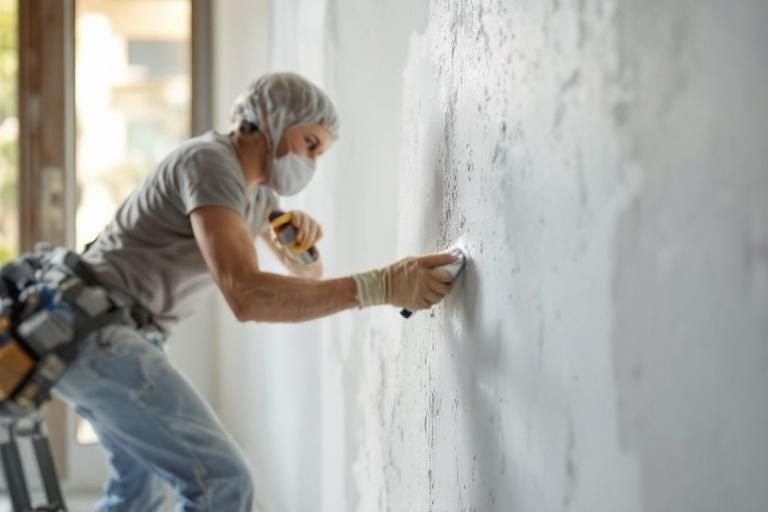
How Long Does Kilz Primer Take to Dry? Essential Guide
Have you ever wondered how long does Kilz primer take to dry before you can apply your topcoat? Understanding the drying time of primer is crucial for any painting project, as it can significantly impact the final results. With over 15 years of experience in the field, I can provide you with insights into the factors that influence drying times, including temperature, humidity, and the type of surface being primed. In this article, you’ll learn not only the average drying times for Kilz primer but also tips to ensure optimal conditions for drying, common mistakes to avoid, and how to effectively plan your painting project around these timelines. Let’s dive into the details!
Understanding Kilz Primer and Its Application
Kilz primer is a well-known product used to prepare surfaces for painting. It enhances paint adhesion, covers stains, and provides a uniform base for topcoats. Understanding the drying time of Kilz primer is essential to achieving a successful finish. Generally, drying times can vary based on conditions such as temperature and humidity, which can significantly affect how long it takes for the primer to dry completely. Knowing these factors will help ensure the best results for your painting project.
Factors Affecting Drying Time
Several factors can influence the drying time of Kilz primer. Temperature plays a crucial role; warmer conditions typically speed up the drying process, while colder temperatures slow it down. Humidity levels also matter; high humidity can prolong drying times. Additionally, the thickness of the primer application can impact how long it takes to dry. Thicker layers will take longer to dry than thinner ones.
Drying vs. Curing
It’s important to distinguish between drying and curing. Drying refers to the time it takes for the surface of the primer to feel dry to the touch, while curing is the process where the primer fully hardens and bonds to the surface. Kilz primer may feel dry in as little as 30 minutes, but full curing can take several days, depending on environmental conditions.
Key Points:
- Temperature and humidity significantly affect drying times.
- Understanding the difference between drying and curing is essential.
Typical Drying Times for Kilz Primer
The typical drying time for Kilz primer can vary based on the specific formulation and environmental conditions. Generally, it dries to the touch within 30 minutes to 1 hour, allowing for re-coating in about 1 hour under optimal conditions. However, it’s crucial to wait longer for the best results, especially if you’re applying multiple coats or working in less than ideal conditions. Always check the manufacturer’s recommendations for the specific product you are using, as different formulations may have different drying times.
Recommended Recoating Times
After the primer has dried to the touch, it’s advisable to wait at least 1 hour before applying a second coat. For best results, waiting 2-4 hours before recoating can provide a more robust and effective base for the topcoat. This additional wait time helps ensure adequate adhesion and an even finish.
Environmental Considerations
When working with Kilz primer, consider the environmental conditions. Ideal temperatures are between 50°F and 90°F, with humidity levels below 70%. If working in colder or more humid environments, expect longer drying times. It’s always best to avoid painting in extreme weather conditions to achieve optimal results.
Key Points:
- Typical drying time is 30 minutes to 1 hour for touch-dry.
- Recoat after at least 1 hour for optimal adhesion.
Understanding Drying Times for Kilz Primer
Drying times for Kilz primer vary based on several factors, including environmental conditions and the type of surface being primed. Generally, Kilz primer can take 30 minutes to 1 hour to become dry to the touch. However, full curing can extend up to 24 hours. It’s essential to consider humidity, temperature, and air circulation, as these elements greatly influence drying times. In humid conditions, for instance, the drying process may be significantly prolonged. Properly understanding these aspects will help ensure optimal application and results.
Temperature Impact
Temperature plays a crucial role in the drying process of Kilz primer. Ideally, the application environment should be between 50°F and 90°F. At lower temperatures, the evaporation of solvents slows down, resulting in longer drying times. Conversely, higher temperatures can accelerate drying but may also lead to issues like uneven texture. Monitoring the temperature can help achieve a balanced drying time.
Humidity Levels
Humidity levels significantly influence the drying time of Kilz primer. High humidity can lead to moisture retention, prolonging the drying process. It is advisable to aim for relative humidity levels below 70% for optimal drying conditions. In high humidity, consider using dehumidifiers or fans to improve air circulation and speed up the drying time.
Key Points:
- Kilz primer typically dries to the touch in 30 minutes to 1 hour.
- Environmental factors like temperature and humidity can significantly affect drying times.
💡 Always check the weather conditions before applying primer; this helps in planning your project effectively.
💡 Use a fan to enhance airflow in the area where you are priming; increased air circulation can greatly reduce drying times.
Best Practices for Applying Kilz Primer
To ensure effective application and optimal drying of Kilz primer, following best practices is crucial. Start by preparing the surface thoroughly; clean and sand it to promote better adhesion. After application, allow sufficient time for the primer to dry before proceeding with paint. Testing a small area can help gauge drying times and compatibility with subsequent layers. These practices not only improve drying efficiency but also enhance the overall quality of the finish.
Surface Preparation
Preparing the surface is vital for the primer’s effectiveness. Ensure the surface is clean, dry, and free from dust or grease. For porous surfaces, consider sanding to create a smoother texture and better adhesion. Proper preparation ensures a more uniform application and can help reduce drying times.
Application Techniques
Utilizing the correct application technique can influence both drying time and finish quality. Apply the primer using even strokes, avoiding heavy layers that can trap moisture. A thin, even coat will dry more uniformly and quickly compared to thick applications. Consider using a brush or roller suited for the specific surface type.
Key Points:
- Surface preparation and application techniques are key to effective priming.
- Thin layers of primer dry faster and provide a more uniform finish.
💡 Always apply primer in thin, even layers to promote faster drying and better adhesion.
💡 Conduct a small patch test to ensure compatibility with your surface and the subsequent paint layers.
EXPERT TIPS Pro Advice
Plan your project timing based on environmental conditions.
Understanding local weather patterns can help you choose the best days for priming, thus ensuring optimal drying times and project efficiency.
Use a moisture meter for accurate humidity readings.
This tool helps you understand if conditions are suitable for priming, allowing you to adjust your plans accordingly.
Consider the primer’s recoat time.
Waiting for the primer to fully cure before applying paint ensures better adhesion and a smoother finish.
Frequently Asked Questions
Conclusion
Understanding the drying times of Kilz primer is essential for achieving a flawless finish. Generally, it dries to the touch in about 30 minutes, while full curing may take 24 hours. Environmental factors play a significant role in these times, so always assess conditions before proceeding.
🎯 Key Takeaways:
- Kilz primer dries to the touch in 30 minutes to 1 hour.
- Drying time is affected by temperature, humidity, and ventilation.
- Wait at least 1 hour before applying a second coat.
- Complete drying ensures better paint adhesion.
Expert Advice: Always prioritize thorough drying and curing times when working with primer. This will enhance the longevity and quality of your finish.
Assess your workspace conditions and plan your painting project accordingly for the best results.