
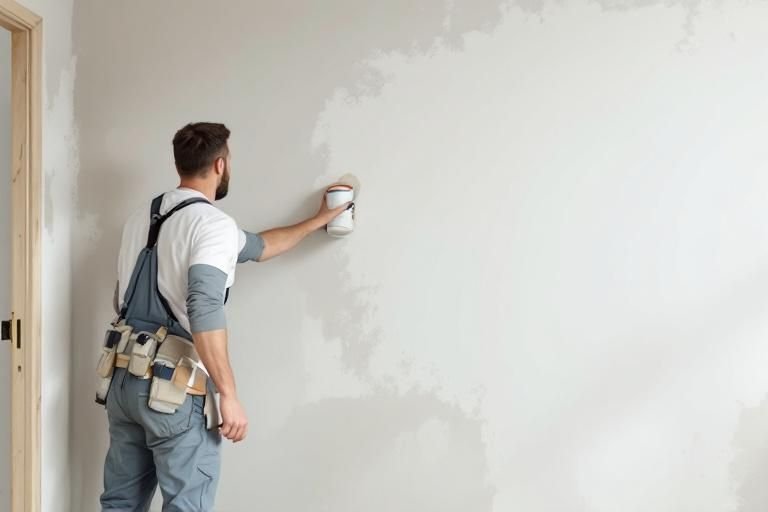
How Many Coats of PVA Primer on New Drywall?
Are you preparing to paint new drywall and wondering how many coats of PVA primer on new drywall you should apply? The right primer application is crucial for achieving a smooth and durable finish, yet many DIYers overlook this essential step. With over 15 years of experience in home improvement and painting techniques, I’m here to guide you through the best practices for priming your drywall. In this article, you will learn about the recommended number of coats, the benefits of using PVA primer, and tips for ensuring even coverage. Whether you’re a seasoned painter or a novice, understanding how to properly prime new drywall will set the stage for a beautiful and long-lasting paint job.
Understanding PVA Primer and Its Importance
PVA primer, or polyvinyl acetate primer, is a highly effective sealant for new drywall. It helps to create a uniform surface that enhances paint adhesion, reduces the likelihood of peeling, and minimizes the absorption of moisture. For new drywall, using PVA primer is vital because it can prevent the surface from absorbing too much paint, which can lead to uneven finishes and increased paint costs. Understanding how many coats of PVA primer to apply can significantly affect the final outcome of your painting project.
Why Use PVA Primer on New Drywall?
New drywall is porous and can absorb paint unevenly. PVA primer acts as a barrier, sealing the surface and ensuring an even coat of paint. This not only improves the appearance but also extends the life of the paint job by preventing moisture damage and peeling.
The Role of Coats in Primer Application
Applying the right number of primer coats is essential for achieving optimal results. Generally, one coat may suffice for non-porous surfaces, while new drywall often benefits from two coats. Each coat helps to fill in the imperfections and creates a smoother base for paint.
💡 Applying PVA primer ensures an even surface for painting
💡 Two coats can save on paint and improve durability
Determining the Number of Coats Needed
The number of coats of PVA primer required on new drywall can depend on several factors, including the texture of the drywall, the application method, and the desired finish. Generally, two coats are recommended for maximum effectiveness. The first coat penetrates the drywall, while the second coat enhances coverage and adhesion. Always allow the first coat to dry completely before applying the second, as this ensures the best results.
Assessing Drywall Texture
Smooth drywall surfaces typically require fewer coats than textured surfaces. Textured drywall can absorb more primer, leading to a higher need for additional coats. Assess the surface before starting to determine if one or two coats will be necessary.
Environmental Factors Affecting Primer Application
Humidity and temperature can impact the drying time and effectiveness of PVA primer. High humidity can slow drying, which may necessitate additional coats. Ensure the environment is conducive for application by maintaining optimal conditions during the priming process.
💡 Consider the texture of your drywall for coat decisions
💡 Monitor environmental conditions for best primer application
Understanding PVA Primer and Its Role in New Drywall
PVA primer, or polyvinyl acetate primer, is essential for preparing new drywall for painting. Its primary function is to seal the porous surface of drywall, preventing uneven absorption of paint and enhancing adhesion. Typically, one coat of PVA primer suffices for most situations, but factors like drywall texture and environmental conditions can influence this. Assessing the condition of your drywall before applying primer ensures optimal results, as poorly primed surfaces can lead to paint peeling or uneven finishes.
Benefits of Using PVA Primer
Using PVA primer on new drywall offers several advantages. It reduces the porosity of the drywall, making it easier for paint to adhere evenly. This results in a smoother finish and minimizes the number of paint coats needed. Furthermore, it helps to prevent the drywall from absorbing too much moisture from the paint, which can lead to bubbling and peeling over time.
Factors Influencing the Number of Coats
The number of coats of PVA primer required can vary based on several factors. If the drywall has a textured surface or is particularly absorbent, a second coat may be advisable. Additionally, environmental conditions such as humidity and temperature can affect primer drying times and adhesion, which may necessitate more than one coat for optimal results.
Key Points:
- One coat of PVA primer is usually sufficient, but assess your drywall’s condition.
- Environmental factors can impact the primer’s effectiveness and may require additional coats.
💡 Always inspect drywall for damage before priming to ensure a smooth finish.
💡 Consider a second coat of primer if the finish feels rough or absorbs too quickly.
Application Techniques for PVA Primer on New Drywall
Applying PVA primer correctly is crucial for achieving the desired results on new drywall. Proper techniques can enhance the primer’s effectiveness and ensure a long-lasting paint job. Start by using a roller for large areas and a brush for corners and edges to ensure full coverage. Allow the primer to dry completely between applications, as this can significantly affect the adhesion of the paint.
Tools and Techniques for Application
Using the right tools makes a significant difference in the application process. A high-quality roller can cover large areas quickly, while a brush is ideal for detailed work. For best results, apply the primer in even strokes and avoid overloading the roller or brush, which can lead to drips and uneven coverage.
Drying Time and Conditions
PVA primer typically requires a drying time of about 1 to 2 hours, depending on the humidity and temperature of the environment. Ensure that the room is well-ventilated to speed up the drying process. If the primer feels tacky after drying, it may need additional time before applying paint, or you may consider a second coat.
Key Points:
- Even application of primer is key to avoiding an uneven paint finish.
- Monitor drying times closely to ensure proper paint adhesion.
💡 Use a roller with a nap suited for smooth surfaces to achieve a consistent finish.
💡 Ensure good ventilation to facilitate faster drying and reduce moisture retention.
EXPERT TIPS Pro Advice
Assess the drywall’s surface before priming.
Checking for imperfections allows for repairs before priming, resulting in a smoother finish and better paint adhesion.
Use a primer compatible with the final paint.
Ensuring compatibility between the primer and paint type prevents issues like peeling and enhances durability.
Keep the primer container sealed when not in use.
Sealing the container prevents moisture from entering, maintaining the primer’s effectiveness for future applications.
Frequently Asked Questions
Conclusion
Applying PVA primer on new drywall is crucial for achieving a professional finish. Typically, two coats are recommended for optimal results, with proper drying time and surface preparation enhancing paint adhesion. Remember to sand the drywall and use suitable application methods for best coverage.
🎯 Key Takeaways:
- Use two coats of PVA primer for new drywall.
- PVA primer seals porous surfaces effectively.
- Do not skip priming to ensure even paint absorption.
- Allow adequate drying time between coats.
- Lightly sand drywall for better primer adhesion.
Expert Advice: For the best results, take your time in preparation and application. Proper priming will lead to a smoother, longer-lasting paint finish.
Now that you understand the importance of PVA primer, start your drywall project with confidence and ensure a flawless finish!