
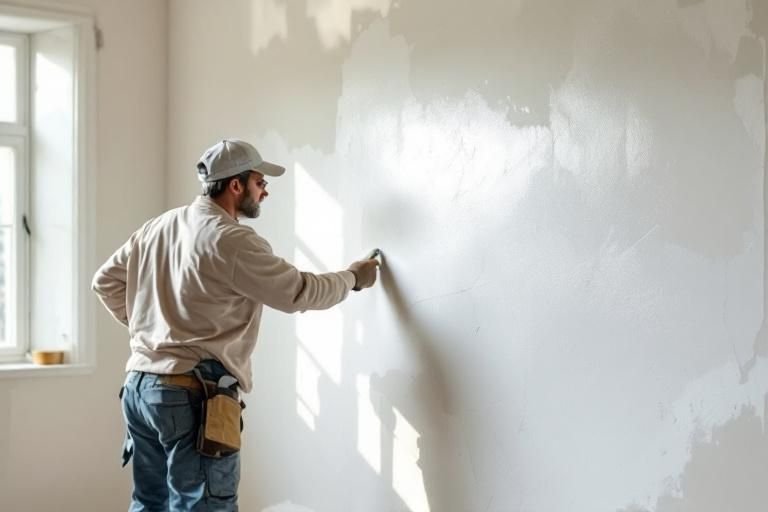
How Many Coats of Primer on New Drywall? Essential Guide
Are you unsure about how many coats of primer on new drywall are necessary for a perfect finish? Many DIYers and professionals alike overlook the critical step of priming, which can lead to uneven paint application and poor adhesion. With over 15 years of experience in the home improvement industry, I understand the importance of proper drywall preparation. In this article, you will learn the optimal number of primer coats needed, the factors that influence this decision, and expert tips to ensure a smooth and durable paint job. Whether you’re tackling a small repair or a large renovation, understanding the priming process is essential to achieving stunning results.
Understanding Primer and Its Importance
Primer is a crucial layer in the painting process, especially on new drywall. It serves to seal the porous surface of the drywall, ensuring an even application of paint. When new drywall is installed, it tends to absorb moisture and paint unevenly, leading to a lackluster finish. By applying primer, you create a uniform surface that enhances paint adhesion and improves durability. This step is essential for achieving a professional-looking result, as it can significantly affect the longevity and appearance of the final coat of paint.
What Does Primer Do?
Primer acts as a base coat that seals the porous surface of new drywall, preventing uneven absorption of paint. It enhances the adhesion of the topcoat, ensuring that the paint adheres properly and lasts longer. Additionally, primer helps in hiding any imperfections, providing a smooth surface for the final paint application.
Types of Primer for Drywall
There are different types of primer suitable for drywall, including latex and oil-based primers. Latex primers are water-based, quick-drying, and easy to clean up, making them ideal for most drywall applications. Oil-based primers, on the other hand, provide excellent stain-blocking capabilities and are often used in specific situations where moisture or stains might be an issue.
Key Points:
- Primer is essential for sealing new drywall surfaces.
- Choosing the right type of primer can enhance paint adhesion.
Determining the Number of Coats of Primer Needed
The number of primer coats required on new drywall can vary based on several factors, including drywall texture, paint type, and the desired finish. Generally, one coat of primer is sufficient for most new drywall installations, especially if using a high-quality primer. However, in areas with high humidity or stains, a second coat may be beneficial. Evaluating the texture and color of the drywall can also influence how many coats are necessary to achieve an even base for the topcoat.
Factors Influencing the Number of Coats
Several factors can affect the number of primer coats needed, including the texture of the drywall and the color of the paint. Textured surfaces may require an additional coat to ensure full coverage. Similarly, if you are transitioning from a darker to a lighter paint color, a second coat of primer can help to prevent the darker shades from bleeding through.
When to Apply a Second Coat
A second coat of primer is advisable if the first coat appears uneven or if the drywall is particularly porous. Additionally, in high-moisture areas such as bathrooms or kitchens, a second coat can enhance durability and moisture resistance, providing a stronger base for the final paint layer.
Key Points:
- One coat of primer is typically sufficient for new drywall.
- Consider additional coats based on drywall texture and paint color change.
Understanding Primer on New Drywall
When working with new drywall, applying primer is essential for achieving a smooth, even finish. Primer serves as a preparatory coating that enhances paint adhesion, improves the appearance of the final coat, and prevents the drywall from absorbing too much paint. The general guideline is to apply one coat of primer, but factors like the drywall type, texture, and the paint being used can influence this decision significantly. In some cases, a second coat may be warranted, especially on porous surfaces or when using lighter paint colors.
Factors Influencing Primer Application
The need for multiple coats of primer can depend on various factors, including the texture and porosity of the drywall. Smooth drywall typically requires just one coat, while textured surfaces may benefit from an additional coat to ensure complete coverage and proper adhesion. Additionally, if you are transitioning from a dark to a light color, a secondary coat of primer may be necessary to prevent color bleed-through.
Signs You Need More Than One Coat
If the primer appears uneven or the drywall is still showing through after the first coat, a second coat may be required. Look for signs of discoloration or patchiness, particularly around joints and corners. A second coat can help achieve a uniform surface, ensuring that the paint adheres properly and lasts longer.
Key Points:
- Primer is essential for improving paint adhesion and finish quality.
- Consider the texture and color transitions when deciding on the number of primer coats.
💡 Ensure the drywall is clean and dust-free before applying primer to enhance adhesion and effectiveness.
💡 Use a roller for large areas and a brush for edges to achieve a uniform application and coverage.
💡 Test your primer on a small area to check for coverage and compatibility with your chosen paint.
Application Techniques for Primer on New Drywall
Proper application techniques are crucial when priming new drywall to ensure that the surface is adequately prepared for painting. Start by selecting the right tools, which include rollers, brushes, or sprayers, depending on the size of the area and the desired finish. Applying primer in even strokes and maintaining a wet edge can prevent lap marks and ensure a consistent application. Additionally, timing is important; allow sufficient drying time between coats if applying more than one.
Choosing the Right Tools
For large wall areas, a roller is typically the best choice as it covers more surface area quickly and evenly. A brush should be used for corners and edges to ensure every part of the drywall is primed. Some professionals prefer sprayers for a smoother finish, but this requires more skill and experience.
Drying Time Considerations
Understanding drying times is essential to avoid mishaps during application. Most primers require a drying time of 1-3 hours before a second coat can be applied. Always follow the manufacturer’s guidelines regarding drying times, as humidity and temperature can affect drying speed.
Key Points:
- Proper technique and tool selection are vital for effective primer application.
- Allow adequate drying time between coats to achieve the best results.
💡 Apply primer in the same direction to ensure an even coat and reduce the risk of streaks.
💡 Consider using a tinted primer to match your topcoat color, which can reduce the number of paint coats needed.
💡 Keep a wet edge when applying primer to prevent lap marks that can affect the final finish.
EXPERT TIPS
Pro Advice
Use a high-quality primer
A high-quality primer provides better adhesion and coverage, ensuring the longevity of your paint job.
Consider the environmental conditions
Temperature and humidity can significantly affect drying times, so adjust your schedule accordingly to avoid issues.
Watch for moisture issues
Ensure the drywall is dry and free from moisture before priming, as this can cause peeling and bubbling later.
Frequently Asked Questions
Conclusion
When preparing new drywall for painting, applying two coats of primer is essential for optimal adhesion and a smooth finish. Always sand the surface before priming and allow adequate drying time between coats to achieve the best results.
🎯 Key Takeaways:
- Use two coats of primer on new drywall.
- Primer seals and prepares the surface for paint.
- Avoid using paint instead of primer for better results.
- Sand drywall before priming for a smoother finish.
- Allow proper drying time between primer coats.
Expert Advice: For the best outcome, always prioritize proper preparation and application techniques when working with new drywall. This will ensure a long-lasting and visually appealing finish.
Consider these tips when priming your drywall, and take the next step in your painting project with confidence!