
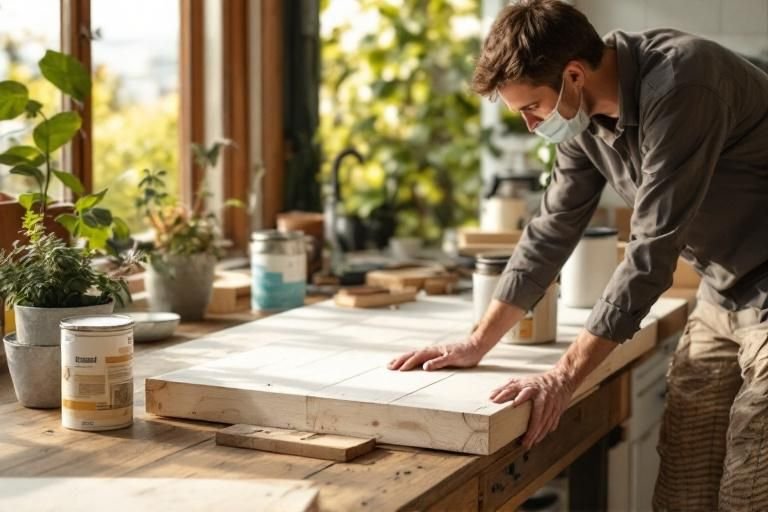
How Many Coats of Primer on Wood for Best Results?
Are you struggling to achieve a flawless finish on your wood projects? Understanding how many coats of primer on wood you need is essential for ensuring a smooth and durable surface. In the world of woodworking and painting, primer serves as a crucial foundation that enhances adhesion and protects the wood from moisture and damage. With over 15 years of experience in home improvement and painting techniques, I will guide you through the intricacies of primer application. In this article, you’ll learn about the factors that influence the number of primer coats required, the best practices for application, and common pitfalls to avoid. Get ready to elevate your woodworking projects with the right priming techniques!
Understanding the Role of Primer on Wood
Primer plays a crucial role in preparing wood surfaces for painting. It helps seal the wood, providing an even base for paint adhesion, and enhances the durability of the final finish. The application of primer can prevent issues like peeling, flaking, and uneven color. Additionally, using the right number of coats ensures that the wood grain is adequately covered, which is especially important for raw or porous woods. For most projects, one to two coats of primer is typically sufficient, but factors such as wood type and the desired finish should be considered.
Types of Wood and Their Primer Needs
Different types of wood have varying porosities, which affects how many coats of primer are needed. Softwoods, like pine, often absorb primer more readily than hardwoods, necessitating more coats to achieve a uniform surface. Conversely, hardwoods may require fewer coats but still benefit from at least one to ensure proper adhesion and sealing.
Environmental Considerations
The environment where the wood is located can influence the number of primer coats required. For outdoor wood exposed to moisture or sunlight, additional primer coats can help protect against weathering. In contrast, indoor wood surfaces may require less, depending on humidity levels and temperature fluctuations.
Key Points:
- Primer seals and prepares wood for paint
- Wood type affects primer absorption
Determining the Right Number of Coats
When deciding how many coats of primer to apply on wood, several factors come into play. Generally, one coat is suitable for already finished or sealed surfaces, while raw wood typically benefits from two coats to ensure thorough coverage. Multiple coats may also be necessary when transitioning from a dark to a light color, as this helps prevent the previous hue from bleeding through. Keep in mind that applying too many coats can lead to a thick buildup that may affect the final paint application.
Assessing Surface Condition
Before applying primer, evaluate the wood surface condition. If it is rough or has blemishes, additional coats may be required to create a smooth finish. Sanding the surface before priming can also help reduce the number of coats needed by improving adhesion and coverage.
Choosing the Right Primer Type
The type of primer selected can also influence the number of coats needed. Stain-blocking primers might require fewer coats, especially on surfaces prone to discoloration. Conversely, water-based primers can necessitate additional coats on porous woods to achieve the desired sealing effect.
Key Points:
- One coat may suffice for finished surfaces
- Surface condition impacts primer requirements
Understanding the Role of Primer on Wood
Primer plays a crucial role in preparing wood surfaces for painting. It enhances adhesion, improves the durability of the paint, and ensures an even finish. When applying primer to wood, the number of coats required can depend on various factors including the type of wood, its porosity, and the desired finish. Generally, one to two coats of primer are sufficient for most projects, but specific conditions may require adjustments. Understanding these aspects will help in achieving optimal results.
Factors Influencing Primer Coats
The type of wood significantly affects how many coats of primer you’ll need. Softer woods like pine may absorb more primer due to their porous nature, often requiring two coats. In contrast, hardwoods may need only one coat if properly sanded and cleaned beforehand.
Desired Finish and Paint Type
The finish you aim for also dictates the number of primer coats. For a deep, rich color or a glossy finish, two coats of primer may be necessary to block stains and ensure uniformity. Using a high-quality paint can sometimes reduce the need for extra primer.
Key Points:
- Primer enhances paint adhesion and durability.
- The type of wood and desired finish influence the number of primer coats needed.
💡 Always sand the wood before applying primer to improve adhesion and reduce the number of coats needed.
💡 Use a tinted primer if you’re painting with a dark color to minimize the number of topcoat layers required.
Application Techniques for Primer on Wood
Proper application techniques can significantly impact the effectiveness of primer on wood. Techniques like brushing, rolling, or spraying can yield different results. Additionally, environmental conditions such as temperature and humidity can affect drying times and the number of coats required. Understanding these practices can help ensure a smoother finish and better paint adherence.
Application Methods
Brushing is ideal for detailed work, while rolling provides a quick coverage for larger areas. Spraying can achieve a smooth, even coat but requires more preparation. Choose the method based on the project size and desired finish.
Drying Times and Conditions
Ensure you allow adequate drying time between coats. Typically, primer should dry for at least one hour, but cooler temperatures or high humidity can prolong this. Always check the manufacturer’s recommendations for specific drying times.
Key Points:
- Application method affects coverage and finish quality.
- Environmental conditions can impact drying times and adhesion.
💡 Apply primer in thin, even coats to avoid drips and ensure a smooth finish.
💡 Consider the weather; apply primer when temperatures are moderate to enhance drying and adhesion.
EXPERT TIPS Pro Advice
Choose the right primer for your wood type.
Different primers are formulated for specific wood types. Using the right primer enhances adhesion and reduces the number of coats needed.
Test a small area before full application.
Testing a small area can reveal how the wood absorbs primer and help determine if additional coats are necessary.
Inspect for imperfections before priming.
Filling gaps and sanding rough spots before applying primer will lead to a more uniform finish and better paint adhesion.
Frequently Asked Questions
Conclusion
Applying the right number of primer coats on wood is essential for achieving a smooth and durable finish. Generally, two coats are advised for bare wood, allowing for proper sealing and adhesion. Sanding between coats and allowing adequate drying time further enhances the result.
🎯 Key Takeaways:
- Two coats of primer are usually recommended for bare wood.
- Primer improves paint adhesion and finish quality.
- Sanding between primer coats ensures a smooth surface.
- Skipping primer can lead to poor paint performance.
Expert Advice: For the best results, always assess the wood type and condition before deciding on the number of primer coats. Proper preparation leads to a more professional and lasting finish.
Consider your project’s specific needs and plan your primer application accordingly.