
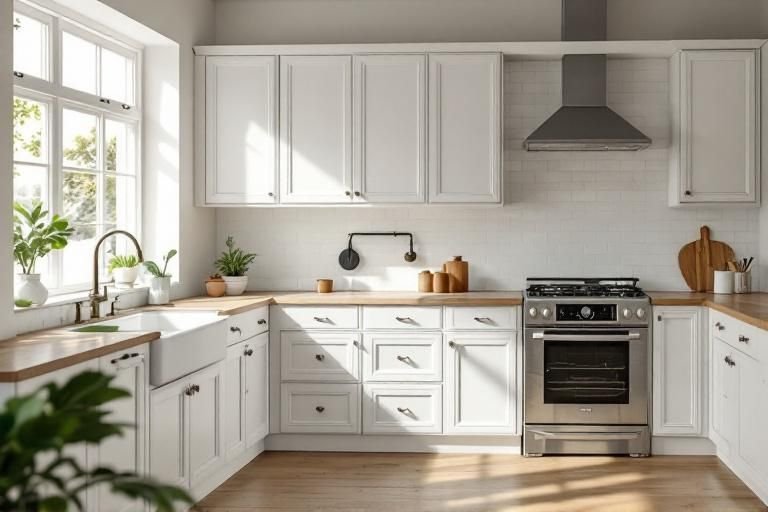
How Many Coats of Primer on Cabinets: Expert Guide
Are you wondering how many coats of primer on cabinets are necessary for a professional-looking finish? Many DIY enthusiasts and homeowners often overlook the importance of proper primer application, leading to subpar results. With over 15 years of experience in home improvement and painting techniques, I can help demystify this crucial step in cabinet refinishing. In this article, you’ll learn not only the ideal number of primer coats to apply but also the factors that influence this decision, such as cabinet material and desired finish. Prepare to transform your cabinets into stunning focal points in your home with the right primer application.
Understanding Primer for Cabinets
Primer plays a crucial role in preparing cabinets for painting. It ensures better adhesion of paint, enhances durability, and can help hide imperfections. For cabinets, using the right type of primer is essential, as it sets the foundation for the final finish. A good primer not only improves the aesthetic appeal but also prolongs the lifespan of the cabinetry. It’s important to evaluate the surface material, condition, and desired finish to determine how many coats of primer are needed.
Types of Primer
There are two main types of primer: oil-based and water-based. Oil-based primers are ideal for sealing knots and stains, providing a strong bond. Water-based primers, on the other hand, dry faster and are easier to clean up. Choosing the right primer type based on your cabinet material and the final paint can significantly affect the outcome.
Surface Preparation
Before applying primer, it’s crucial to prepare the cabinet surfaces. This includes cleaning, sanding, and filling any holes or cracks. Proper surface preparation ensures that the primer adheres effectively, creating a smooth base for subsequent paint layers. Skipping this step can lead to poor adhesion and an uneven finish.
💡 Choose the right primer type for your cabinet material
💡 Ensure all surfaces are clean and dry before primer application
How Many Coats of Primer?
The number of primer coats needed on cabinets can vary based on several factors, including the cabinet material, the existing finish, and the desired final color. Generally, one coat is sufficient for bare wood or previously painted surfaces in good condition. However, two coats may be necessary for darker colors or stained wood to ensure uniform coverage and prevent bleed-through. Evaluating these factors will help determine the best approach for your specific project.
Factors Influencing the Number of Coats
Several factors influence the number of primer coats required. For instance, if the cabinets are stained or have a dark finish, a second coat may be needed to fully cover the existing color. Additionally, the texture of the wood can impact absorption rates, requiring more primer for a smooth finish.
Testing Coverage
To determine how many coats of primer are needed, conduct a test area on an inconspicuous spot. Apply one coat, let it dry, and evaluate the coverage. If the surface shows through, a second coat is advisable. This simple test can save time and materials in the long run.
💡 Always test your primer on a small area first
💡 Use a light hand when applying to avoid drips
Understanding Primer for Cabinets
When preparing cabinets for painting, the type and number of primer coats play a crucial role in the final finish. Generally, one to two coats of primer are recommended, depending on the surface material and the desired outcome. A single coat may suffice for previously painted surfaces, while raw wood or drastic color changes typically necessitate two coats. The primer helps to seal the wood, block stains, and provide a good adhesion for the topcoat, ensuring a durable and smooth finish that can withstand daily use.
Types of Primer
Different types of primers are suited for various materials. Oil-based primers are excellent for sealing wood and preventing tannin bleed, while water-based primers dry quickly and are easier to clean up. For laminate cabinets, a bonding primer is essential to ensure proper adhesion. Understanding the right type helps in determining the number of coats needed.
Surface Preparation
Proper surface preparation is critical before applying primer. Cabinets should be cleaned, sanded, and wiped down to remove dust and grease. If the surface is rough or has imperfections, a second coat of primer can help achieve a smoother finish. Always ensure the surface is dry and free from contaminants before priming.
Key Points:
- Choosing the right type of primer can reduce the number of necessary coats.
- Proper surface preparation is essential for optimal adhesion and finish.
💡 Always test the primer on a small area to check for compatibility.
💡 Use a high-quality brush or roller for even application.
💡 Consider the final paint color when choosing primer to minimize the number of coats needed.
Application Techniques for Primer Coats
To achieve the best results with primer application on cabinets, technique is key. Applying primer evenly and with the right tools can significantly affect the final appearance. For optimal coverage, use a high-density foam roller or a brush designed for cabinetry. Allow adequate drying time between coats, typically 1 to 4 hours depending on conditions, to ensure proper adhesion and prevent peeling.
Applying the First Coat
When applying the first coat of primer, start with edges and hard-to-reach areas using a brush, then use a roller for flat surfaces. This technique helps prevent drips and ensures even coverage. Be mindful of overlapping strokes to avoid visible lines, and work in manageable sections to maintain a wet edge.
Assessing Coverage for Second Coat
After the first coat dries, assess the coverage by checking for any uneven areas or spots that may require additional priming. If you notice wood grain or darker colors showing through, a second coat is advisable. Remember to lightly sand between coats for better adhesion and a smoother finish.
Key Points:
- Technique and tools used can influence the quality of primer application.
- Proper assessment after the first coat is vital to determine if a second coat is necessary.
💡 Always work in a well-ventilated area to help the primer dry evenly.
💡 Use a paint sprayer for a smoother finish, especially on large surfaces.
💡 Keep the humidity low while painting to accelerate drying time and improve adhesion.
EXPERT TIPS Pro Advice
Test for Compatibility
Testing primer on a small, inconspicuous area can save time and prevent issues with peeling or incompatibility with the cabinet material.
Use Appropriate Tools
Choosing the right application tools, like high-density rollers or fine brushes, ensures even coverage and reduces the likelihood of brush marks.
Allow Adequate Drying Time
Following the manufacturer’s recommendations for drying times between coats can prevent peeling and ensure the best adhesion for the topcoat.
Sand Between Coats
Lightly sanding between primer coats helps to create a smoother surface for the topcoat, leading to a more professional finish.
Avoid Over-Priming
Applying too many coats of primer can lead to a thick buildup, which may affect the adhesion and finish of the final paint. Aim for just one or two coats as necessary.
Frequently Asked Questions
Conclusion
Priming cabinets is a vital step in achieving a professional-looking finish. Generally, two coats of primer are recommended to ensure proper adhesion and coverage. Selecting the right primer and allowing adequate drying time are essential for the best results.
🎯 Key Takeaways:
- Two coats of primer enhance adhesion and coverage.
- Primer prevents stains and ensures durability.
- Light sanding between coats improves smoothness.
- Choose a primer suitable for wood surfaces.
Expert Advice: Investing time in properly priming your cabinets will pay off with a smoother, longer-lasting finish. Don’t rush the process; each step is crucial for achieving a professional look.
Consider starting your cabinet project by assessing your current surfaces and gathering the necessary materials for priming.