
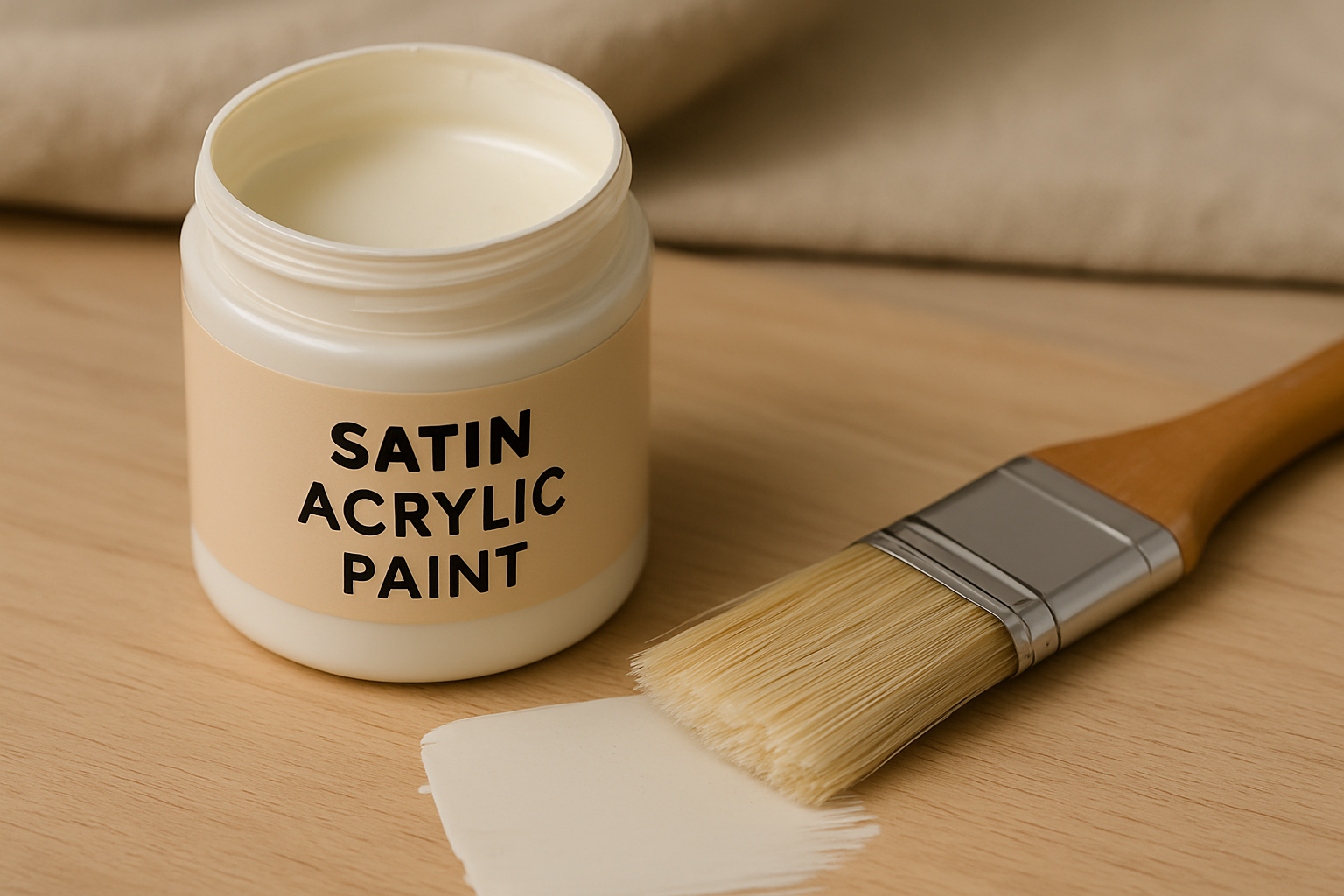
What is Satin Acrylic Paint? Discover Its Benefits
Are you wondering what satin acrylic paint is and why it has become a popular choice among DIY enthusiasts and professional painters alike? Satin acrylic paint offers a unique finish that strikes a balance between matte and gloss, making it a versatile option for various surfaces. With over 15 years of experience in the field of painting and coatings, I can tell you that understanding the properties of satin acrylic paint is essential for achieving the best results in your projects. In this article, you will learn about the characteristics of satin acrylic paint, its ideal applications, and tips for effective use. Whether you’re updating your home decor or working on an art project, mastering satin acrylic paint can elevate your craftsmanship.
Understanding Satin Acrylic Paint
Satin acrylic paint is a versatile medium known for its smooth finish and subtle sheen. It combines the durability of acrylics with a soft, satin-like appearance, making it ideal for a variety of surfaces, including walls, furniture, and crafts. This type of paint is water-based, allowing for easy cleanup and quick drying times, which are significant advantages for both amateur and professional artists. The satin finish provides a balance between a matte and glossy appearance, offering aesthetic appeal and practicality for different projects.
Composition of Satin Acrylic Paint
Satin acrylic paint is primarily composed of acrylic resins, pigments, and water. The resins provide durability and adhesion, while the pigments offer color and opacity. The water acts as a solvent, making the paint easy to apply and clean up. This composition allows for a flexible finish that resists fading and yellowing over time, ensuring long-lasting results.
Common Uses of Satin Acrylic Paint
Satin acrylic paint is widely used in various applications due to its adaptable nature. It’s commonly used for interior walls, where its sheen can enhance the visual appeal without being overly reflective. Additionally, it’s suitable for furniture and crafts, offering a durable finish that can withstand everyday wear and tear. Artists often prefer satin acrylics for their ability to blend well and create depth in artwork.
Key Points:
- Satin acrylic paint combines durability and aesthetic appeal
- It is water-based, making it easy to clean and quick to dry
Benefits of Using Satin Acrylic Paint
Satin acrylic paint offers several benefits that make it a popular choice for both DIY enthusiasts and professional artists. Its unique finish strikes a balance between matte and glossy, providing a sophisticated look while also being practical. The paint is known for its excellent adhesion, which allows it to stick to various surfaces without peeling or chipping. Additionally, satin acrylics are less prone to showing imperfections compared to glossier finishes, making them an ideal option for surfaces that require a flawless appearance.
Durability and Longevity
One of the standout features of satin acrylic paint is its durability. Once dry, it forms a tough finish that can withstand scratches, stains, and moisture. This makes it particularly suitable for high-traffic areas or items that are frequently handled, such as furniture. The longevity of satin acrylic ensures that your projects maintain their beauty over time without the need for frequent touch-ups.
Ease of Application
Satin acrylic paint is user-friendly, making it accessible for painters of all skill levels. It can be applied using brushes, rollers, or even spray equipment, providing flexibility in technique. The fast drying time allows for multiple coats to be applied in a single day, expediting project completion. Moreover, since it is water-based, cleanup is straightforward with just soap and water, saving time and effort.
Key Points:
- Satin acrylic paint is durable and ideal for high-traffic areas
- It is easy to apply and offers a quick drying time
Understanding Satin Acrylic Paint
Satin acrylic paint is a versatile type of water-based paint known for its smooth finish that falls between matte and gloss. It provides a subtle sheen that enhances colors while still being forgiving of surface imperfections. This makes satin acrylic paint a popular choice for a variety of surfaces, including walls, furniture, and crafts. The formulation allows for easy application and quick drying, making it suitable for both indoor and outdoor projects. With its durability and resistance to fading, satin acrylic paint is ideal for areas that require regular cleaning, such as kitchens and bathrooms.
Characteristics of Satin Acrylic Paint
Satin acrylic paint features a soft sheen that reflects light without being overly shiny, providing a balanced aesthetic appeal. It is water-based, which means it is low in volatile organic compounds (VOCs), making it safer for indoor use. Additionally, it offers good adhesion to various surfaces and can be easily cleaned with soap and water, which adds to its practicality for everyday use.
Applications of Satin Acrylic Paint
Satin acrylic paint is suitable for multiple applications, including interior walls, furniture, and decorative crafts. Its ability to resist moisture makes it a preferred choice for kitchens and bathrooms. Furthermore, it works well on both porous and non-porous surfaces, allowing for versatility in various painting projects. DIY enthusiasts appreciate its ease of use, which simplifies the painting process.
Key Points:
- Satin acrylic provides a balanced sheen
- Ideal for high-traffic areas due to its durability
💡 Choose the right primer for better adhesion
💡 Test on a small area before full application
Techniques for Using Satin Acrylic Paint
Successfully applying satin acrylic paint requires specific techniques to achieve the best results. Proper preparation of the surface is crucial, as it affects how well the paint adheres and looks once dried. Additionally, understanding the drying times and how to layer paint can enhance the final appearance. Using the right tools, such as brushes and rollers designed for acrylic paints, can also impact the quality of the finish.
Surface Preparation
Before applying satin acrylic paint, ensure the surface is clean, dry, and smooth. Remove any loose paint or debris and fill in any holes or cracks with appropriate fillers. Sanding the surface lightly can help create a better grip for the paint. Proper preparation not only improves adhesion but also enhances the overall finish, reducing the likelihood of peeling or chipping.
Application Techniques
When applying satin acrylic paint, use long, even strokes with a high-quality brush or roller. Start from the corners and edges, then fill in the larger areas. For a smoother finish, consider using a paint sprayer. Allow each coat to dry completely before adding another layer, typically requiring 1 to 2 hours between coats. This ensures a uniform appearance and maximizes durability.
Key Points:
- Proper surface prep is essential for adhesion
- Layering enhances the final look and durability
💡 Use quality brushes and rollers for a smoother finish
💡 Follow manufacturer instructions for optimal results
EXPERT TIPS Pro Advice
Always conduct a patch test
Testing a small area allows you to see how the paint interacts with the surface and helps you gauge the final color.
Use a paint conditioner
Adding a paint conditioner can improve flow and leveling, leading to a smoother finish, especially on larger surfaces.
Maintain a consistent temperature
Painting in a controlled temperature environment can prevent issues like uneven drying and bubbling, ensuring a better finish.
Consider the lighting
Lighting can drastically affect how colors appear; evaluate your chosen color in different lights before committing.
Frequently Asked Questions
Conclusion
Satin acrylic paint is a versatile option that combines beauty and functionality. It offers a lovely sheen, easy application, and durability, making it an ideal choice for various projects. Understanding its benefits and proper application techniques can help you achieve stunning results.
🎯 Key Takeaways:
- Satin acrylic paint has a soft sheen and is water-based.
- It is durable, easy to clean, and hides imperfections.
- Always clean surfaces and consider using a primer.
- Suitable for both indoor and outdoor applications.
- Promptly clean brushes to ensure longevity.
Expert Advice: For the best results, experiment with satin acrylic paint on sample boards first. This will help you understand how it interacts with different surfaces and finishes, ensuring your final application meets your expectations.
Explore your painting options and start your next project with confidence!