
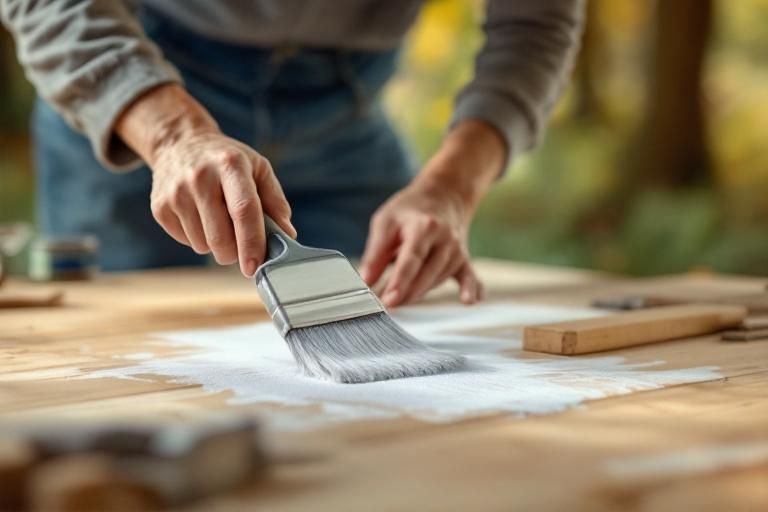
How to Remove Paint Primer from Wood Effectively
Have you ever struggled with stubborn paint primer on your beloved wooden surfaces? Removing paint primer from wood can be a daunting task, but it doesn’t have to be. With the right techniques and tools, you can restore your wood to its original beauty. As a seasoned expert in home improvement and restoration, I’ve helped countless homeowners tackle this common issue. In this article, you will learn step-by-step methods for effectively removing paint primer, tips for preparing your wood surface, and common mistakes to avoid. Whether you’re a DIY enthusiast or a novice, you’ll find valuable insights that will save you time and effort in your restoration project.
Understanding Paint Primer and Its Properties
Paint primer serves as a preparatory coating that enhances paint adhesion and durability. It’s often thicker than paint and designed to seal the surface, making the removal process necessary for any refinishing project. Knowing the type of primer used—water-based or oil-based—can significantly impact the removal method. Water-based primers are generally easier to remove with soap and water, while oil-based primers might require solvents. Understanding these distinctions helps in selecting the most effective removal strategy.
Types of Paint Primers
Paint primers are primarily categorized into two types: water-based and oil-based. Water-based primers are easier to clean up and less toxic, making them ideal for indoor use. In contrast, oil-based primers offer superior adhesion and stain-blocking properties but require solvents for removal. Identifying the type of primer on your wood surface is crucial for choosing the right removal method.
Why Removal is Necessary
Removing paint primer from wood is essential when preparing for refinishing or repainting. Leftover primer can affect the application and finish of new paint, leading to uneven textures or peeling. Additionally, old primer may contain harmful compounds that can interfere with indoor air quality. Proper removal ensures a clean foundation for subsequent layers.
Key Points:
- Know the type of primer for effective removal
- Primer removal is crucial for a smooth finish
Tools and Techniques for Primer Removal
Successfully removing paint primer from wood requires the right tools and techniques. Common methods include sanding, scraping, and using chemical removers. Each technique has its advantages and drawbacks, such as the potential for damage to the wood or health risks from chemicals. Selecting the appropriate method based on the wood type and primer condition is essential for achieving optimal results without compromising the wood’s integrity.
Mechanical Methods: Sanding and Scraping
Sanding and scraping are mechanical methods that physically remove primer. Sanding involves using sandpaper or a power sander to abrade the surface, while scraping utilizes a putty knife or a specialized scraper. Both methods require care to avoid damaging the wood beneath. It’s crucial to start with coarse grit sandpaper or a sharp scraper and gradually move to finer grits for a smooth finish.
Chemical Removers: Safe Usage Guidelines
Chemical paint removers can be effective for stubborn primers but must be used with caution. Always work in a well-ventilated area and wear protective gear, such as gloves and goggles. Follow the manufacturer’s instructions for application and dwell time to minimize risks. Additionally, test the remover on a small, inconspicuous area first to ensure it won’t damage the wood.
Key Points:
- Choose the right removal method based on primer type
- Safety precautions are crucial when using chemical removers
Understanding Paint Primer and Its Adhesion
Paint primer plays a crucial role in preparing wood surfaces for paint. It adheres strongly to the wood fibers, ensuring better paint adhesion and a smoother finish. However, this strong bond can make it challenging to remove primer once it’s no longer needed. Understanding the composition of the primer and how it interacts with wood will help you choose the right removal methods. The first step in removal is assessing the type of primer used, as oil-based primers require different methods compared to water-based ones. Additionally, the age of the primer can affect its removal; older primers may have hardened, making them more difficult to strip off.
Types of Primer
Primers can be oil-based, water-based, or shellac-based. Oil-based primers are durable and require solvent-based removers, while water-based primers can be removed with water and soap. Shellac-based primers may need denatured alcohol for effective removal. Identifying the type of primer on your wood surface is essential for selecting the appropriate removal technique.
Assessing the Condition of the Primer
Before beginning the removal process, assess the condition of the primer. If the primer is peeling or cracking, it may come off more easily. Conversely, a well-adhered primer may require more aggressive methods. Testing a small area can help determine the best approach without damaging the wood underneath.
Key Points:
- Understanding primer types aids in choosing removal methods.
- Assessing primer condition can prevent damage to wood.
💡 Always wear protective gear, including gloves and goggles, to protect yourself from chemicals during the removal process.
💡 Test your removal method on a small, inconspicuous area to ensure it won’t damage the wood.
💡 Work in a well-ventilated area, especially when using chemical strippers, to avoid inhaling harmful fumes.
Effective Techniques for Removing Paint Primer
There are several effective techniques for removing paint primer from wood, each suited to different primer types and conditions. Physical methods can include sanding or scraping, while chemical strippers can dissolve the primer. Heat guns can also be used, especially for older, stubborn primers. The key is to match the technique to the primer type and condition, ensuring minimal damage to the wood. Always follow safety protocols when using heat or chemicals, and be patient, as thorough removal may take time.
Sanding and Scraping
Sanding is a good option for removing primer from wood, especially if the surface is flat. Start with coarse-grit sandpaper to strip away the bulk of the primer, followed by finer grits for smoothing. Scraping can also be effective, particularly in corners or detailed areas. Use a putty knife or scraper, applying even pressure to avoid gouging the wood.
Chemical Strippers and Solvents
Chemical strippers are highly effective for removing primer but should be used with caution. Apply the stripper according to the manufacturer’s instructions, allowing it to sit for the recommended time. Scrape off the softened primer using a plastic scraper. Always ensure proper ventilation and wear protective gear when using chemicals.
Using Heat for Primer Removal
A heat gun can be a powerful tool for removing primer, especially older applications. The heat softens the primer, making it easier to scrape away. Keep the gun moving to avoid burning the wood, and use it in well-ventilated spaces. This method is particularly effective for thicker layers of primer.
Key Points:
- Combine techniques for effective primer removal.
- Safety is paramount when using heat or chemicals.
💡 Use a combination of methods for the best results; for example, start with a heat gun and finish with sanding.
💡 Keep your tools clean and in good condition to ensure effective removal and prevent damage to the wood.
💡 Always test chemicals and heat on a small area first to gauge the wood’s reaction and avoid large-scale damage.
EXPERT TIPS Pro Advice
Choose the right method for your specific situation.
Different primers and wood types require tailored approaches. Understanding this can save time and prevent damage.
Be patient and allow time for chemical strippers to work.
Rushing the process can lead to incomplete removal or damage. Following instructions precisely ensures optimal results.
Maintain a clean workspace.
A tidy area helps prevent accidents and allows for easier cleanup of debris generated during the removal process.
Document your process.
Taking notes on what works and what doesn’t can help refine your technique for future projects.
Consider the wood’s finish after removal.
Plan for refinishing the surface after primer removal, as this will restore the wood’s appearance and protect it.
Frequently Asked Questions
Conclusion
Removing paint primer from wood requires careful consideration of methods, including chemical strippers, heat application, and sanding. Each approach has its advantages and challenges, so choose one that suits your project and safety preferences to ensure a successful refinishing.
🎯 Key Takeaways:
- Chemical strippers effectively dissolve primer but require safety precautions.
- Heat guns can soften primer for easier removal without chemicals.
- Sanding is a reliable method but requires proper technique to avoid damage.
- Scrapers can help remove primer but should be used cautiously.
- Proper surface preparation is crucial for a successful finish.
Expert Advice: Choose the method that best fits your project’s needs and prioritize safety. Preparing the surface properly will enhance the final finish and prolong the life of your wood piece.
Explore various removal methods and start your wood refinishing project with confidence!