
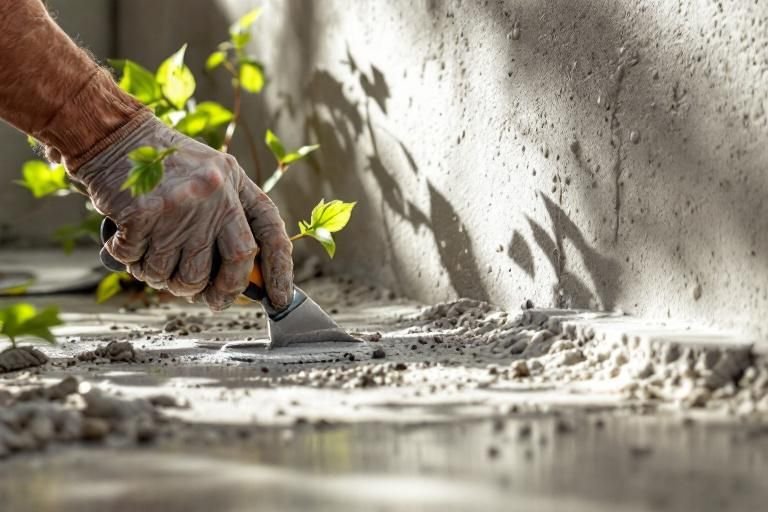
How to Use PVC Primer and Cement Effectively
Are you struggling to create strong, reliable connections in your plumbing or DIY projects? Understanding how to use PVC primer and cement can be the key to achieving durable and leak-free joints. With over 15 years of experience in construction techniques, this guide will walk you through every step of the process, ensuring that you apply these materials correctly and efficiently. From preparing the surfaces to curing times, you’ll learn essential tips and best practices that will enhance your projects. Read on to master the art of using PVC primer and cement, and achieve professional-level results.
Understanding PVC Primer and Cement
PVC primer and cement are essential for creating strong, durable joints in PVC piping systems. The primer prepares the surface of the PVC, ensuring that the cement adheres properly. It is usually a purple or clear liquid that softens the plastic, allowing the cement to bond effectively. PVC cement is a solvent-based adhesive designed specifically for joining PVC materials. Using these two products correctly ensures a leak-proof connection that withstands pressure and environmental factors.
The Role of PVC Primer
PVC primer serves to clean and prime the surface of the PVC pipe and fittings prior to applying cement. This step is crucial because it softens the plastic, allowing for better adhesion. Without primer, the bond may be weak, leading to leaks or failures in the piping system. It’s important to apply primer evenly and liberally, covering all surfaces to be joined.
The Function of PVC Cement
PVC cement is the adhesive that binds the primed surfaces together. It works by softening the PVC material, allowing the two pieces to fuse into a single unit. This chemical bond is what provides strength and durability to the joint. Ensure that you choose the appropriate cement for the specific size and pressure rating of your PVC pipes to achieve the best results.
Key Points:
- PVC primer prepares the surface for a strong bond
- PVC cement creates a durable, leak-proof connection
Step-by-Step Application Process
Using PVC primer and cement involves a systematic approach to ensure a successful bond. First, gather your materials and make sure the surfaces are clean and dry. The process typically begins with applying the primer, followed by the cement, and finally joining the pieces together. Timing is critical; once the cement is applied, you have a limited time to align and press the pieces together before the adhesive sets.
Preparation and Safety
Before starting, ensure you are in a well-ventilated area and wear appropriate safety gear, such as gloves and goggles. Clean the surfaces of the pipes and fittings thoroughly, removing dust, grease, or moisture. Proper preparation minimizes the risk of joint failure and enhances bonding effectiveness.
Applying Primer and Cement
Apply PVC primer generously to both surfaces to be joined, using a brush or applicator. Wait for the primer to dry slightly, which usually takes a few seconds. Next, apply a coat of PVC cement to the same areas and immediately push the pieces together with a twisting motion to evenly distribute the adhesive. Hold them in place for about 30 seconds to allow initial bonding.
Final Steps and Curing
After joining the pieces, clean any excess cement from the outer edges with a cloth. Allow the joint to cure according to the manufacturer’s instructions, typically 24 hours for full strength. During this time, avoid disturbing the joint to prevent misalignment or incomplete bonding.
Key Points:
- Follow safety precautions before starting
- Apply primer and cement in a timely manner for best results
Understanding PVC Primer and Cement
PVC primer and cement are essential for creating strong, durable joints in PVC piping systems. The primer prepares the surface by softening the PVC, allowing for a better bond between the pipe and the cement. Understanding the composition and properties of these materials can significantly enhance the quality of your connections. When applied correctly, PVC cement creates a chemical weld that is much stronger than the pipe itself. Knowing how to use these products effectively is crucial for any plumbing or construction project involving PVC.
The Role of PVC Primer
PVC primer is a solvent-based adhesive that cleans and softens the surface of the pipe. This step is vital as it ensures that the cement can penetrate and bond securely. Applying primer not only enhances adhesion but also helps to remove any dirt, grease, or debris that could impede the bonding process. Always choose a primer that is compatible with the type of PVC you are using.
Understanding PVC Cement
PVC cement is a solvent that bonds two pieces of PVC together by chemically melting the surface. Once applied, it evaporates and forms a solid bond as it cures. It’s important to choose the right type of cement based on the application, such as pressure or non-pressure systems. Ensure that the cement has the proper viscosity for your project, as this will affect the ease of application and bond strength.
Key Points:
- PVC primer prepares and softens the surface for better adhesion.
- Cement chemically bonds PVC surfaces together for a strong connection.
💡 Always wear gloves and eye protection when handling primer and cement to prevent irritation.
💡 Ensure the pipe and fittings are clean and dry before application to enhance bonding.
💡 Work in a well-ventilated area to avoid inhalation of fumes from the primer and cement.
Application Techniques for PVC Primer and Cement
Applying PVC primer and cement requires careful attention to detail to ensure a strong joint. Proper technique not only enhances the bond but also prevents leaks and failures in your plumbing system. Follow the correct steps to ensure a successful application, from surface preparation to curing.
Surface Preparation
Before applying primer and cement, ensure that all surfaces are clean and dry. Use a clean cloth to wipe away any dust, moisture, or oil. If necessary, cut the pipe ends at a 90-degree angle and deburr them to create smooth edges. Proper surface preparation is critical for achieving a strong bond and preventing leaks later on.
Application Process
Apply the primer generously to both the pipe and fitting, ensuring complete coverage. Follow up immediately with the cement, applying a uniform layer while twisting the pipe into the fitting to ensure even distribution. Hold the connection together for about 30 seconds to allow the initial bond to set. Do not disturb the joint for at least 15 minutes to allow for curing.
Curing and Final Checks
After application, allow the joint to cure as per the manufacturer’s recommended time before pressure testing or putting the system into service. Regularly check joints for any signs of leaks after installation. Curing is essential for achieving optimal bond strength, so don’t rush this process.
Key Points:
- Surface preparation is crucial for a durable bond.
- Follow the correct application process to prevent weak joints.
💡 Use a brush or applicator with an appropriate width for even primer and cement application.
💡 Always work quickly, as the primer and cement dry fast—time is critical.
💡 Mark your pipes and fittings to ensure correct alignment before the cement sets.
EXPERT TIPS
Pro Advice
Choose the Right Weather
Avoid applying primer and cement during extremely cold or humid conditions, as this can affect curing times and bond strength.
Perform a Test Joint
Before working on a large project, practice on a scrap piece of PVC to refine your technique and ensure proper application.
Stay Within the Recommended Working Time
Be aware of the working time of the cement; apply it before it begins to set, ensuring a proper bond.
Inspect Accessories
Regularly check fittings and connectors for compatibility with your PVC to avoid issues during application.
Follow Safety Guidelines
Read and adhere to all safety guidelines provided with the primer and cement for safe handling and application.
Frequently Asked Questions
Conclusion
Using PVC primer and cement correctly is essential for creating strong, leak-free connections in plumbing. Always start with cleaning and priming the surfaces, apply cement promptly, and allow adequate drying time. Following these steps ensures the durability and reliability of your plumbing projects.
🎯 Key Takeaways:
- Always use primer to enhance bonding strength.
- Apply cement quickly after primer for best results.
- Allow sufficient drying time for optimal performance.
- Wear safety gear to protect against chemical exposure.
- Clean surfaces thoroughly before application.
Expert Advice: Take your time when working with PVC primer and cement to ensure a proper seal. Following the steps accurately will lead to successful installations and prevent costly repairs down the line.
Now that you understand how to use PVC primer and cement, consider practicing these techniques on a small project to build your confidence.