
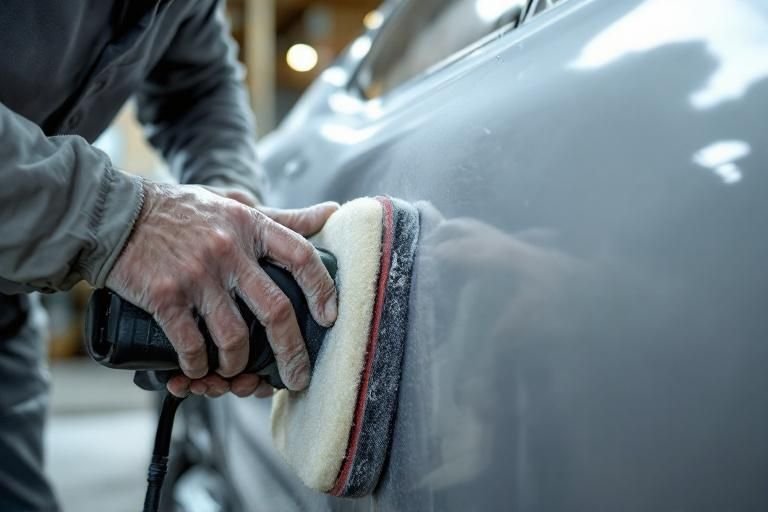
How to Sand a Car for Primer: Step-by-Step Guide
Are you preparing to paint your car but unsure how to sand a car for primer effectively? Achieving a smooth, even surface is crucial for a professional-looking finish. Inadequate sanding can lead to poor adhesion and an uneven paint job, costing you time and money. With over 15 years of experience in automotive bodywork, I will guide you through the sanding process, ensuring you understand each step required for optimal results. This article will cover essential techniques, tools needed, and common mistakes to avoid, providing you with the knowledge to prepare your car like a pro. Let’s get started on making your vehicle painting project a success!
Understanding the Importance of Sanding Before Priming
Sanding a car before applying primer is a critical step in automotive refinishing. It ensures proper adhesion of the primer to the surface, which is crucial for achieving a smooth and durable finish. The sanding process removes old paint, rust, and imperfections, allowing the primer to bond effectively. Additionally, it helps create a uniform surface texture, essential for a flawless final coat. Overlooking this step can lead to peeling, bubbling, or uneven surfaces, compromising the overall quality of the paint job.
Types of Sanding Techniques
There are various sanding techniques, including wet sanding and dry sanding. Wet sanding uses water to lubricate the surface, reducing dust and minimizing scratches. It’s ideal for achieving a smooth finish on clear coats and paints. Dry sanding, on the other hand, involves using sandpaper without water, suitable for stripping old paint and roughening surfaces for primer adhesion. Understanding these techniques can help you choose the right method for your project.
Choosing the Right Sandpaper
The grit of the sandpaper is crucial in the sanding process. Coarse grit (40-80) is effective for heavy paint removal and surface leveling, while medium grit (120-220) is better for smoothing surfaces. Fine grit (320-600) is used for final sanding before primer application. Selecting the appropriate grit ensures that you prepare the surface correctly without causing damage that could affect the primer’s adhesion.
Key Points:
- Sanding is essential for primer adhesion.
- Different sanding techniques yield different results.
💡 Always wear protective gear to safeguard against dust and debris.
Step-by-Step Guide to Sanding a Car for Primer
Sanding a car for primer involves a systematic approach to ensure the best results. Start by cleaning the surface thoroughly to remove dirt and grease, which can interfere with the sanding process. Next, assess the condition of the paint and decide whether to strip it entirely or simply scuff the surface. Use the appropriate sanding technique and grit according to the condition of the paint. Once the sanding is complete, ensure to clean the surface again to remove any dust particles before applying the primer.
Preparing the Work Area
Before starting, set up a clean, well-lit workspace. Use drop cloths to protect surrounding areas from dust and debris. Ensure proper ventilation if you’re working indoors to avoid inhaling harmful particles. Having your tools organized can streamline the process, making it more efficient and less frustrating.
Sanding Process Steps
Begin sanding with coarse grit sandpaper to remove any old paint or rust. Follow with medium grit to smooth the surface and finish with fine grit for a polished touch. Use a sanding block for flat surfaces to maintain even pressure. Regularly check your progress to avoid over-sanding and damaging the metal.
Key Points:
- A thorough cleaning process is vital.
- Organized workspace contributes to efficiency.
💡 Take breaks to step back and assess your work periodically.
Preparing the Car Surface for Sanding
Before starting the sanding process, it’s essential to prepare the car’s surface properly. This includes cleaning the area to remove dirt, grease, and old wax, ensuring a smooth application of primer. Use a degreaser for optimal results, and consider washing the car with soap and rinsing thoroughly. Once clean, dry the surface completely to avoid any moisture issues during sanding. Additionally, inspect the surface for rust or damage; addressing these issues now will lead to a better finish later on.
Cleaning Techniques
Utilize a combination of soap and water, followed by a degreaser to ensure the car’s surface is free from contaminants. Pay special attention to areas where dirt tends to accumulate, such as around trim and wheel wells. A clean surface is crucial for effective sanding and primer adhesion.
Inspecting for Damage
Take the time to examine the car for any dents, scratches, or rust spots that need addressing. Use a body filler for dents and sand rust spots down to bare metal. This step is vital, as imperfections can become more pronounced after priming.
Key Points:
- Thoroughly clean the car to ensure proper adhesion of primer.
- Inspect and repair any surface damage before sanding.
💡 Always sand in a well-ventilated area to avoid inhaling dust and fumes.
💡 Use a dust mask and safety goggles to protect yourself during sanding.
Sanding Techniques for Optimal Results
Sanding is a critical step in preparing a car for primer, as it creates a surface profile that allows the primer to adhere effectively. Start with a coarser grit sandpaper (around 80-120 grit) to remove paint and imperfections, then progress to finer grits (220-320 grit) for a smoother finish. Use a consistent and even pressure to avoid creating uneven surfaces, and work in small sections to maintain control. Additionally, sanding in a circular motion can help to eliminate swirl marks.
Choosing the Right Grit
Select the appropriate grit based on the existing surface condition. Coarse grit removes old paint effectively, while finer grits prepare the surface for primer. Gradually transitioning between grits is essential to achieve a smooth finish.
Technique and Patterns
Employ consistent techniques while sanding. Using a circular motion helps distribute pressure evenly, while straight lines may work for larger, flat areas. Always sand with the grain of the metal when applicable to minimize scratches.
Key Points:
- Using the correct grit is crucial for effective sanding.
- Consistent technique leads to a smoother and more uniform surface.
💡 Keep your sandpaper clean by regularly tapping it to remove dust buildup.
💡 Test your sanding technique in a less visible area to ensure the desired finish.
EXPERT TIPS Pro Advice
Start with a test area
Testing your sanding technique on a small, inconspicuous area helps gauge how the car’s surface responds, ensuring you achieve the desired finish without damaging visible sections.
Use a sanding block for flat surfaces
Employing a sanding block allows for even pressure distribution, resulting in a smoother finish compared to sanding with just your hands.
Avoid oversanding
Be cautious not to oversand, as this can lead to thinning the metal and create weak spots that may lead to rust or damage in the future.
Keep the surface cool
If sanding generates heat, it can damage the paint layer beneath. Take breaks and ensure the surface remains cool to maintain integrity.
Maintain a clean workspace
A clean environment minimizes the risk of dust and debris contaminating the surface, leading to a better primer application and overall finish.
Frequently Asked Questions
Conclusion
Sanding a car for primer is a vital step in achieving a quality paint job. Using the right grit sandpaper, preparing the surface properly, and ensuring effective sanding techniques enhance primer adhesion. Remember, thoroughness is key to a smooth and durable finish.
🎯 Key Takeaways:
- Use 400-600 grit sandpaper for effective sanding.
- Thoroughly clean and prepare the surface before sanding.
- Sanding creates texture for better primer adhesion.
- Wet sanding minimizes dust and enhances smoothness.
- Focus on even sanding to avoid imperfections.
Expert Advice: Take your time during the sanding process; it’s the foundation for a successful paint job. Ensure you’re meticulous and attentive to surface details, as this will pay off in the final results.
Now that you understand how to sand a car for primer, gather your materials and start the sanding process to prepare your vehicle for a fresh coat of paint.