
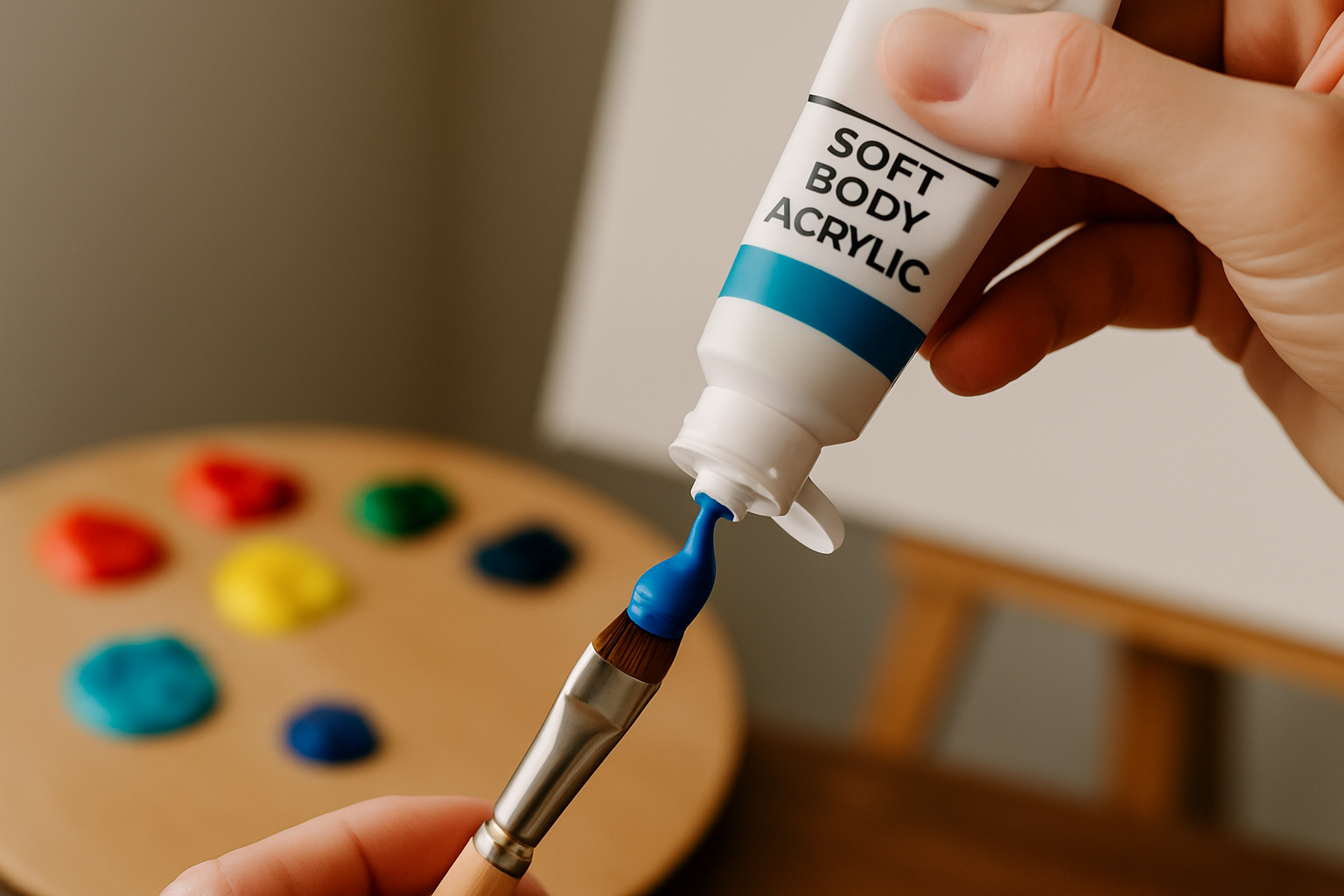
What is Soft Body Acrylic Paint? Discover Its Benefits
Are you curious about what soft body acrylic paint is and how it differs from other types of acrylic paint? This versatile medium is gaining popularity among artists for its smooth application and vibrant colors. With its unique consistency, soft body acrylic paint allows for a wide range of techniques, from detailed brushwork to fluid pouring. As an expert in art materials, I will guide you through the essential aspects of soft body acrylic paint, including its characteristics, benefits, and practical applications. By the end of this article, you’ll have a comprehensive understanding of how to effectively use this type of paint in your creative projects.
Understanding Soft Body Acrylic Paint
Soft body acrylic paint is a versatile medium favored by artists for its fluid consistency and vibrant colors. Unlike heavy body acrylics, soft body paints have a smoother texture that allows for easy blending and layering. They are ideal for techniques such as glazing, pouring, and fine detail work. This type of paint dries quickly, retaining its color and finish, making it a popular choice for both beginners and professionals. Soft body acrylics can be used on various surfaces, including canvas, paper, and wood, providing artists with flexibility in their projects.
Composition of Soft Body Acrylics
Soft body acrylic paints are made from pigment suspended in an acrylic polymer emulsion. This composition allows the paint to have a creamy texture and a high level of pigmentation. The emulsion provides a smooth application while ensuring the paint dries to a water-resistant finish. Artists appreciate the ease of use that comes with soft body acrylics, as they can be diluted with water or mixed with mediums to achieve different effects.
Uses and Techniques
Soft body acrylics are suitable for a variety of techniques, including washes, glazing, and impasto. Their fluid nature allows for intricate details and smooth transitions of color, making them perfect for watercolor-like effects. Artists can also use them for traditional painting methods, such as layering and brushwork, to create depth and texture in their artwork. Their quick drying time allows for rapid project turnaround, making them ideal for both studio and on-the-go painting.
Key Points:
- Soft body acrylics have a fluid consistency ideal for blending.
- They dry quickly and can be used on various surfaces.
Benefits of Using Soft Body Acrylic Paint
Soft body acrylic paint offers several advantages that enhance the artistic experience. One significant benefit is the versatility of the paint, which enables artists to explore a range of techniques without the need for multiple products. The smooth application allows for seamless color transitions, while the quick drying time means artists can work efficiently without long wait periods. Additionally, soft body acrylics are generally easy to clean up with soap and water, making them more convenient for artists who prefer a less cumbersome workspace.
Versatility in Application
The versatility of soft body acrylics allows artists to experiment with various styles, from abstract to realism. The paint can be used straight from the tube for bold applications or diluted with water for lighter washes. This adaptability makes it suitable for different artistic expressions, catering to both detailed work and broader strokes. Artists can also mix them with other mediums to create unique textures and finishes.
Ease of Clean-Up and Storage
One of the practical advantages of soft body acrylics is their ease of clean-up. Since they are water-based, brushes and tools can be cleaned quickly with soap and water before the paint dries. For storage, soft body acrylics typically come in tubes or containers that can be easily sealed, preventing drying out and maintaining paint quality over time. This convenience is particularly beneficial for artists who work in limited spaces or prefer to travel with their materials.
Key Points:
- Soft body acrylics are versatile and easy to use.
- They allow for quick clean-up and storage, ideal for artists on the go.
Understanding Soft Body Acrylic Paint
Soft body acrylic paint is a versatile medium favored by artists for its smooth consistency and vibrant colors. Unlike heavy body acrylics, which have a thick texture, soft body acrylics are fluid and can be easily manipulated. This makes them suitable for techniques such as glazing and pouring, allowing for smooth transitions and delicate washes. The paint typically dries quickly and is water-soluble when wet, making it easy to clean up and ideal for layering. Artists appreciate its ability to maintain color intensity while providing a satin finish, which enhances the overall appearance of the artwork.
Composition and Characteristics
Soft body acrylic paint consists of pigments dispersed in a polymer emulsion, which gives it its unique properties. The paint has a lower viscosity, allowing for smoother application and blending. It also retains a high level of pigment concentration, ensuring vibrant results. Some artists prefer soft body acrylics for detailed work or when a more fluid paint application is needed, as it allows for greater control over brush strokes and techniques.
Applications in Art
Soft body acrylic paint is well-suited for various artistic techniques, including glazing, watercolors, and detailed line work. Its fluidity makes it an excellent choice for pouring techniques, where the paint can flow easily across the canvas to create unique patterns. Additionally, it can be used in mixed media projects, blending seamlessly with other materials like ink or pastel. Artists often use soft body acrylics for both fine art and craft applications, making it a highly adaptable medium.
Key Points:
- Soft body acrylics are fluid and versatile for various techniques.
- They maintain vibrant colors and are easy to blend and manipulate.
💡 Use soft body acrylics for layering to achieve depth in your work.
💡 Experiment with different water ratios for varied transparency.
💡 Always clean your brushes promptly to maintain their shape and performance.
Techniques and Best Practices with Soft Body Acrylic Paint
To maximize the potential of soft body acrylic paint, artists should adopt certain techniques and practices. Since this medium dries quickly, effective planning and application are crucial. Techniques such as wet-on-wet and glazing can be particularly effective, allowing artists to create depth and texture without the paint becoming tacky. Additionally, using a palette knife or sponge can yield interesting textures that enhance the artwork. Understanding how to manipulate the drying time by using retarders or additives can also help achieve desired effects.
Layering and Glazing Techniques
Layering involves applying multiple coats of paint to achieve depth and richness in colors. With soft body acrylics, artists can create subtle shifts in hue by applying transparent layers. Glazing is a technique where a thin, transparent layer of paint is applied over a dry layer, enhancing luminosity. This method allows for intricate color blending and can significantly affect the overall mood of the artwork.
Mixing with Other Mediums
Soft body acrylics can be combined with other mediums such as gels, pastes, or watercolors to create diverse textures and effects. Artists can explore mixed media approaches to add dimension to their work. It is essential to experiment with proportions and application methods to find the right balance for the desired outcome. Additionally, understanding how other mediums interact with soft body acrylics can lead to innovative techniques.
Key Points:
- Effective layering and glazing enhance depth and vibrancy.
- Mixing with other mediums expands creative possibilities.
💡 Test your color mixtures on scrap paper before applying them to your artwork.
💡 Use a stay-wet palette to keep paints workable for longer durations.
💡 Incorporate texture mediums to broaden your artistic range.
EXPERT TIPS Pro Advice
Plan your layers carefully
Planning layers helps you manage drying times and achieve the desired color intensity without muddying your work.
Explore pouring techniques
Pouring soft body acrylics can create stunning visual effects; practice on smaller canvases before tackling larger pieces.
Use a variety of tools
Experiment with brushes, palette knives, and sponges to see how different tools affect texture and application.
Keep your workspace organized
A tidy workspace allows for smoother workflow and helps keep your focus on the creative process rather than on cleanup.
Document your techniques
Keeping a journal of your techniques and experiments can provide valuable insights and guide your artistic journey.
Frequently Asked Questions
Conclusion
Soft body acrylic paint offers a fluid, versatile medium for artists seeking smooth application and vibrant color. Its differences from heavy body acrylics make it perfect for detailed work, while its adaptability allows for use on multiple surfaces. Understanding its properties can enhance your creative process.
🎯 Key Takeaways:
- Soft body acrylic paint is fluid and easy to blend.
- It differs from heavy body paint in viscosity and application.
- Ideal for detailed work, glazing, and washes.
- Can be used on various surfaces when properly prepared.
- Thinning can be achieved with water or specific mediums.
Expert Advice: Experiment with soft body acrylic paint to discover its full potential. Try different surfaces and techniques to enhance your skills and creativity. Don’t hesitate to mix and layer for unique effects.
Explore your artistic journey with soft body acrylic paint today!