
What is Medium Used for in Acrylic Painting? Essential Guide
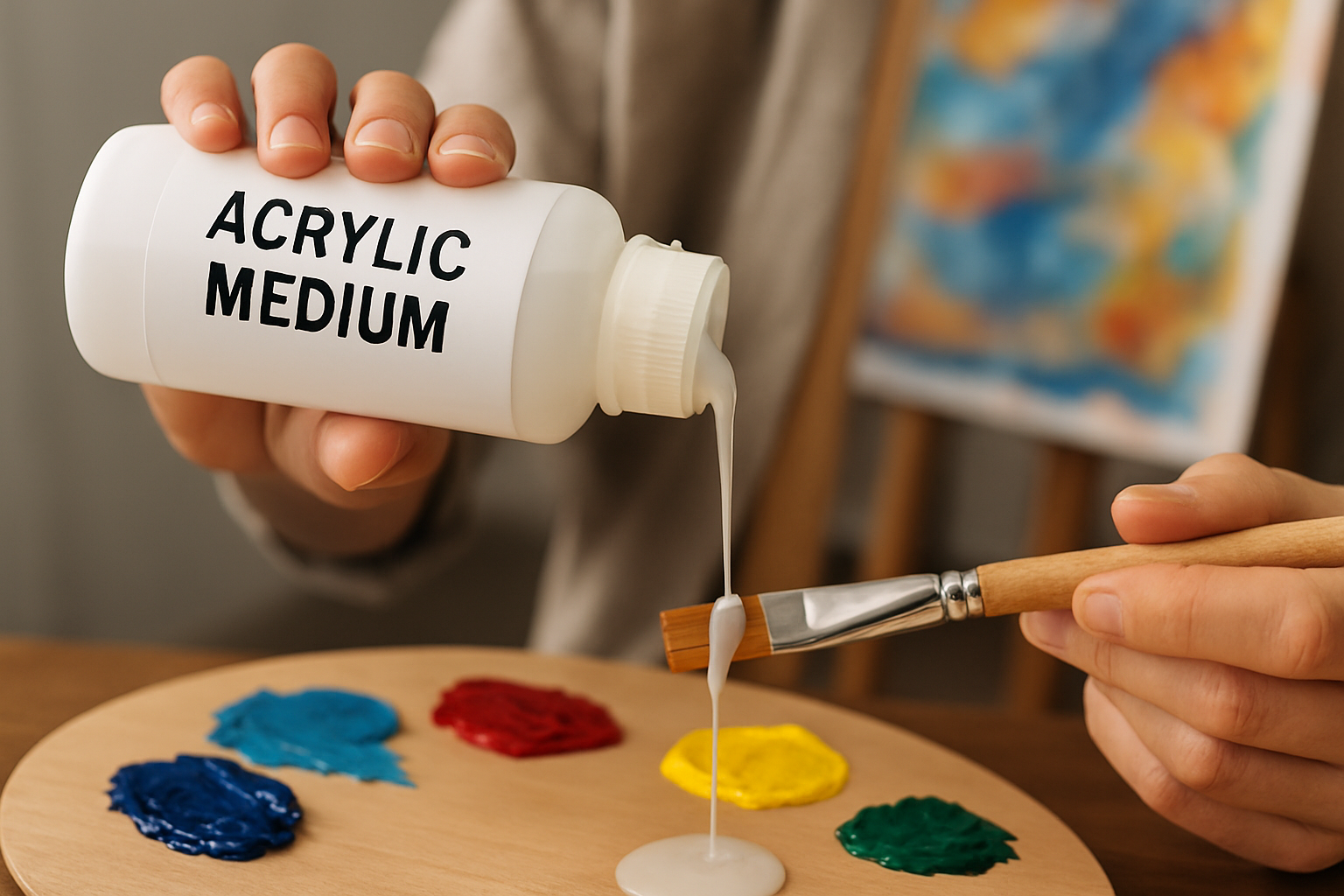
Have you ever wondered what is medium used for in acrylic painting? This essential component can significantly influence the texture, sheen, and drying time of your artwork. As an experienced artist, I understand the importance of choosing the right medium to achieve the desired effects in your paintings. In this article, we will explore the various types of mediums available for acrylic painting, their specific applications, and how they can enhance your creative process. By the end, you will have a comprehensive understanding of how to utilize mediums effectively to elevate your acrylic artwork.
Understanding Mediums in Acrylic Painting
In acrylic painting, a medium refers to a substance that alters the properties of the paint, affecting its texture, drying time, and finish. Artists often use mediums to achieve specific effects and enhance their creative expression. The choice of medium can significantly impact the final artwork, making it crucial for artists to understand how different mediums work. From gel mediums to glazing liquids, each type serves a distinct purpose, allowing for versatility in techniques and styles. Knowing how to use mediums effectively opens up a world of possibilities for acrylic painters, enabling them to manipulate their materials to suit their vision.
Types of Acrylic Mediums
There are several types of acrylic mediums, each designed for different effects. Gel mediums, for instance, add thickness and texture, while fluid mediums can thin paint without losing its vibrancy. Other mediums, such as retarding mediums, slow drying time, allowing for more blending and manipulation. Understanding these types is essential for achieving desired results in your artwork.
The Role of Mediums in Technique
Mediums play a vital role in various painting techniques. For instance, adding a glazing medium allows artists to create transparent layers, enhancing depth and luminosity. Conversely, using a thick medium can facilitate impasto techniques, where paint is applied in thick layers. Knowing how to select and apply the right medium for your technique is key to mastering acrylic painting.
Key Points:
- Mediums alter the properties of acrylic paint.
- Different mediums serve specific artistic purposes.
Benefits of Using Mediums in Acrylic Painting
Incorporating mediums into acrylic painting can greatly enhance the artist’s experience and the quality of the final piece. One of the primary benefits is the ability to modify drying times, allowing for more flexibility during the painting process. Additionally, mediums can improve adhesion and durability, ensuring that the artwork withstands the test of time. Artists can also achieve unique textures and finishes, contributing to the overall aesthetic appeal. By understanding the benefits of various mediums, artists can make informed choices that elevate their work.
Enhancing Texture and Depth
Mediums can significantly enhance texture and depth in acrylic paintings. For example, using a coarse gel medium can create three-dimensional effects, while a smooth glazing medium can add layers of depth without obscuring underlying details. This manipulation of texture allows artists to create more dynamic and engaging compositions.
Improving Paint Flow and Application
Certain mediums can improve the flow of acrylic paint, making it easier to apply. Flow improvers, for instance, can help achieve smooth application and finer details. This benefit is particularly useful for techniques such as fine line work or detailed brush strokes, where control is essential.
Key Points:
- Mediums enhance texture and depth.
- They can improve paint flow for better application.
Understanding Acrylic Mediums
Acrylic mediums are additives that enhance the properties of acrylic paint, allowing artists to manipulate the texture, finish, and drying time of their work. These mediums can range from gels and pastes to glazes and retarders, each serving a specific purpose. By integrating these mediums, artists can achieve a variety of effects, making their artwork more dynamic and versatile. Understanding how to use these mediums effectively is essential for both beginners and advanced artists looking to expand their techniques and styles.
Types of Acrylic Mediums
There are several types of acrylic mediums, including gels, pastes, and glazes. Gels can thicken paint and create texture, while pastes offer a more substantial body for impasto techniques. Glazes, on the other hand, allow for transparency and layering, enhancing color depth. Each medium serves a unique purpose, and selecting the right one can significantly impact the final artwork.
The Role of Mediums in Texture Creation
Adding mediums to acrylic paint can alter its texture dramatically. For instance, heavy gels can produce thick, three-dimensional effects, while fluid mediums can create smooth, even surfaces. Artists can experiment with mixing different mediums to achieve the desired texture, allowing for greater creative expression and exploration in their art.
Key Points:
- Acrylic mediums enhance paint properties.
- Different mediums serve specific artistic purposes.
💡 Experiment with different mediums to discover unique textures.
💡 Mix mediums with paint to test their effects before applying to a canvas.
Practical Applications of Acrylic Mediums
Understanding the practical applications of acrylic mediums can elevate an artist’s work significantly. By manipulating the mediums, artists can control not only the drying time but also the glossiness and translucency of their paintings. This flexibility allows for various techniques such as glazing, impasto, and layering, enhancing both aesthetic appeal and technical skill. Learning how to effectively use these mediums can lead to more refined and professional-looking artwork.
Using Mediums for Glazing Techniques
Glazing involves applying a transparent layer of paint over a dried layer to create depth and luminosity. By mixing a glazing medium with acrylic paint, artists can achieve a smooth, transparent finish that enhances the underlying colors. This technique is particularly useful for creating realistic skin tones or atmospheric effects in landscapes. Proper application requires careful layering to avoid muddy colors.
Impasto Techniques with Heavy Mediums
Impasto is a technique where paint is applied thickly to create texture and dimension. Heavy gels or pastes are ideal for this, allowing artists to build up layers and create dramatic visual effects. This approach adds a tactile quality to the artwork, making it more engaging. Mastering impasto can significantly elevate an artist’s work, providing a bold and expressive style.
Key Points:
- Mediums control drying times and finishes.
- Techniques like glazing and impasto enhance artistic expression.
💡 Practice layering techniques to understand the impact of drying times.
💡 Use a palette knife when applying heavy mediums for better control.
EXPERT TIPS Pro Advice
Start with small amounts of medium.
Using small amounts allows you to gauge the effects without overwhelming your paint, helping you learn how each medium impacts your work.
Keep a journal of your experiments.
Documenting your experiences with different mediums can provide valuable insights and help you track what works best for your style.
Mix mediums for unique effects.
Combining different mediums can lead to innovative textures and finishes, expanding your creative possibilities.
Test mediums on scrap paper first.
Before applying to your main piece, testing on scrap allows you to see how mediums interact with colors and drying times.
Consider the environment when using mediums.
Temperature and humidity can affect drying times and medium behavior, so adjust your techniques accordingly for best results.
Frequently Asked Questions
Conclusion
Understanding the role of mediums in acrylic painting is essential for any artist looking to expand their techniques. Mediums adjust paint characteristics, offering control over texture, drying time, and finish. Experimenting with various mediums can open new creative possibilities and enhance your artwork.
🎯 Key Takeaways:
- Mediums alter the properties of acrylic paint.
- Choose mediums based on desired effects.
- You can create homemade mediums.
- Different mediums serve unique purposes.
- Mediums can impact drying time significantly.
Expert Advice: Explore various mediums to discover how they can transform your acrylic painting experience. Don’t hesitate to experiment and find what works best for your artistic style and objectives.
Start your experimentation journey today! Grab some mediums and try them out on your next acrylic project.