
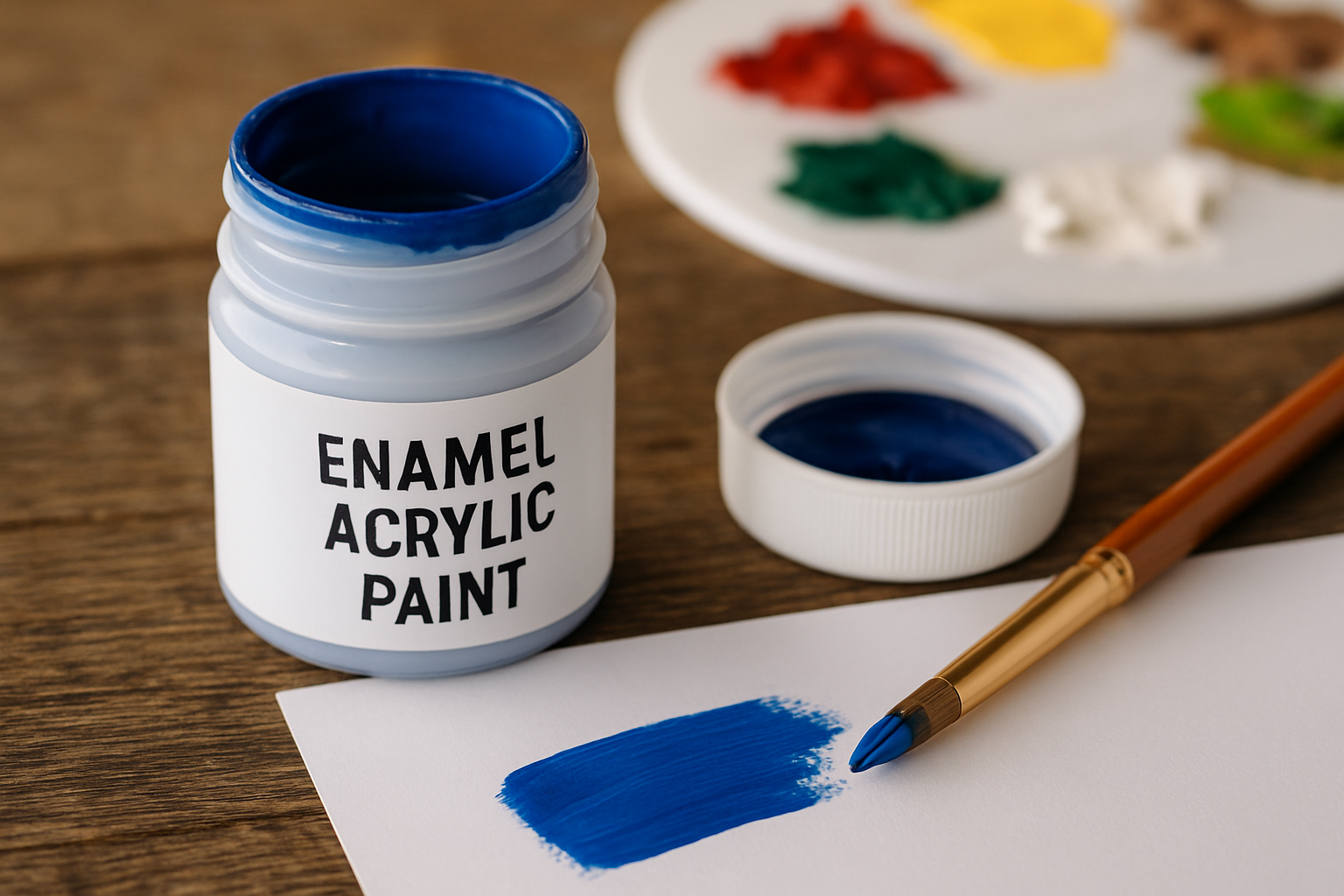
What is Enamel Acrylic Paint: Ultimate Guide
Have you ever wondered what enamel acrylic paint is and how it can elevate your art and DIY projects? This versatile paint combines the durability of enamel with the ease of use found in acrylics, making it a popular choice among artists and hobbyists alike. With my extensive experience in the world of painting and crafting, I can guide you through everything you need to know about enamel acrylic paint. In this article, we will explore its unique properties, applications, and tips for achieving stunning results. Whether you’re a seasoned painter or just starting out, understanding what enamel acrylic paint is will enhance your creative endeavors.
Understanding Enamel Acrylic Paint
Enamel acrylic paint is a versatile medium that combines the properties of enamel paint and acrylics. Enamel paint is known for its durability and glossy finish, making it suitable for surfaces that require a tough protective layer. Acrylic paint, on the other hand, is water-based and dries quickly, offering ease of use and flexibility. This hybrid formulation allows enamel acrylic paint to maintain a hard finish while also being easy to clean up with water. It is widely used in various applications, from art projects to home improvement tasks.
Composition of Enamel Acrylic Paint
Enamel acrylic paint typically consists of acrylic resins and pigments, mixed with solvents to achieve the desired consistency. The acrylic resin provides adhesion and flexibility, while the pigments deliver color vibrancy and opacity. Unlike traditional enamel paints that use oil-based solvents, enamel acrylics are primarily water-based, reducing harmful fumes and making them safer for indoor use.
Applications of Enamel Acrylic Paint
This type of paint is highly versatile and can be used on a variety of surfaces, including wood, metal, and plastic. It is ideal for projects that require a durable finish, such as furniture restoration, crafting, and model painting. Additionally, enamel acrylic paint can be used for both indoor and outdoor applications, providing a long-lasting finish that withstands the elements.
Key Points:
- Enamel acrylic paint combines durability and flexibility
- It is water-based, making it safer for indoor use
Benefits of Using Enamel Acrylic Paint
Enamel acrylic paint offers numerous advantages for both amateur and professional artists. One of the primary benefits is its quick drying time, allowing for faster project completion. Additionally, the paint’s water-based nature makes it easy to clean brushes and other tools with water, minimizing cleanup time and effort. Furthermore, the high gloss finish of enamel acrylic paint provides a visually appealing look that enhances the final product, whether it’s a piece of art or a home décor item.
Durability and Longevity
The durability of enamel acrylic paint is one of its standout features. Once fully cured, it resists chipping, fading, and peeling, making it suitable for high-traffic areas and outdoor use. This durability ensures that your projects maintain their appearance over time, reducing the need for frequent touch-ups or repaints.
Ease of Use
Enamel acrylic paint is user-friendly, making it accessible to beginners and experienced artists alike. Its quick drying time allows for layering and corrections without long waiting periods. The paint can be thinned with water or used straight from the container, providing flexibility based on the desired application technique.
Key Points:
- Quick drying time promotes faster project completion
- Easy cleanup with water simplifies the painting process
Understanding Enamel Acrylic Paint
Enamel acrylic paint is a hybrid formulation that combines the durability of enamel paint with the versatility of acrylics. It dries to a hard, glossy finish, making it suitable for various surfaces, including wood, metal, and plastics. Enamel acrylic paint is popular among artists and DIY enthusiasts for its ease of application and vibrant color retention. The paint is water-based, allowing for easy cleanup while still providing a robust finish that can withstand wear and tear. Understanding the properties of this paint can help users select it for the right projects, ensuring long-lasting results.
Chemical Composition
Enamel acrylic paint is primarily composed of acrylic resins, pigments, and solvents. The acrylic resins provide the paint with flexibility and adhesion, while the pigments ensure vibrant colors that remain true over time. The solvent, which is water in most cases, allows for easy application and cleanup. This combination results in a paint that dries quickly, adheres well to different surfaces, and offers excellent color retention. Understanding its chemical makeup can help users appreciate its versatility and performance.
Applications and Uses
Enamel acrylic paint is ideal for a variety of applications, including crafts, home improvement projects, and fine arts. It is often used for painting furniture, decorative items, and even for touch-ups on walls. The glossy finish makes it a favorite for projects that require a polished look. Additionally, its durability makes it suitable for both indoor and outdoor use. Knowing the appropriate applications helps users maximize the benefits of enamel acrylic paint.
💡 Always test on a small area before full application to check adhesion and finish.
💡 Consider environmental conditions like humidity and temperature for optimal drying.
💡 Layering thin coats can enhance the finish and prevent drips.
Working with Enamel Acrylic Paint
When working with enamel acrylic paint, understanding application techniques and drying times is crucial for achieving the best results. This paint can be applied using brushes, rollers, or spray guns, and each method requires specific techniques for optimal finish. Additionally, knowing how to prepare surfaces and manage drying times can significantly impact the final outcome of your project. By mastering these aspects, users can ensure a smooth application and a professional-looking finish.
Surface Preparation
Proper surface preparation is essential for the adhesion and longevity of enamel acrylic paint. Surfaces should be cleaned thoroughly to remove dust, grease, and old paint. Sanding may also be necessary to create a rough texture, improving adhesion. For non-porous surfaces, a primer may be recommended to enhance bonding. Taking these steps ensures that the paint adheres well and lasts longer, providing a professional finish.
Application Techniques
Different application methods can yield varying results with enamel acrylic paint. When using a brush, apply thin, even layers to avoid drips and ensure smooth coverage. Rollers can cover larger areas quickly, while spray guns offer a fine mist for an even finish. Regardless of the method, always allow adequate drying time between coats to prevent smudging. Mastering application techniques is key to achieving a flawless finish.
💡 Use high-quality brushes or rollers to minimize brush strokes.
💡 Apply in a well-ventilated area to improve drying times and reduce fumes.
💡 Consider temperature and humidity; ideal conditions enhance the performance of the paint.
EXPERT TIPS Pro Advice
Test different application methods
Trying out brushes, rollers, and spray guns can help you find the best method for your specific project, leading to a smoother finish.
Layer your paint
Applying multiple thin layers instead of a single thick coat helps avoid drips and provides a more even finish.
Be mindful of drying conditions
Controlling factors like temperature and humidity can drastically improve drying times and the overall quality of the finish.
Use a primer when necessary
Applying a primer on certain surfaces can enhance adhesion and ensure a more durable finish for your paint project.
Clean your tools immediately after use
Cleaning brushes and tools right after application prevents paint from hardening, making them easier to maintain for future projects.
Frequently Asked Questions
Conclusion
Enamel acrylic paint offers a durable, glossy finish suitable for various surfaces. It is distinct from regular acrylic paint due to its hardness and resistance to wear. Ideal for projects needing durability, preparation, and application methods are crucial for achieving the best results.
🎯 Key Takeaways:
- Enamel acrylic paint combines durability with a glossy finish.
- It differs from regular acrylic paint in hardness and wear resistance.
- Surface preparation is key for successful application on plastics.
- Thin layers and adequate drying time enhance the finish.
Expert Advice: When working with enamel acrylic paint, focus on proper surface preparation and application techniques to achieve the desired results. Experiment with different tools to find the best method for your project.
Explore your creative potential by trying out enamel acrylic paint in your next art or DIY project!