
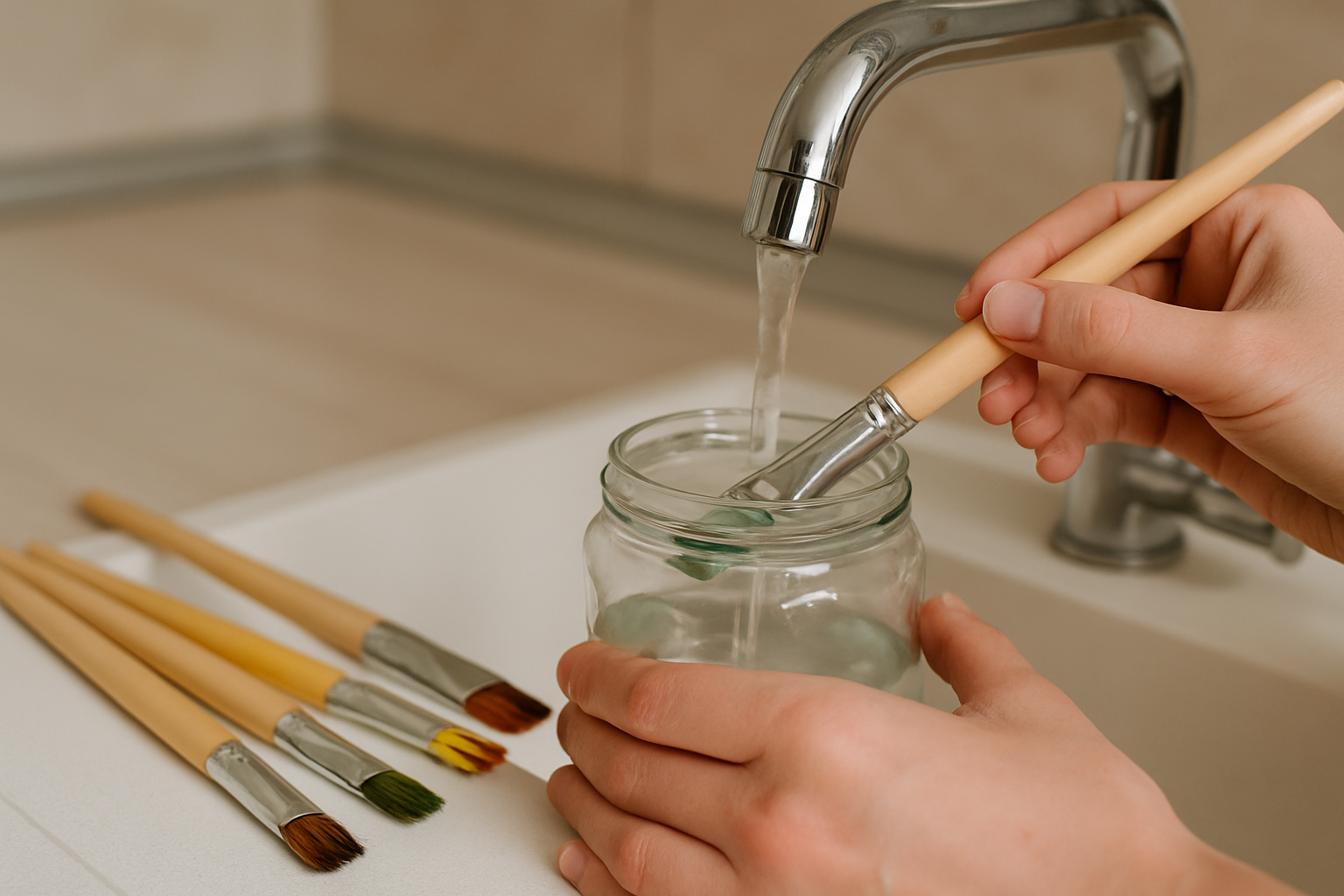
How to Clean Acrylic Paint Brushes: Easy Steps
Are your acrylic paint brushes caked with dried paint and losing their shape? Knowing how to clean acrylic paint brushes effectively is crucial for any artist who wants to maintain the quality and longevity of their tools. Improper cleaning can lead to frayed bristles and compromised performance, hindering your artistic expression. In this article, we will explore expert techniques to revitalize your brushes, keeping them in prime condition for all your creative projects. You’ll learn step-by-step cleaning methods, tips for preventing paint buildup, and how to properly store your brushes to ensure they serve you well for years to come.
Understanding Acrylic Paint and Its Properties
Acrylic paint is a versatile medium that dries quickly and can be thinned with water. However, once dry, it can be challenging to remove from brushes. Understanding the properties of acrylic paint is crucial for effective cleaning. It consists of pigment suspended in an acrylic polymer emulsion, which means it can adhere strongly to brush fibers if not cleaned promptly. The faster you act after painting, the easier it is to maintain your brushes. Knowing this can help you develop a cleaning routine that protects your brushes and prolongs their lifespan.
Why Immediate Cleaning is Essential
Immediate cleaning of brushes after use is vital because dried acrylic paint can harden and damage the bristles. If left uncleaned, the paint can clump and ruin the brush’s shape, leading to ineffective painting in the future. Establishing a habit of cleaning brushes right after use helps maintain their quality and functionality, ensuring your artistic tools remain in optimal condition.
Common Mistakes to Avoid
One common mistake is using hot water to rinse brushes, which can damage bristles and loosen the glue holding them together. Another mistake is soaking brushes in water for extended periods, as this can lead to water damage. Being aware of these pitfalls helps in adopting a more effective cleaning regimen, ensuring your brushes last longer.
Key Points:
- Acrylic paint dries quickly, making immediate cleaning essential.
- Dried paint can damage brushes, affecting their performance.
Step-by-Step Guide to Cleaning Acrylic Paint Brushes
Cleaning acrylic paint brushes requires a systematic approach to ensure all paint is removed without damaging the bristles. Start by rinsing the brush under lukewarm water to remove excess paint. Follow this with a gentle lather using soap to dissolve any remaining paint. Finally, rinse thoroughly until the water runs clear. This step-by-step method ensures that you effectively clean your brushes while maintaining their integrity for future use.
Rinsing Techniques
When rinsing your brushes, hold them under lukewarm running water with the bristles facing downward. This prevents water from getting into the ferrule, which can loosen the glue and lead to bristle loss. A gentle swaying motion can help dislodge paint particles without damaging the bristles. Proper rinsing is critical for effective cleaning and brush longevity.
Using Soap and Water
After rinsing, apply a small amount of mild soap or dish detergent to the bristles. Work the soap into the bristles gently, using your fingers to create a lather. This helps break down any remaining paint. Rinse thoroughly again, ensuring no soap residue remains, as this can affect future painting. This method helps maintain the brush’s flexibility and shape.
Key Points:
- Use lukewarm water and rinse with bristles facing downward.
- Apply mild soap to effectively break down remaining paint.
Understanding Acrylic Paint and Its Properties
Acrylic paint is a water-based medium that can dry quickly and become water-resistant once dry. Understanding these properties is crucial for effectively cleaning brushes used with acrylics. If not cleaned properly, dried paint can ruin brushes, making them unusable. Knowing how acrylic paint interacts with water will help in choosing the right cleaning method. Generally, brushes should be cleaned immediately after use to prevent paint from setting in the bristles. For best results, using warm water and gentle scrubbing is recommended, as it helps dissolve the paint without damaging the brush.
The Importance of Immediate Cleaning
Immediate cleaning of brushes after use prevents paint from hardening and becoming difficult to remove. Acrylic paint, when dried, can bond tightly to the bristles, making cleaning more labor-intensive. By establishing a routine of cleaning brushes right after painting, artists can maintain the longevity of their tools and ensure optimal performance during their next session.
Water vs. Solvent Cleaning
While acrylic paint is water-soluble when wet, it requires different cleaning techniques based on its state. For wet paint, warm soapy water is effective. For dried paint, a mixture of warm water and vinegar can help break down stubborn residues. Understanding the right approach for both scenarios is essential for preserving brush integrity and ensuring thorough cleaning.
Key Points:
- Immediate cleaning preserves brush quality.
- Different states of paint require different cleaning methods.
💡 Always clean brushes immediately after use to prevent paint from drying.
💡 Use warm, soapy water for wet paint and vinegar for dried paint.
Step-by-Step Cleaning Techniques
Cleaning acrylic paint brushes requires a systematic approach to ensure all paint is removed without damaging the bristles. Begin by rinsing the brush under warm water to remove excess paint. Follow this with a gentle lathering of dish soap to effectively break down remaining paint. Rinse thoroughly and reshape the bristles before storing. For stubborn paint, consider soaking the brush in a vinegar solution for a few minutes before washing. Adhering to these techniques will help maintain brush shape and functionality over time.
Basic Rinse and Wash Technique
Start by rinsing the brush under lukewarm water to loosen and remove excess paint. Next, apply a mild dish soap to the bristles and gently work it in with your fingers. This process will help lift any remaining paint. Rinse thoroughly until the water runs clear, reshaping the bristles with your fingers to restore their original form.
Advanced Soaking Method for Dried Paint
For brushes with dried acrylic paint, fill a small container with warm water and add a few drops of vinegar. Soak the brush for 10-15 minutes to loosen the paint. After soaking, gently scrub the bristles with your fingers or a soft cloth to remove any remaining residue, then rinse and reshape.
Key Points:
- Proper techniques ensure brushes last longer.
- Soaking can save brushes with stubborn, dried paint.
💡 Always reshape brushes after cleaning to prevent bristle damage.
💡 Consider using a gentle touch; aggressive scrubbing can ruin bristles.
EXPERT TIPS
Pro Advice
Use a brush cleaner for stubborn paint remnants.
Specialized brush cleaners can break down dried paint more effectively than soap alone, ensuring your brushes remain in top condition.
Avoid leaving brushes in water for extended periods.
Prolonged soaking can damage the glue that holds the bristles, leading to shedding and loss of brush shape.
Store cleaned brushes upright or horizontally.
Storing brushes with bristles facing up or lying flat prevents bending and damage, preserving their shape for future use.
Test brushes on paper before painting.
After cleaning, testing brushes on scrap paper ensures they are free of paint residues and ready for use.
Frequently Asked Questions
Conclusion
Cleaning acrylic paint brushes is essential for maintaining their quality and longevity. Regular cleaning with warm water and soap after each use prevents paint from drying and damaging the bristles. Proper care ensures brushes remain effective for future projects.
🎯 Key Takeaways:
- Clean brushes immediately after use to prevent drying.
- Use soap and warm water for effective cleaning.
- Dried paint requires soaking for removal.
- Store brushes only after thorough cleaning.
Expert Advice: Always prioritize brush care as it significantly impacts your painting results. Regular maintenance not only extends the life of your brushes but also enhances your overall painting experience.
Start implementing these cleaning tips today to keep your acrylic paint brushes in top condition!