
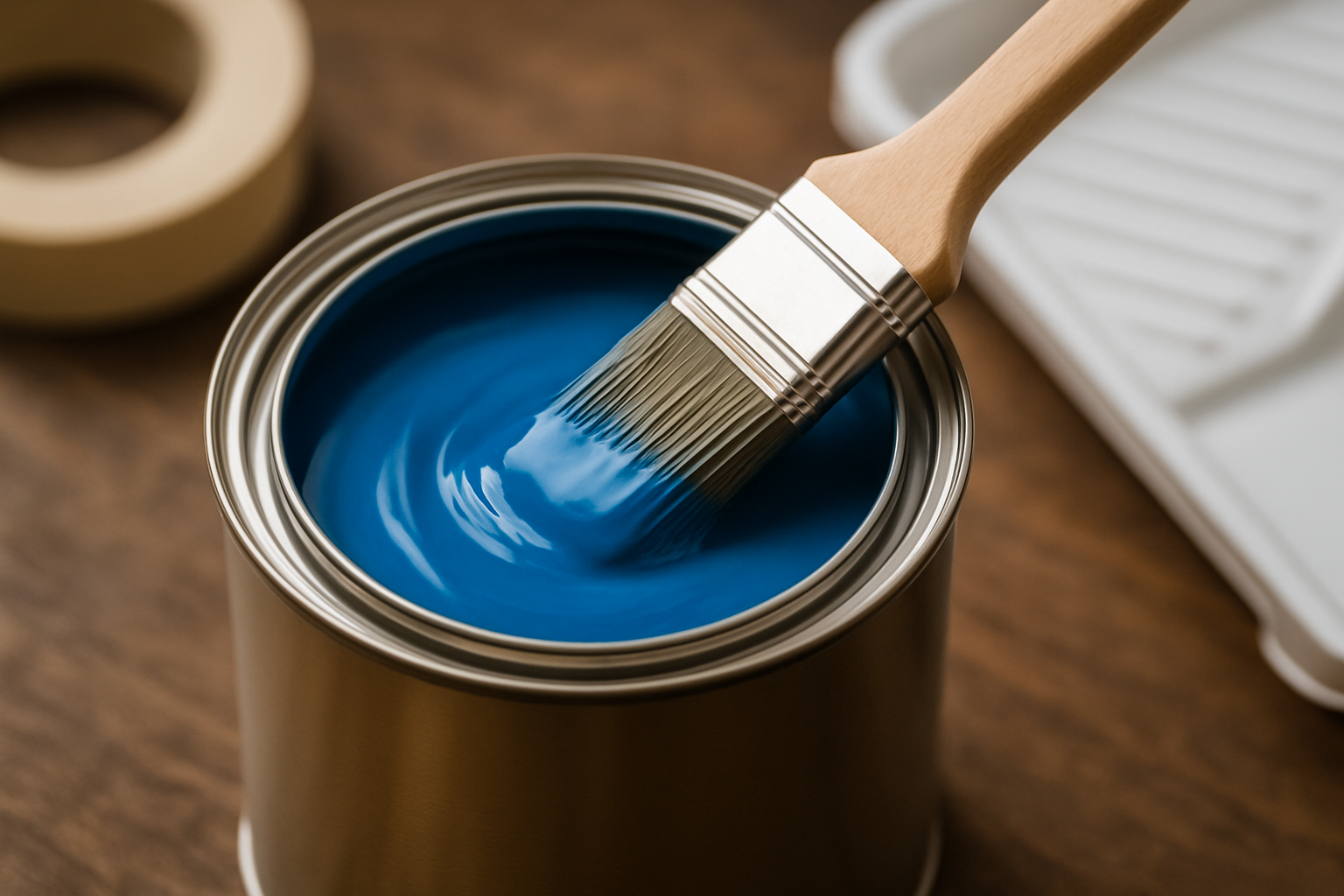
What is Acrylic Enamel Paint? Benefits and Uses Explained
What is Acrylic Enamel Paint? Discover Its Benefits and Uses
Are you confused about what acrylic enamel paint is and how it differs from other types of paint? With its unique properties and versatile applications, acrylic enamel paint has become a favorite among DIY enthusiasts and professionals alike. This type of paint combines the best features of both acrylic and enamel paints, offering durability, a smooth finish, and a wide range of colors. In this article, we will explore the definition of acrylic enamel paint, its benefits, and its various uses across different projects. By the end, you will have a clear understanding of what acrylic enamel paint is and why it might be the perfect choice for your next painting endeavor.
Understanding Acrylic Enamel Paint
Acrylic enamel paint is a type of paint that combines the benefits of acrylic and enamel formulations. It features a fast-drying, water-based composition that results in a durable finish. This paint is particularly known for its ability to achieve a high-gloss sheen while providing excellent adhesion to a variety of surfaces. Its versatility makes it suitable for both indoor and outdoor applications, including automotive, furniture, and home decor. Unlike traditional enamels, acrylic enamels are less toxic and easier to clean, as they require only soap and water for cleanup. However, this also means they may not be as resistant to harsh chemicals as solvent-based paints.
Composition of Acrylic Enamel Paint
Acrylic enamel paint is primarily composed of acrylic resin, pigments, and additives. The acrylic resin provides flexibility and durability, while the pigments ensure color vibrancy and coverage. Additives are included to improve flow, drying time, and surface finish. This combination results in a paint that dries quickly and offers a hard, glossy finish, making it ideal for surfaces that require a robust protective layer.
Applications of Acrylic Enamel Paint
Acrylic enamel paint is widely used in various applications due to its durability and attractive finish. Common uses include automotive finishes, household furniture, and decorative items. Its quick drying time allows for fast project completion, making it a popular choice among DIY enthusiasts and professionals alike. Additionally, it adheres well to surfaces such as wood, metal, and plastic, providing a versatile option for many painting projects.
Key Points:
- Acrylic enamel combines acrylic and enamel properties for durability.
- It’s suitable for indoor and outdoor applications due to its fast-drying nature.
Benefits of Using Acrylic Enamel Paint
Acrylic enamel paint offers several benefits, making it a preferred choice for many painting projects. One of its main advantages is its quick drying time, which allows for multiple coats to be applied in a single day. Additionally, the paint provides a hard, glossy finish that is both aesthetically pleasing and resilient to wear and tear. It is also water-based, which means it has lower levels of volatile organic compounds (VOCs), making it more environmentally friendly and safer to use indoors compared to solvent-based paints. Its resistance to fading and yellowing ensures that the painted surfaces maintain their appearance over time.
Durability and Finish
One of the standout features of acrylic enamel paint is its durability. Once cured, it forms a tough layer that can withstand various environmental factors, including moisture and UV exposure. This makes it ideal for outdoor projects or areas with heavy foot traffic. The glossy finish adds an elegant touch, enhancing the visual appeal of any surface while providing a protective barrier against scratches and stains.
Environmental Considerations
Acrylic enamel paint is generally regarded as a more environmentally friendly option than traditional solvent-based paints. With lower VOC levels, it contributes less to air pollution and is safer for indoor use. This aspect is increasingly important to consumers who are conscious about environmental impact and indoor air quality. By choosing acrylic enamel, painters can enjoy effective performance without compromising on safety.
Key Points:
- Quick drying time allows for efficient project completion.
- Lower VOC content makes it a safer, eco-friendlier option.
Understanding Acrylic Enamel Paint
Acrylic enamel paint is a versatile type of paint known for its durability and glossy finish. It combines the properties of acrylic paint with the benefits of enamel, making it suitable for various applications, including automotive, furniture, and crafts. This paint dries quickly and is resistant to fading, making it ideal for both indoor and outdoor use. Acrylic enamel offers a hard finish that stands up well against scratches and impacts, making it a popular choice for projects requiring a long-lasting, aesthetic appeal.
Composition and Properties
Acrylic enamel paint is primarily composed of acrylic resin, pigments, and solvents. The acrylic resin provides flexibility and adhesion, while the pigments give color and opacity. Solvents help in application and drying. This combination allows for a smooth finish that is resistant to environmental elements, making it an excellent choice for outdoor projects.
Applications and Uses
Due to its durability, acrylic enamel paint is commonly used in various applications. It is ideal for automotive finishes, where a hard, glossy surface is desired. Additionally, it is used for furniture, cabinetry, and even arts and crafts. Its quick-drying formula allows for multiple coats in a single day, enhancing productivity in projects.
Key Points:
- Acrylic enamel paint combines acrylic and enamel properties for a durable finish.
- It is suitable for a wide range of applications, from automotive to crafts.
💡 Choose the right finish for your project to achieve the desired aesthetic and functionality.
💡 Always perform a test patch before applying to ensure compatibility with surfaces.
💡 Consider environmental conditions, such as humidity and temperature, for optimal drying times.
Application Techniques for Acrylic Enamel Paint
Proper application of acrylic enamel paint is crucial for achieving the best results. Preparation and techniques can significantly influence the final finish. It is essential to work in a well-ventilated area and to prepare the surface thoroughly to ensure adhesion and durability. Using the right tools and techniques can prevent issues such as drips and uneven coverage, leading to a professional-looking result.
Surface Preparation
Before applying acrylic enamel paint, surface preparation is vital. Clean the surface to remove dust, grease, and old paint. Sanding may be necessary to create a smooth texture and improve adhesion. Proper preparation can prevent paint failure and ensure a longer-lasting finish.
Application Methods
Acrylic enamel paint can be applied using brushes, rollers, or spray guns. Each method has its advantages; for instance, spray guns provide an even coat, while brushes are ideal for detailed work. When using a spray gun, maintain a consistent distance and speed to achieve uniform coverage.
Key Points:
- Effective surface preparation enhances paint adhesion and durability.
- Different application methods can influence the final appearance of the paint job.
💡 Invest time in surface preparation to avoid costly rework later.
💡 Use multiple thin coats rather than one thick coat to prevent runs and ensure even coverage.
💡 Maintain consistent spraying technique to eliminate streaks and achieve a smooth finish.
EXPERT TIPS Pro Advice
Experiment with thinning agents
Adjusting the viscosity of acrylic enamel paint can improve flow and application, helping you achieve a smoother finish.
Use high-quality brushes or nozzles
Investing in better tools can prevent bristle marks and ensure an even application, enhancing the final appearance.
Monitor environmental factors
Temperature and humidity can affect drying times and adhesion; aim for moderate conditions to optimize results.
Consider adding a clear coat
Applying a clear coat can enhance gloss and provide additional protection against scratches and UV damage.
Keep a wet edge while painting
Working in sections and maintaining a wet edge can prevent lap marks and ensure a seamless finish.
Frequently Asked Questions
Conclusion
Acrylic enamel paint is a durable, glossy option suitable for various surfaces, including metal and wood. Its quick-drying nature and resistance to wear make it an ideal choice for both indoor and outdoor projects. Proper surface preparation and application techniques are vital for achieving optimal results.
🎯 Key Takeaways:
- Acrylic enamel offers a hard, glossy finish.
- It’s suitable for a variety of surfaces.
- Always prep surfaces for best adhesion.
- Using primer enhances durability and coverage.
- Quick drying time allows for efficient project completion.
Expert Advice: To achieve the best results with acrylic enamel paint, focus on surface preparation and apply multiple thin coats. This ensures durability and a professional-looking finish.
Explore your next painting project with acrylic enamel paint and enjoy the benefits of a beautiful, long-lasting finish!