
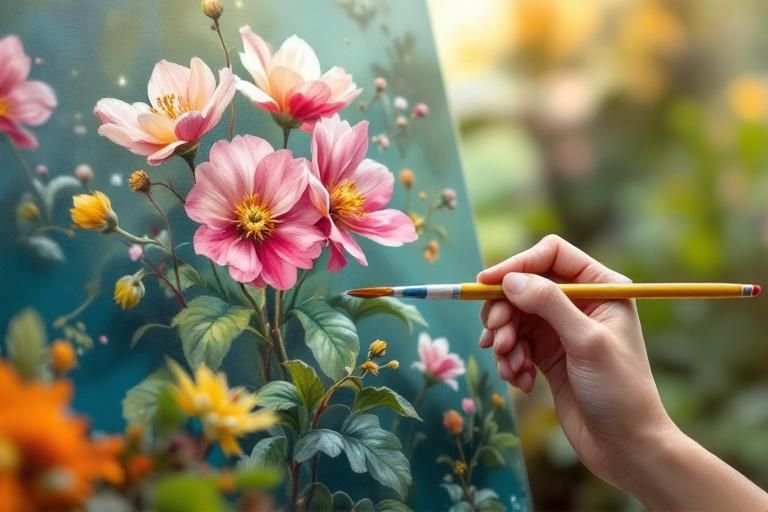
How to Paint Flowers with Acrylic Paint: A Complete Guide
Have you ever admired a beautifully painted flower and wondered how to create such stunning art yourself? Learning how to paint flowers with acrylic paint can be an enriching experience, allowing you to express your creativity while enjoying the therapeutic process of painting. With over 15 years of expertise in the art world, I have discovered techniques that can transform even the most novice artists into confident painters. In this guide, you will explore essential tips and step-by-step methods to paint vibrant and lifelike flowers. Whether you are a beginner or looking to refine your skills, this article will provide you with the knowledge and inspiration you need to bring your floral visions to life.
Understanding Acrylic Paints and Their Properties
Acrylic paint is a versatile medium that can be used to create vibrant and textured flower paintings. It dries quickly, allowing artists to layer colors without long wait times. Its water-soluble nature means it can be thinned with water or mixed with acrylic mediums for various effects. When painting flowers, the opacity and finish of acrylics can be manipulated to achieve realistic or abstract representations. Understanding these properties will help you choose the right techniques for your floral paintings.
Benefits of Using Acrylic Paint
Acrylic paint offers several advantages for flower painting. Its quick drying time allows you to work in layers, creating depth and dimension. The paint can be easily cleaned with water, making it user-friendly for artists of all levels. Additionally, acrylics can mimic the effects of both watercolor and oil paints, providing flexibility in your style.
Color Mixing Basics
Understanding color theory is crucial when painting flowers. Start by familiarizing yourself with the color wheel, focusing on primary, secondary, and tertiary colors. Mixing complementary colors can create shadows and highlights, adding realism to your floral subjects. Experimenting with different ratios will help you find the perfect shades for your flowers.
Key Points:
- Acrylics dry quickly, allowing for layering.
- Color theory is essential for achieving realistic flower hues.
💡 Experiment with different acrylic mediums to enhance texture and finish.
💡 Always test color mixes on scrap paper before applying them to your canvas.
Essential Techniques for Painting Flowers
To effectively paint flowers with acrylics, mastering specific techniques is vital. Techniques such as layering, glazing, and dry brushing can enhance the visual appeal of your floral artwork. Layering allows you to build up color and detail gradually, while glazing provides a transparent wash that can unify your color palette. Dry brushing helps to create texture, mimicking the delicate petals of flowers.
Layering Techniques
Begin by painting the base layer of your flower with a mid-tone color. Once dry, apply darker shades for shadows and lighter tones for highlights. This method creates depth and dimension, making your flowers appear more lifelike. Remember to use a soft brush to blend edges softly between layers.
Glazing and Transparency
Glazing involves applying a thin, transparent layer of paint over a dry base layer. This technique enhances depth and richness in color without overpowering the initial layer. Mix a small amount of water with your acrylic paint to achieve the right consistency, then apply it gently to create a luminous effect on your flowers.
Dry Brushing for Texture
Dry brushing is a technique where you use a dry brush with minimal paint to create texture. This method is particularly effective for depicting the delicate surface of flower petals. Lightly drag the brush over the surface to catch the raised areas, adding a realistic touch to your floral artwork.
Key Points:
- Mastering layering adds depth to your floral paintings.
- Glazing can enhance the visual richness of colors.
💡 Practice layering on smaller canvases to build confidence.
💡 Use a variety of brush sizes for different effects and details.
Understanding Acrylic Paint and Its Properties
Acrylic paint is a versatile medium that dries quickly and can be used for various techniques when painting flowers. Its water-soluble nature allows for easy blending and layering, making it ideal for creating the soft textures seen in floral compositions. Familiarizing yourself with the properties of acrylics will enhance your painting experience and results. Consider how the paint’s drying time affects your work; it typically allows for a quick build-up of layers, but this can also mean that you must work swiftly to blend colors effectively.
Color Mixing Techniques
Mastering color mixing is essential for realistic flower painting. Start by learning the color wheel to understand complementary and analogous colors. Mix primary colors to create secondary shades that mimic natural flower hues. Experimenting with different ratios can yield unique colors that enhance your floral compositions.
Brush Techniques for Texture
The type of brush and the technique used can drastically affect the outcome of your flower painting. Flat brushes work well for broad strokes and creating petals, while detail brushes are perfect for fine lines and intricate details. Try using a stippling technique with a round brush to add texture and depth to petals.
Key Points:
- Understanding acrylic properties enhances painting techniques.
- Color mixing and brush techniques are vital for creating realistic floral art.
💡 Use a palette to mix colors effectively; this allows for greater color control and experimentation.
💡 Keep a spray bottle filled with water nearby to keep your paints moist and workable.
💡 Experiment with glazing techniques by layering transparent washes of color to build depth.
Step-by-Step Guide to Painting Flowers
To paint flowers with acrylics, start with a well-planned composition. Choose a reference image or real flowers to understand their shapes and colors. Begin by sketching the basic outlines on your canvas, ensuring proportions are accurate. Once you have your base sketch, proceed with the underpainting using lighter colors as a foundation. Gradually build layers, moving from dark to light tones to create dimension and realism in the petals and leaves.
Layering and Blending Techniques
Layering is a cornerstone of acrylic painting. Begin with your darkest tones and work your way to the lightest. Use a wet-on-wet technique for blending, which involves applying wet paint over wet paint to create smooth transitions. For sharper edges, let each layer dry before adding the next one.
Adding Final Details
Once the main layers are complete, focus on adding the final details that bring your flowers to life. This can include highlights on petals, shadows for depth, and fine lines for texture. Use a small brush for precision and consider adding a contrasting background to make the flowers pop.
Key Points:
- A step-by-step approach ensures accuracy in floral painting.
- Layering and detail work are crucial for achieving realistic effects.
💡 Utilize a limited color palette to create harmony within your painting.
💡 Step back frequently to assess your work from a distance; this helps in identifying areas that need adjustment.
💡 Use a varnish after your painting is finished to protect the surface and enhance the colors.
EXPERT TIPS
Pro Advice
Plan your composition before starting.
A well-thought-out composition will guide your painting and ensure balance in your artwork.
Practice with different flower types.
Each flower has unique shapes and colors; practicing with various species improves versatility.
Experiment with different canvases.
Different surfaces can yield different textures and finishes, enhancing your overall painting experience.
Keep your palette clean.
A clean palette prevents color contamination and allows for more accurate mixing.
Frequently Asked Questions
Conclusion
Painting flowers with acrylic paint combines creativity with technique. Start with the right supplies, choose your colors wisely, and practice various techniques to enhance your skills. Sketching and using reference photos will further improve your floral artwork, making it more vibrant and realistic.
🎯 Key Takeaways:
- Gather essential supplies like acrylic paints and brushes.
- Choose colors based on natural flower hues and complementary shades.
- Utilize techniques like layering and dry brushing for depth.
- Sketch your flowers to guide your painting process.
- Reference photos can significantly improve accuracy and detail.
Expert Advice: Embrace experimentation and practice regularly. Each painting session is an opportunity to refine your skills and develop your unique style. Don’t be afraid to make mistakes; they are part of the learning process.
Start your painting journey by gathering your supplies and experimenting with different flower types today!