
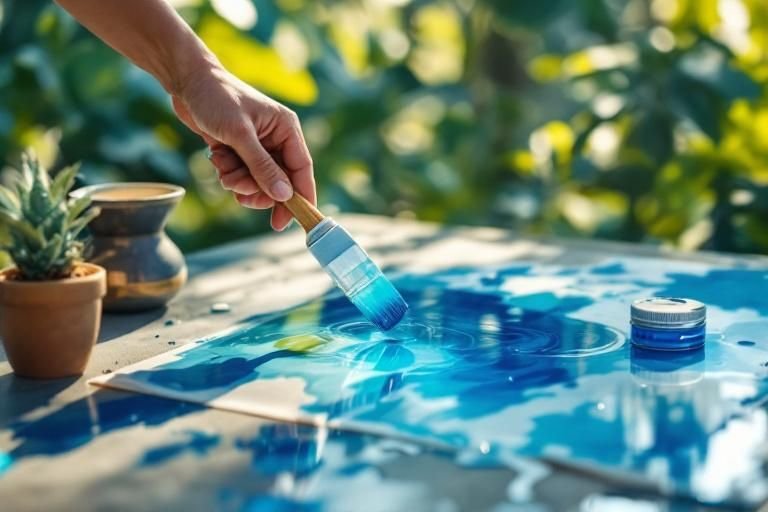
What is Acrylic Water Based Paint? Discover Its Benefits
What is Acrylic Water Based Paint? Explore Its Unique Benefits
Are you curious about what acrylic water based paint is and why it’s favored by artists and DIY enthusiasts alike? Acrylic water based paint is a versatile medium that offers vibrant colors and quick drying times, making it an indispensable choice for both beginners and professionals. As an experienced content strategist in the art and painting domain, I understand the importance of choosing the right materials for your creative projects. In this article, we’ll delve into the characteristics of acrylic water based paint, its numerous benefits, and practical applications. Whether you’re looking to refresh your home decor or explore your artistic side, this guide will equip you with the knowledge you need to make informed decisions about your painting projects.
Understanding Acrylic Water-Based Paint
Acrylic water-based paint is a versatile and popular choice among artists and homeowners alike. Composed primarily of pigment suspended in an acrylic polymer emulsion, this paint is known for its quick drying time, vibrant colors, and ease of clean-up with water. Unlike oil-based paints, which rely on solvents, acrylic paints use water as their primary solvent, making them less toxic and more environmentally friendly. This paint can be used on various surfaces, including canvas, wood, and walls, making it suitable for both fine art and home improvement projects.
Composition of Acrylic Water-Based Paint
Acrylic water-based paint consists of pigment, acrylic polymer, and water. The pigment provides color, while the acrylic polymer forms a film that binds the pigment to the surface. Water serves as the solvent, allowing for easy application and clean-up. This unique composition contributes to the paint’s flexibility, durability, and resistance to fading.
Advantages Over Other Paint Types
One of the key advantages of acrylic water-based paint is its quick drying time, which allows for faster layering and finishing. Additionally, it emits fewer volatile organic compounds (VOCs) compared to oil-based paints, making it a safer choice for indoor use. The paint is also highly versatile, suitable for various applications from fine art to home décor, and it adheres well to numerous surfaces.
Applications of Acrylic Water-Based Paint
Acrylic water-based paint is used across various fields, from artistic applications to household projects. In art, it allows for vibrant color application and blending, making it a favorite among painters. In home improvement, it can be used for wall painting, craft projects, and even furniture refinishing. Its ability to adhere to multiple surfaces and its ease of use make it the go-to choice for both professionals and DIY enthusiasts.
Artistic Uses
In the world of art, acrylic water-based paint is favored for its ability to create a wide range of textures and effects. Artists can use it for techniques such as glazing, layering, and impasto. Its quick drying time also allows for rapid changes and adjustments, fostering creativity and experimentation.
Home Improvement and DIY
For home improvement projects, acrylic water-based paint is ideal for interior walls, ceilings, and furniture. Its low odor and easy clean-up make it suitable for indoor applications. Additionally, it provides a durable finish that withstands wear and tear, making it a practical choice for high-traffic areas.
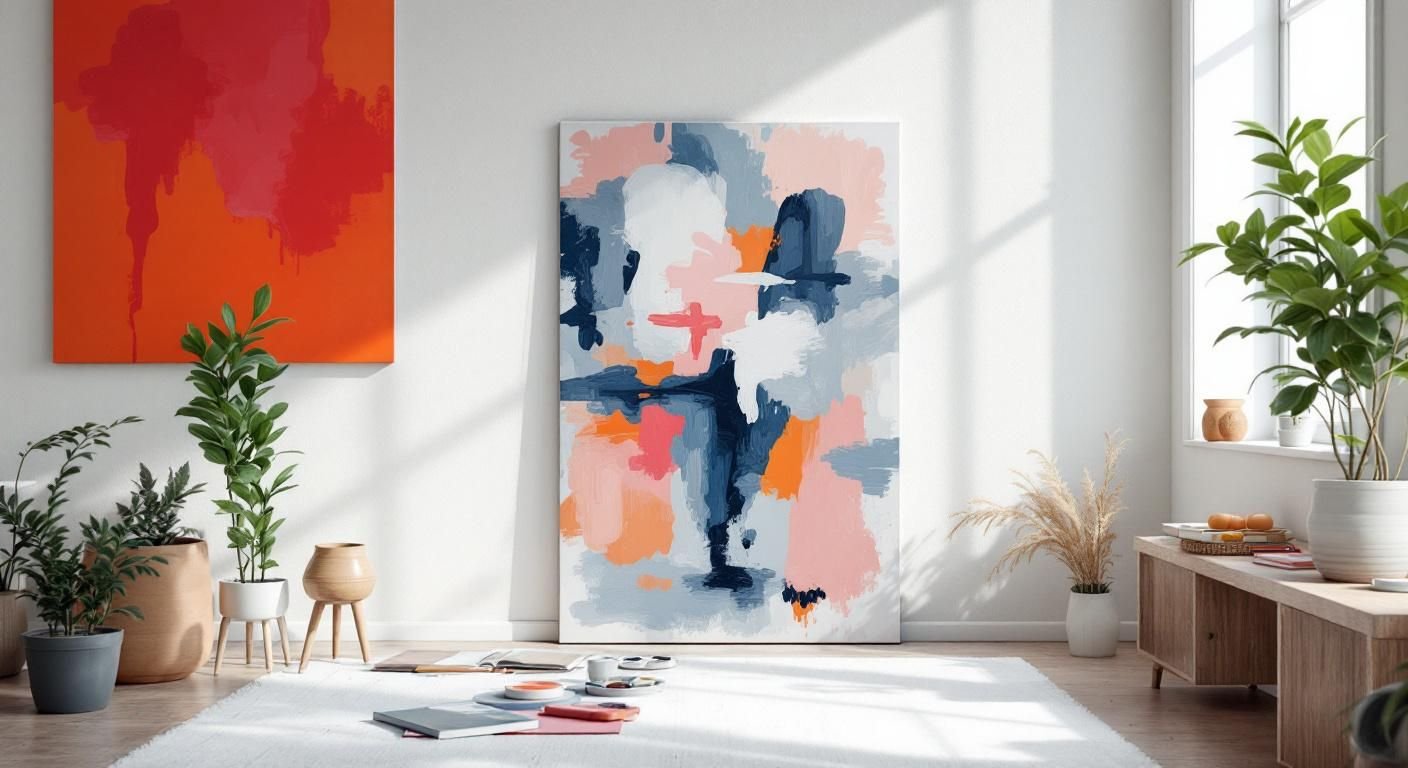
Understanding Acrylic Water Based Paint
Acrylic water based paint is a versatile medium used by artists, DIY enthusiasts, and professionals alike. Composed of pigment suspended in an acrylic polymer emulsion, this type of paint is water-soluble when wet, making it easy to clean up with soap and water. Once dry, it forms a durable, water-resistant surface. Its quick drying time allows for layering and blending, making it ideal for various applications, from canvas art to home decor. The wide range of colors and finishes available enhances its appeal, providing users with options for every project.
Composition and Properties
Acrylic water based paint consists primarily of pigments, water, and acrylic resin. The pigments provide color, while the resin binds the pigment particles together. This combination results in a flexible, durable finish that can withstand various environmental factors. The water content allows for easy application and cleanup, making it user-friendly for both amateurs and professionals.
Applications and Uses
This paint can be used on a multitude of surfaces, including canvas, wood, metal, and even ceramics. Artists appreciate its versatility for painting, pouring, or airbrushing. Additionally, it’s commonly used in home improvement projects, such as wall painting and furniture refinishing, due to its quick drying properties and minimal odor.
💡 Choose the right brushes for your paint type to achieve desired effects.
💡 Always test on a small surface before full application to gauge adhesion and finish.
💡 Layer thin coats rather than one thick layer to prevent cracking.
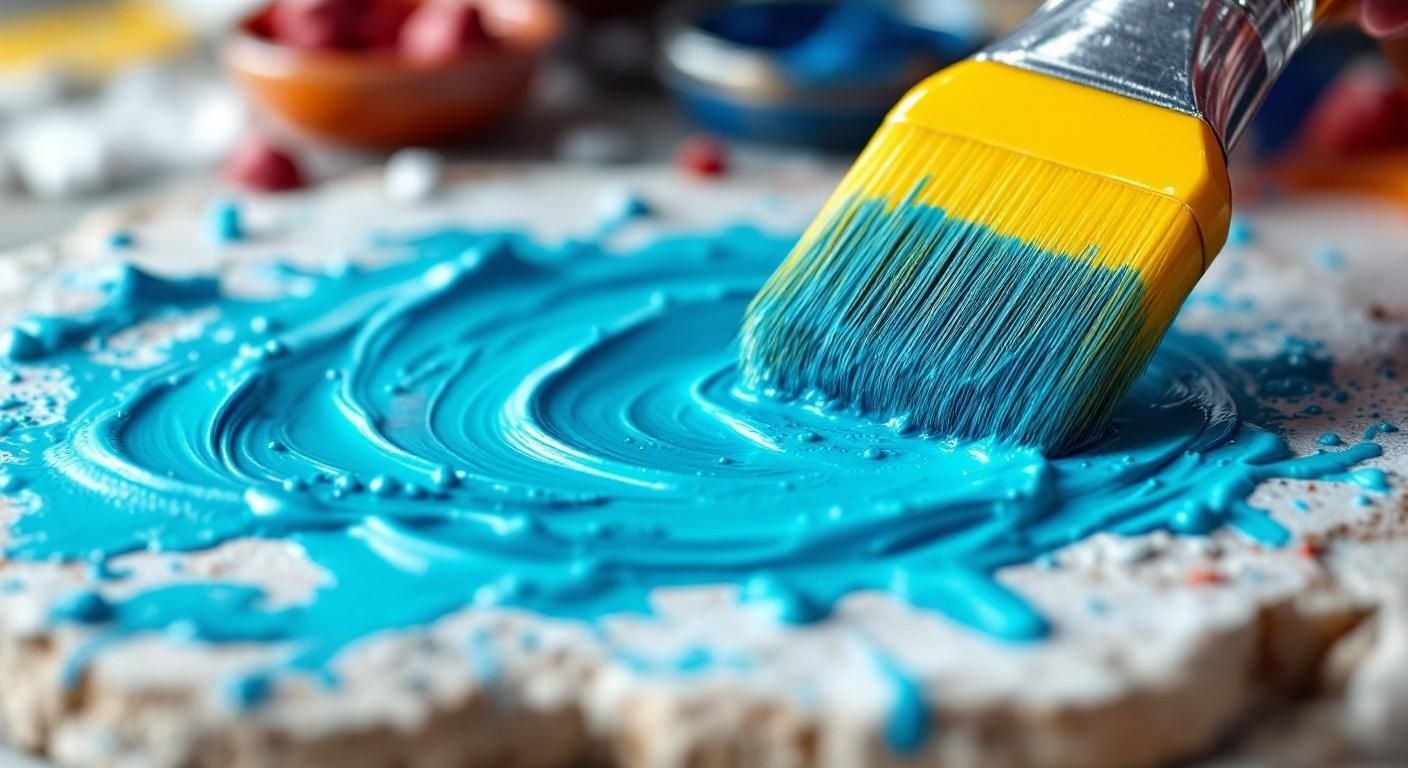
Advantages and Limitations of Acrylic Water Based Paint
Acrylic water based paint offers several advantages, including rapid drying time, ease of use, and low toxicity compared to oil-based paints. This makes it suitable for indoor projects and applications where ventilation may be limited. However, some limitations include potential color shift as the paint dries and a tendency to become water-soluble if not properly sealed. Understanding these aspects can help users make informed decisions based on their project needs.
Advantages of Acrylic Water Based Paint
One of the main advantages is its quick drying time, which allows for faster project completion and layering techniques. Additionally, its low odor and non-toxic nature make it a safe choice for indoor use. The paint also adheres well to various surfaces, providing versatility in application.
Limitations to Consider
Despite its many benefits, acrylic water based paint can present challenges. It may dry darker than it appears when wet, affecting color accuracy. Furthermore, if exposed to excessive moisture without a proper seal, the paint can rehydrate and diminish its finish. Understanding these limitations can guide users in selecting the right protective measures.
💡 Always apply a sealant for outdoor projects to enhance durability and water resistance.
💡 Mix colors thoroughly to prevent uneven drying and color discrepancies.
💡 Store leftover paint in airtight containers to prolong its lifespan.
EXPERT TIPS Pro Advice
Utilize a palette to mix colors effectively.
Mixing on a palette allows for better color control and helps prevent waste. It ensures a consistent result across your project.
Experiment with water for different effects.
Adding water can create a wash effect or increase transparency. This technique can enhance your artwork’s depth and texture.
Keep your workspace organized.
An organized workspace reduces distractions, allowing for a more efficient and enjoyable painting process.
Use a spray bottle to keep your paint moist.
A spray bottle can help maintain moisture in your palette, preventing the paint from drying out too quickly during your session.
Layer with care for best results.
Building up layers gradually rather than applying thick coats helps prevent cracking and allows for fine detail work.
Frequently Asked Questions
Conclusion
Acrylic water based paint is a popular choice for artists and DIY enthusiasts due to its quick drying time, ease of use, and versatility. Whether for indoor or outdoor projects, it offers numerous advantages over other types of paint. Understanding its properties can enhance your painting experience.
🎯 Key Takeaways:
- Acrylic water based paint dries quickly and is easy to clean.
- It is versatile and suitable for various surfaces.
- Choose exterior formulations for outdoor applications.
- Thinning can improve application for specific techniques.
Expert Advice: Experiment with acrylic water based paint to discover its potential. Practice different techniques to gain confidence and explore its versatility across various projects.
Start your creative journey by trying out acrylic water based paint in your next art project!