
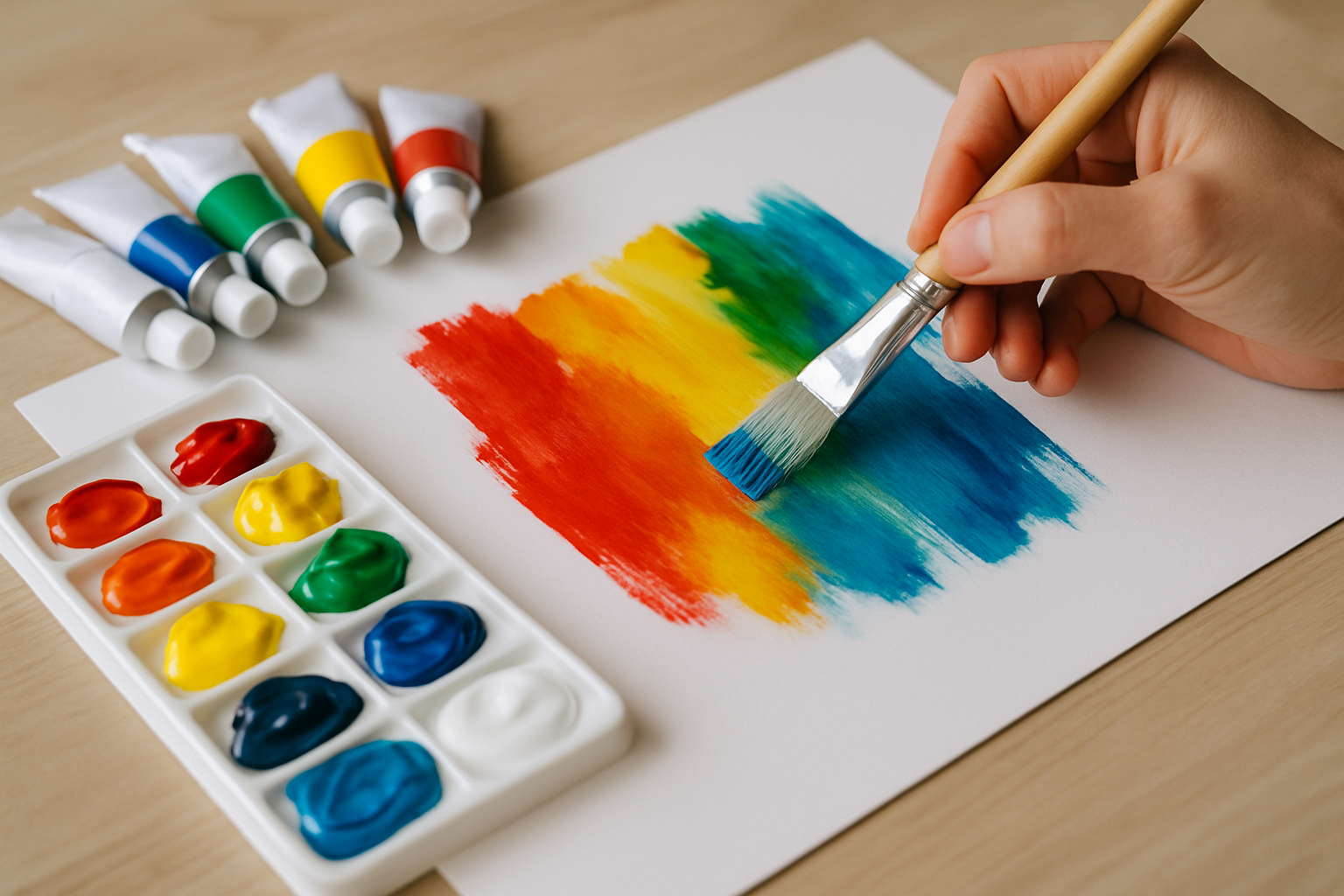
How to Paint with Acrylic Colours: A Complete Guide
Are you eager to unleash your creativity with vibrant acrylic colours? With their versatility and quick-drying properties, acrylic paints are a fantastic medium for artists of all levels. Whether you’re a complete beginner or looking to refine your skills, understanding the fundamentals of acrylic painting can transform your artistic journey. In this guide, we’ll explore essential techniques, color mixing strategies, and common pitfalls to avoid, ensuring you can confidently create stunning artwork. Get ready to dive into the world of acrylic painting and discover how to paint with acrylic colours like a pro!
Understanding Acrylic Paints
Acrylic paints are water-based and fast-drying, making them versatile for various painting techniques. They can mimic both watercolors and oil paints depending on how they are used. The medium’s adaptability makes it a popular choice for both beginners and professionals alike. Acrylics can be used on a variety of surfaces such as canvas, wood, and paper, providing artists with a broad canvas of possibilities. Additionally, they can be thinned with water or mixed with mediums to alter their texture and drying time, giving artists a wide range of effects.
Types of Acrylic Paints
There are various types of acrylic paints available, including heavy-body, fluid, and soft-body acrylics. Heavy-body acrylics are thick and ideal for impasto techniques, while fluid acrylics are more transparent and suitable for washes. Soft-body acrylics fall between the two, offering versatility without being too thick or too runny. Understanding these types helps artists choose the right paint for their desired technique.
Tools and Materials
To get started with acrylic painting, you’ll need a set of brushes, a palette, and a canvas. Brushes come in different shapes and sizes, affecting the stroke and detail of your work. A palette is necessary for mixing colors, and a canvas or acrylic paper is essential for your painting surface. Additionally, having a water container and a cloth for cleaning brushes is crucial for maintaining your tools and ensuring smoother transitions in your work.
Key Points:
- Acrylic paints are versatile and fast-drying.
- Choosing the right type of acrylic can enhance your painting technique.
Basic Techniques for Acrylic Painting
Mastering fundamental techniques is essential for anyone learning how to paint with acrylic colours. Unlike oil paints, acrylics dry quickly, which necessitates a different approach to blending and layering. Key techniques include wet-on-wet and wet-on-dry methods, as well as glazing and scumbling. Each technique offers unique effects, and experimenting with them will develop your style and control over the medium. These foundational techniques can help you achieve depth, texture, and dimension in your artwork.
Wet-on-Wet Technique
The wet-on-wet technique involves applying wet paint onto wet paint. This method allows for smooth blending of colors and soft edges, ideal for creating backgrounds or atmospheric effects. To use this technique, start with a wet brush and layer colors immediately, allowing them to mix on the canvas. This can yield vibrant, fluid compositions.
Layering and Glazing
Layering involves applying multiple coats of paint to build depth and complexity in your artwork. Glazing, on the other hand, uses thin, transparent layers of color to modify underlying hues. To glaze, thin your acrylic paint with a glazing medium and apply it over dry layers. This method is effective for achieving luminosity and richness in your colors.
Key Points:
- Experimenting with techniques enhances control over acrylics.
- Understanding drying times is key to effective blending and layering.
Understanding Acrylic Paint Properties
Acrylic paints are versatile and quick-drying, making them favorable for various techniques. They can be used on multiple surfaces, including canvas, wood, and paper. The main characteristics of acrylic paints include their water solubility when wet and their durability once dry. Understanding these properties can enhance your painting experience and results. Additionally, acrylics can mimic other mediums such as watercolor and oil paints, depending on how they are applied and diluted. This versatility allows artists to experiment with styles and techniques, providing a broad range of creative possibilities.
Water Solubility and Drying Time
Acrylic paints can be thinned with water, allowing for different consistencies and effects. The drying time varies based on thickness; a thin layer dries within minutes, while thicker applications may take longer. This quick-drying nature allows for layering but requires artists to work efficiently to avoid unwanted blending.
Color Mixing and Opacity
Acrylic paints can be mixed to create a wide range of colors, but understanding their opacity is crucial. Some colors are transparent while others are opaque. To achieve desired effects, consider how colors interact when mixed and layered. Experimenting with mixtures can lead to unique shades and increased depth in your artwork.
💡 Always use a palette knife for mixing colors to avoid contamination
💡 Test paint on scrap material to see how it dries
💡 Keep a spray bottle of water nearby to maintain moisture on your palette
Advanced Techniques for Acrylic Painting
Once you’re comfortable with the basics, exploring advanced techniques can elevate your acrylic painting skills. Techniques like glazing, impasto, and dry brushing can add depth, texture, and dimension to your artwork. Glazing involves applying thin layers of transparent paint, allowing underlying colors to show through, while impasto creates a three-dimensional effect by applying paint thickly. Mastering these techniques requires practice and patience, but they can significantly enhance the overall impact of your work.
Glazing Techniques
Glazing involves layering transparent paint to create luminous effects. To glaze, thin your acrylic paint with a medium or water and apply it over dry layers. This technique can enrich colors and create depth without obscuring the underlying details, perfect for achieving realistic skin tones or atmospheric effects.
Texturing with Impasto
Impasto is a technique where paint is applied very thickly to create texture. Using a palette knife or a brush, you can sculpt the paint on the canvas. This method adds a dynamic quality to the piece, capturing light and shadow in unique ways. Experimenting with different tools can yield various textures and effects.
💡 Practice glazing on small canvases to master layering
💡 Use a variety of brushes to create unique textures
💡 Keep your paint palette clean to prevent color contamination
EXPERT TIPS Pro Advice
Layering is key
Layering allows you to build depth and complexity in your artwork. Start with basic shapes and gradually add details and colors.
Experiment with mediums
Adding mediums to your acrylic paint can alter its texture and drying time, expanding your creative options.
Use a stay-wet palette
A stay-wet palette helps keep your acrylic paints moist longer, allowing for extended working time and more blending options.
Clean your brushes regularly
Frequent cleaning prevents paint from drying in the bristles, ensuring better application and longevity of your brushes.
Practice with a variety of surfaces
Different surfaces can affect how acrylic paint behaves. Experimenting with various materials can lead to surprising results.
Frequently Asked Questions
Conclusion
Painting with acrylic colours offers versatility and creativity for artists of all skill levels. Start by gathering the necessary supplies, prepare your canvas, and explore various techniques to enhance your skills. Remember to clean your tools and experiment with thinning methods for optimal results.
🎯 Key Takeaways:
- Essential supplies include acrylic paints, brushes, and canvas.
- Priming your canvas with gesso improves paint adhesion.
- Quick drying time can be managed with wet palettes.
- Acrylics can be used on multiple surfaces.
- Immediate cleaning of brushes prevents paint damage.
Expert Advice: Embrace experimentation to find your unique style with acrylics. Don’t hesitate to try different techniques and color combinations to enhance your artwork.
Start your acrylic painting journey today by setting up your workspace and exploring your creativity!