
What Is Acrylic Gouache Paint? Ultimate Guide Explained
Have you ever wondered what acrylic gouache paint is and how it differs from traditional paints? This versatile medium combines the best of both acrylic and gouache, making it a favorite among artists seeking vibrant colors and a matte finish. With over 15 years of experience in the art world, I understand the nuances of various painting techniques, including acrylic gouache. In this article, you will learn about the properties, benefits, and applications of acrylic gouache paint, as well as tips for getting the most out of this unique medium. Whether you’re a beginner or an experienced artist, understanding what acrylic gouache paint can offer will elevate your creative projects.
Understanding Acrylic Gouache Paint
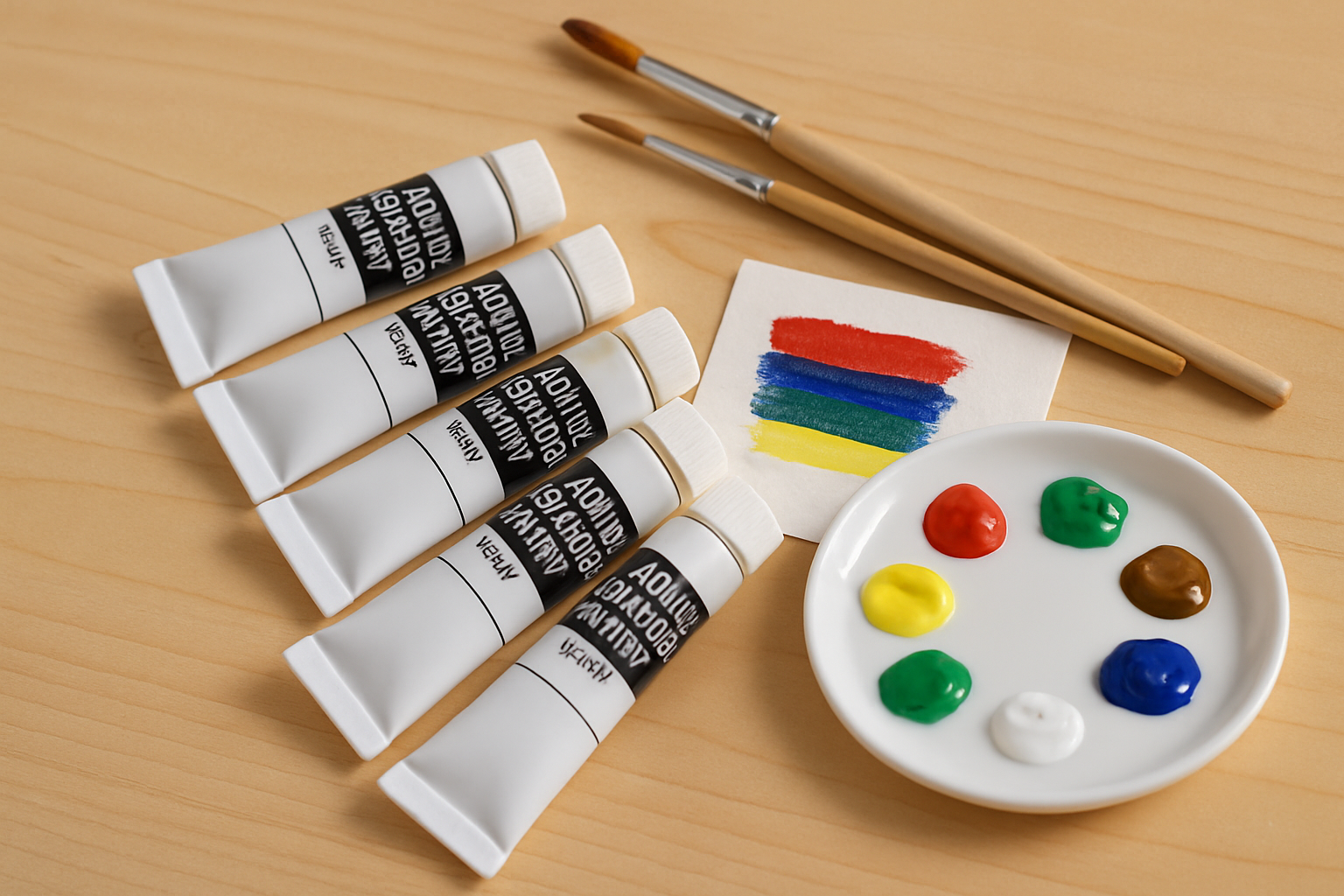
Acrylic gouache paint is a unique medium that blends the properties of acrylic paint and traditional gouache. This versatile paint offers a matte finish, vibrant colors, and quick drying time, making it popular among artists for both illustration and fine art. Unlike standard acrylics, acrylic gouache has a thicker consistency, which allows for smooth application and layering without losing opacity. It can be used on various surfaces, including paper, canvas, and wood, making it adaptable for numerous artistic styles.
Composition and Characteristics
Acrylic gouache contains pigments, water, and an acrylic polymer binder, which gives it its distinctive qualities. The paint is highly pigmented, resulting in rich and saturated colors. Its matte finish differentiates it from glossy acrylics, making it suitable for projects where reflections can be distracting. Additionally, the fast drying time allows artists to work quickly, enabling layering techniques without long waits between applications.
Comparison with Other Paints
When comparing acrylic gouache to traditional gouache, the primary difference lies in its binder. Traditional gouache is water-based and can be reactivated with water, while acrylic gouache becomes water-resistant once dry. This characteristic makes acrylic gouache more durable for outdoor applications. In contrast to acrylic paint, which has a glossy finish, acrylic gouache maintains a matte appearance, providing a unique texture that many artists prefer for specific applications.
Key Points:
- Acrylic gouache combines acrylic and gouache properties.
- It features a matte finish and quick drying time, ideal for various surfaces.
Applications of Acrylic Gouache Paint
Acrylic gouache paint is widely used in various artistic disciplines, from illustration and design to fine art. Its versatility allows artists to explore different techniques such as layering, glazing, and washes, creating diverse effects. The paint’s ability to dry quickly is particularly advantageous for artists working on tight deadlines or those who prefer to build up layers rapidly. Moreover, its opacity means that it can be applied over other colors without losing vibrancy, making it a favored choice for detailed work.
Illustration and Design
In the realm of illustration and graphic design, acrylic gouache is favored for its smooth application and vibrant hues. Artists use it to create bold illustrations, intricate patterns, and detailed designs. Its quick drying time allows for rapid revisions, making it a practical choice for commercial projects. The paint’s ability to layer without disturbing previous work also helps in achieving complex compositions.
Fine Art and Mixed Media
Acrylic gouache is increasingly popular among fine artists for canvas paintings and mixed media projects. Artists appreciate its blendability and the ability to work alongside other mediums like ink, watercolor, and collage elements. The matte finish of acrylic gouache can add depth and texture to artworks, allowing for creative expression that combines various techniques and styles.
Key Points:
- Acrylic gouache is versatile for both illustration and fine art.
- Its quick drying time aids in layering and revisions.
Understanding Acrylic Gouache Paint
Acrylic gouache paint is a versatile medium that combines the properties of acrylic paint and traditional gouache. Unlike standard gouache, which is water-based and has a matte finish, acrylic gouache dries to a waterproof, velvety finish. This unique formulation allows for vibrant colors and excellent coverage without the reactivation issues associated with traditional gouache. Artists appreciate its quick-drying nature and the ability to layer without disturbing previous applications, making it ideal for both detailed work and broader strokes. Understanding its properties is essential for maximizing its potential in artwork.
Composition and Characteristics
Acrylic gouache is composed of pigment mixed with a polymer emulsion, similar to acrylic paint. This composition ensures durability and lightfastness, making it suitable for a variety of surfaces, including paper, canvas, and wood. Key characteristics include a smooth consistency, vibrant pigmentation, and a matte finish that resembles traditional gouache while offering the benefits of acrylic’s quick drying and waterproof nature.
Application Techniques
Using acrylic gouache requires specific techniques to fully leverage its properties. It can be applied with brushes, palette knives, or even spray bottles. Layering is a common technique; artists can build up colors without muddying previous layers. Additionally, water can be added to the paint to achieve different levels of transparency or consistency, giving artists flexibility in their application.
💡 Always test a small area before applying to your main work to understand how the paint behaves.
💡 Layering is key; allow each layer to dry fully to maintain clarity and vibrancy.
💡 Experiment with different surfaces to discover how they affect the paint’s finish.
Practical Uses of Acrylic Gouache Paint
Acrylic gouache is favored by artists for various applications, from illustration to fine art. Its adaptability allows for both detailed paintings and larger murals. Because of its unique finish, it is also popular in graphic design, where bold colors and clean lines are essential. This section explores its practical uses and tips for achieving the best results in various projects.
Illustration and Design
In illustration, acrylic gouache offers artists the ability to create vibrant, opaque colors that can be layered or blended seamlessly. It is particularly effective for digital artists who wish to replicate traditional mediums. With a matte finish, it helps in reducing glare, making it ideal for prints and reproductions.
Mixed Media Applications
Acrylic gouache works well in mixed media art, allowing artists to combine it with other materials like ink, charcoal, or collage elements. Its quick drying time means that artists can add layers without waiting long periods. When used alongside other media, it can create depth and texture in artwork, enhancing the visual experience.
💡 Combine with other mediums for unique textures; acrylic gouache complements inks and pastels well.
💡 Plan your color palette in advance to avoid muddy colors when layering.
💡 Use a variety of brushes and tools to explore different textures and effects.
EXPERT TIPS Pro Advice
Use a wet palette to keep your acrylic gouache workable longer.
This helps maintain moisture and prevents the paint from drying out too quickly, allowing for more extended working time.
Consider using a varnish for protection after your work is complete.
A varnish can enhance the vibrancy and longevity of your acrylic gouache artwork, providing a protective layer against dust and UV light.
Mix acrylic gouache with traditional gouache for added effects.
This combination can produce interesting finishes and textures, giving your artwork a unique flair.
Keep your brushes clean and moist during use.
This prevents the paint from drying in the bristles, ensuring that your tools remain effective and your work stays smooth.
Practice on various surfaces to find your preferred texture.
Different surfaces can drastically change how acrylic gouache behaves, so experimentation is key to discovering your ideal application.
Frequently Asked Questions
Conclusion
Acrylic gouache paint uniquely merges the properties of acrylic and traditional gouache, offering artists vibrant colors and a matte finish. Its versatility, quick drying time, and compatibility with various surfaces make it an excellent choice for diverse creative projects. Understanding its characteristics can enhance your artistic experience.
🎯 Key Takeaways:
- Acrylic gouache dries quickly and offers a matte finish.
- It can be mixed with other acrylic paints but not with watercolors.
- Proper cleaning of brushes is essential for longevity.
- Versatile surfaces include paper, canvas, and wood.
- Using mediums can enhance the paint’s properties.
Expert Advice: Experiment with acrylic gouache to discover its unique qualities and techniques. Don’t hesitate to mix colors and explore various surfaces to find your artistic style.
Start your journey with acrylic gouache paint today by gathering your materials and creating your first artwork!