
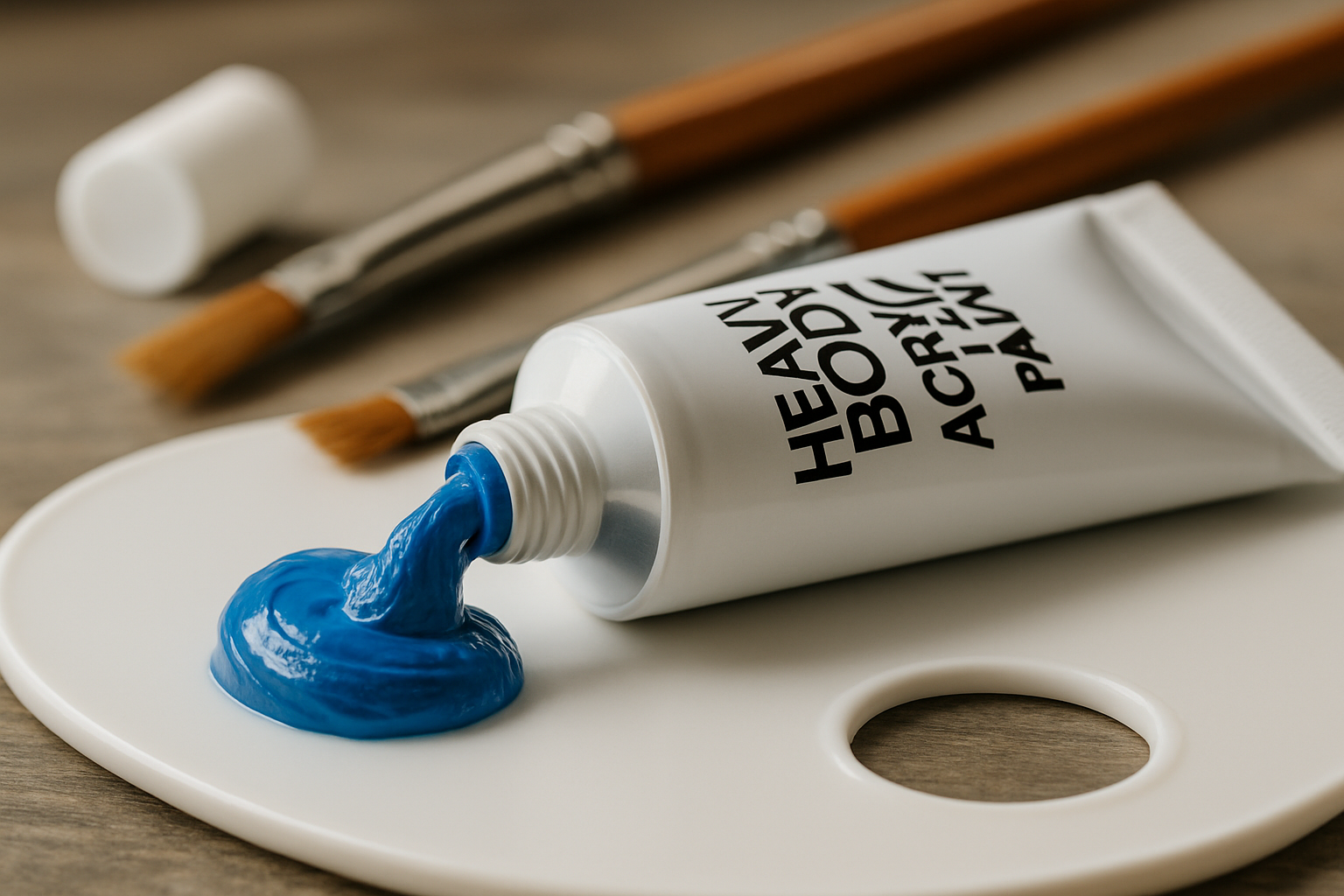
What is a Heavy Body Acrylic Paint? Discover Its Benefits
Have you ever wondered what sets heavy body acrylic paint apart from other types of acrylics? This versatile medium is favored by many artists for its thick texture and rich pigmentation. With a higher viscosity than traditional acrylics, heavy body acrylic paint allows for a range of techniques, including impasto and thick brushwork, making it ideal for creating texture in your artwork. In this article, we will explore the defining characteristics of heavy body acrylic paint, its benefits, and essential techniques for using it effectively. Whether you’re a seasoned artist or just starting, understanding this medium can significantly enhance your painting experience and results.
Understanding Heavy Body Acrylic Paint
Heavy body acrylic paint is a versatile medium favored by artists for its thick, buttery consistency. This type of paint retains brush strokes and texture, allowing for expressive, impasto techniques. Unlike traditional acrylics, heavy body acrylics contain a higher viscosity, making them ideal for creating dimensional artworks. They dry quickly, are water-resistant when dry, and can be used on various surfaces, such as canvas, wood, and paper. Artists appreciate the vibrant colors and flexibility of heavy body acrylics for both fine detail work and broad strokes.
Composition of Heavy Body Acrylic Paint
Heavy body acrylic paint is composed of pigment, acrylic polymer emulsion, and additives. The high pigment concentration gives it rich color and opacity. The acrylic polymer provides a flexible, durable finish that adheres well to surfaces. Additives can enhance characteristics like drying time and consistency, allowing for a thicker application without sacrificing workability.
Applications and Techniques
Artists use heavy body acrylic paint for various applications, including painting, glazing, and texturing. Techniques such as layering and impasto can create depth and dimension in a piece. Heavy body acrylics are also suitable for mixed media projects, where artists can combine different materials to achieve unique effects. The paint’s quick drying time allows for rapid layering, which is essential for certain artistic styles.
Key Points:
- Heavy body acrylics are thick and retain texture.
- They are versatile for various artistic applications.
Benefits of Using Heavy Body Acrylic Paint
One of the primary benefits of heavy body acrylic paint is its ability to hold brush strokes and create texture, lending a tactile quality to artworks. This medium allows for expressive work, as artists can manipulate the paint easily to create depth. Additionally, heavy body acrylics are compatible with various tools, including palette knives and brushes, enhancing creativity. They are also water-soluble when wet, making cleanup easy, but once dried, they become permanent and water-resistant, ensuring longevity in finished pieces.
Durability and Longevity
Heavy body acrylic paints are known for their durability. Once dry, they form a flexible film that resists cracking and fading, making them suitable for both indoor and outdoor artworks. This durability ensures that the artwork retains its vibrancy over time, which is especially important for professional artists and galleries.
Color Vibrancy and Opacity
The high pigment load in heavy body acrylic paints results in vibrant colors that maintain their intensity when dry. This opacity allows for excellent coverage on various substrates, making it easier to achieve desired effects without multiple layers. Artists appreciate this feature, as it saves time and ensures consistent color application.
Key Points:
- Heavy body acrylics create durable, long-lasting artworks.
- They offer vibrant colors and excellent coverage.
Understanding Heavy Body Acrylic Paint
Heavy body acrylic paint is a thick, textured paint favored by artists for its ability to hold brush strokes and maintain a three-dimensional quality. Unlike fluid acrylics, heavy body paints have a higher viscosity, which allows for impasto techniques, where paint is applied thickly to create depth. This type of acrylic dries quickly and is water-resistant once cured, making it ideal for various applications, from fine arts to crafts. The rich pigment concentration offers vibrant colors, and artists often mix it with mediums to achieve different effects without compromising texture.
Characteristics of Heavy Body Acrylics
Heavy body acrylics are known for their buttery consistency, allowing for smooth application and blending. They dry to a semi-gloss finish, enhancing the color vibrancy. Unlike other forms of acrylic, their thick consistency means they resist running, making them suitable for layering and detailed work. Artists appreciate their versatility in creating texture and dimension on canvas or other surfaces.
Applications in Art
Heavy body acrylics are commonly used in various artistic techniques, including impasto and palette knife painting. They are also suitable for mixed media applications, as they can be combined with other materials like pastels or charcoal. Additionally, their quick drying time allows artists to work efficiently, layering colors without long waits in between.
Key Points:
- Heavy body acrylics retain brush strokes and texture.
- They are versatile for both traditional and mixed media applications.
💡 Experiment with mixing heavy body acrylics and mediums to find unique textures.
💡 Use a palette knife for dynamic texture effects and sharp edges in your artwork.
Techniques and Best Practices
To effectively use heavy body acrylic paint, understanding the techniques and best practices is crucial. Due to their thick consistency, these paints require specific approaches for blending and layering. Artists should consider using appropriate brushes or tools that can handle the viscosity. Techniques such as dry brushing or glazing can enhance the aesthetic appeal of the artwork without losing the textural qualities that heavy body acrylics provide.
Layering Techniques
When layering heavy body acrylics, it’s essential to start with thin layers and gradually build up thickness. Allow each layer to dry completely to prevent smudging or mixing unwanted colors. This approach not only enhances depth but also allows for a more controlled application of color and texture, creating a more dynamic final piece.
Maintaining Consistency
Keeping a consistent texture throughout your artwork is vital. To achieve this, artists can use a palette knife to mix colors directly on the palette, ensuring a uniform consistency before applying. Additionally, consider using a medium specifically designed to enhance thickness without altering the paint’s properties, allowing for greater control over the final outcome.
Key Points:
- Use specific layering techniques for optimal results.
- Maintain consistency in texture to enhance the overall quality of the artwork.
💡 Layer thinly to achieve depth without losing detail.
💡 Utilize a wet palette to maintain paint moisture during longer sessions.
EXPERT TIPS Pro Advice
Choose the right tools.
Using the appropriate brushes and palette knives can significantly impact your ability to manipulate heavy body acrylics, allowing for better control over texture and application.
Experiment with drying times.
Understanding how quickly heavy body acrylics dry can help you plan your painting sessions, allowing for more effective blending and layering.
Incorporate mediums wisely.
Using mediums can alter the texture and finish of heavy body acrylics, enabling artists to expand their techniques and achieve desired effects without compromising paint integrity.
Practice impasto techniques.
Heavy body acrylics excel in impasto, where thick applications create dimension; practicing this technique can enhance your ability to create striking, textured artworks.
Frequently Asked Questions
Conclusion
Heavy body acrylic paint is a versatile medium valued for its thickness and texture. It differs from regular acrylics in viscosity, offering unique applications for artists. Understanding its properties helps in creating textured, expressive artwork. Experimenting with techniques will enhance artistic skills.
🎯 Key Takeaways:
- Heavy body acrylic paint is thick and rich in texture.
- It allows for dynamic brush strokes and impasto techniques.
- Thinning with water or mediums is possible but should be done cautiously.
- Suitable surfaces include canvas, wood, and prepared paper.
- Beginners can use it but may benefit from starting with regular acrylics.
Expert Advice: Embrace the unique qualities of heavy body acrylic paint by experimenting with various techniques. Practice will enhance your skills and understanding of how to manipulate texture for your creative vision.
Try out heavy body acrylic paints in your next art project and explore your creative boundaries!