
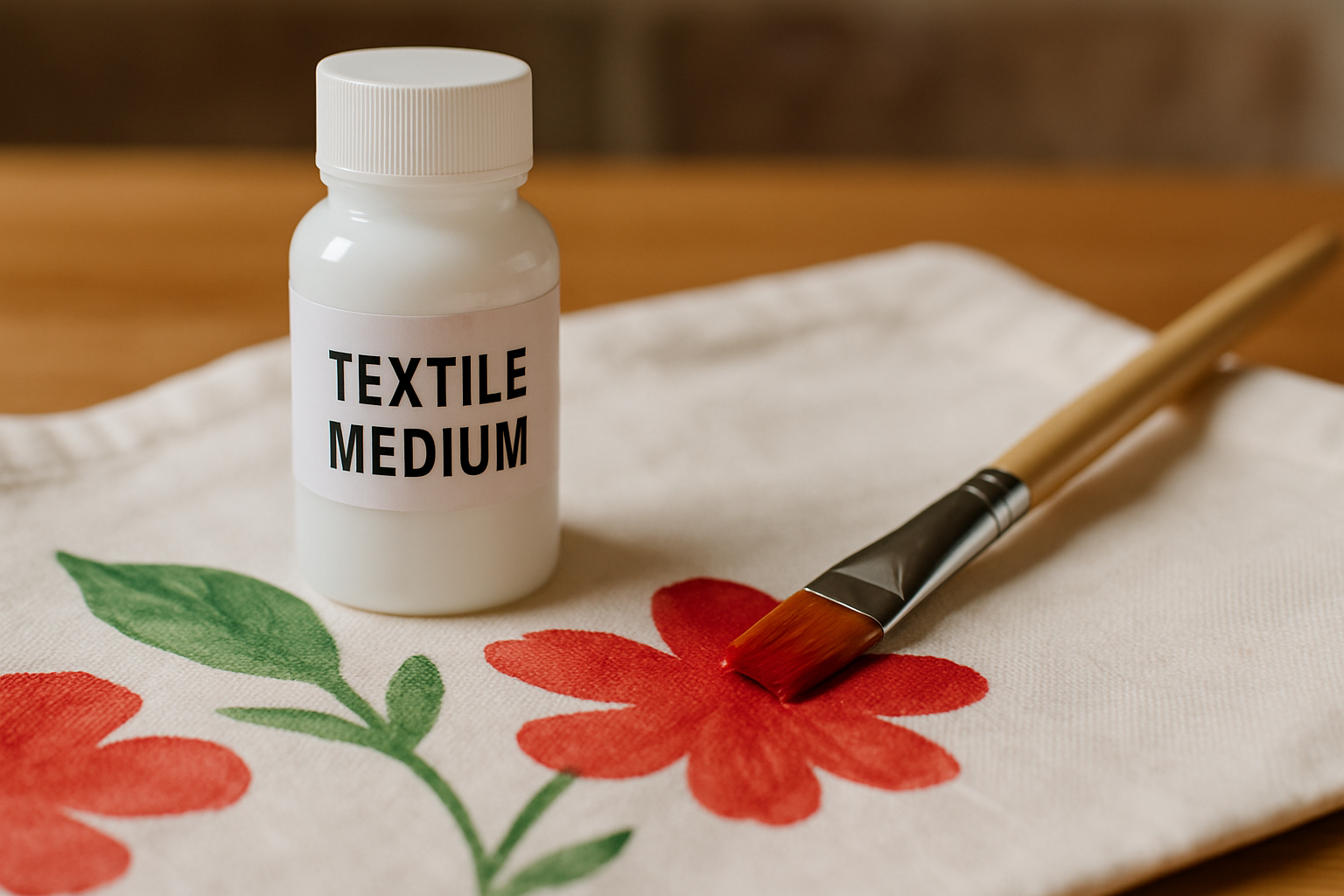
What is Textile Medium for Acrylic Paint: A Complete Guide
Have you ever wondered how to achieve vibrant and durable designs on fabric using acrylic paint? Understanding what textile medium for acrylic paint is can transform your fabric art projects. Textile medium is an additive that modifies the properties of acrylic paint, enabling it to adhere better to fabrics and maintain flexibility after drying. As an experienced artist and educator, I have explored various methods to enhance fabric painting techniques, and I am here to share valuable insights. In this article, you’ll learn about the definition of textile medium, its benefits, application techniques, and tips to avoid common pitfalls. Get ready to elevate your fabric art with the right knowledge!
Understanding Textile Medium for Acrylic Paint
Textile medium is a versatile additive used to transform standard acrylic paint into a fabric-friendly medium suitable for textiles. When mixed with acrylic paint, it alters the paint’s properties, allowing it to adhere well to fabric surfaces without compromising flexibility or durability. This transformation is essential for artists and crafters who wish to incorporate painted designs onto clothing, bags, or other fabric items. The use of textile medium ensures that the final product is washable and retains its vibrancy over time.
Composition and Properties
Textile medium is primarily composed of a polymer that modifies acrylic paint’s consistency. This additive allows the paint to penetrate the fibers of the fabric, creating a strong bond. The resulting paint maintains its flexibility, which is crucial for items that undergo regular wear and movement. Understanding these properties helps artists select the appropriate ratios for optimal results.
Benefits of Using Textile Medium
Incorporating textile medium into acrylic paint offers several benefits. It enhances the paint’s adhesion to fabric, reduces brittleness, and improves the overall finish. Additionally, it allows for easier clean-up since the paint behaves more like a traditional fabric dye. This versatility makes it an essential tool for textile artists and hobbyists alike.
Key Points:
- Textile medium modifies acrylic paint for fabric use
- It ensures flexibility and durability on textiles
Application Techniques for Textile Medium
When applying textile medium with acrylic paint, several techniques can enhance the final outcome. Proper mixing and application methods can significantly impact the vibrancy and longevity of the design. Artists can experiment with different techniques to discover the best approach for their specific project, whether it’s stenciling, freehand painting, or printing. Understanding these techniques is essential to ensure the best adherence and finish on the fabric.
Mixing Ratios
The effectiveness of textile medium largely depends on the mixing ratio with acrylic paint. A common guideline is to mix one part textile medium with two parts acrylic paint. However, artists may adjust this ratio based on the desired opacity and texture. Testing on a scrap piece of fabric before starting on the final project is advisable for best results.
Application Methods
Different application methods yield varying results when using textile medium. Techniques such as brush painting, sponge application, or screen printing can create distinct effects. Artists should consider the fabric type and the intended design when choosing the application method to ensure an even and durable finish.
Key Points:
- Mixing ratios are crucial for desired effects
- Different application methods can enhance design outcomes
Understanding Textile Medium for Acrylic Paint
Textile medium is an additive for acrylic paint that allows it to be used on fabric without losing flexibility or durability. When mixed with acrylic paints, it transforms the paint into a fabric-friendly medium, making it suitable for various fabric art projects. This medium is particularly useful for artists and crafters who want their designs to be washable and long-lasting. The application of textile medium is straightforward, often requiring a 1:1 ratio with paint. When dry, the paint retains its color vibrancy while becoming soft and flexible, unlike traditional acrylic paint which can become stiff on fabric.
Application Techniques
Applying textile medium can be done using various methods, such as brush, sponge, or spray. For brush application, ensure even coverage to avoid clumping. A sponge can create texture, while spraying allows for even distribution without brush strokes. Always test your technique on a scrap piece of fabric before starting your main project to ensure desired results.
Curing and Washing
After application, it’s crucial to cure the fabric to set the paint. This can be done by heat-setting with an iron or allowing it to air dry for a specified period. Once cured, the painted fabric can generally withstand gentle washing. However, it’s advisable to follow specific washing instructions to prolong the life of the painted design.
Key Points:
- Textile medium allows acrylic paint to adhere to fabric without becoming rigid.
- Proper application and curing techniques enhance durability and washability.
💡 Ensure fabric is clean and pre-washed to enhance adhesion of the paint and medium.
💡 Experiment with different ratios of paint to medium for desired opacity and texture.
💡 Always do a test wash on a small piece to check durability before working on larger projects.
Benefits and Limitations of Textile Medium
Using textile medium with acrylic paint offers several benefits, including increased flexibility, durability, and the ability to create vibrant and washable designs. It opens up a world of opportunities for fabric art, from clothing to home decor. However, it is essential to recognize its limitations. While the medium enhances the paint’s performance on fabric, it may not be suitable for all fabric types, especially those that are heavily textured or coated. Additionally, the finished product may still be less durable than specialized fabric paints under extreme washing conditions.
Versatility in Fabric Arts
Textile medium expands the scope of projects you can undertake, allowing for intricate designs on garments, quilts, and upholstery. It is compatible with various fabric types, including cotton, linen, and blends. This versatility encourages creativity, enabling artists to explore different techniques such as stenciling, screen printing, and freehand painting.
Considerations for Use
While textile medium has many advantages, artists should consider factors like fabric type, paint thickness, and curing time. Some fabrics may require special preparation, such as pre-washing or using a stabilizer. Additionally, it’s essential to follow the manufacturer’s guidelines to ensure optimal results and avoid issues like fading or cracking over time.
Key Points:
- Textile medium enhances flexibility and washability of acrylic paint on fabric.
- Limitations exist depending on fabric type and application technique.
💡 Choose your fabric wisely; natural fibers often yield better results than synthetic ones.
💡 Consider adding a fabric sealer over the completed design for added protection.
💡 Keep in mind that heavy applications may alter the fabric’s texture and drape.
EXPERT TIPS Pro Advice
Mix with care
Finding the right balance between paint and medium is crucial for achieving desired results. A 1:1 ratio is a good starting point, but adjust based on your project’s needs.
Test before application
Always conduct a test on a similar fabric to see how the paint and medium interact. This helps avoid surprises in your final project.
Heat-setting is key
Proper heat-setting is essential to ensure longevity. Use an iron on the appropriate setting based on your fabric type to lock in the design.
Layer for depth
Consider layering different colors or techniques with textile medium to create depth in your designs. This can elevate the overall aesthetic.
Research fabric care
Understanding how to care for your finished fabric art is important for maintaining its appearance. Research washing and drying guidelines specific to your project.
Frequently Asked Questions
Conclusion
Textile medium is a valuable tool for transforming acrylic paint into a fabric-friendly medium, enhancing flexibility and washability. By mixing it with paint and applying it properly, you can create lasting fabric designs. Remember to heat set your work for optimal durability.
🎯 Key Takeaways:
- Textile medium modifies acrylic paint for fabric use.
- Mix in a 1:1 ratio for best results.
- Always heat set painted fabrics for durability.
- Test on fabric before committing to designs.
Expert Advice: Experiment with various application techniques to discover your unique style. Always prioritize safety, especially when involving children in fabric art projects.
Try creating a fabric project with textile medium today and unleash your creativity!