
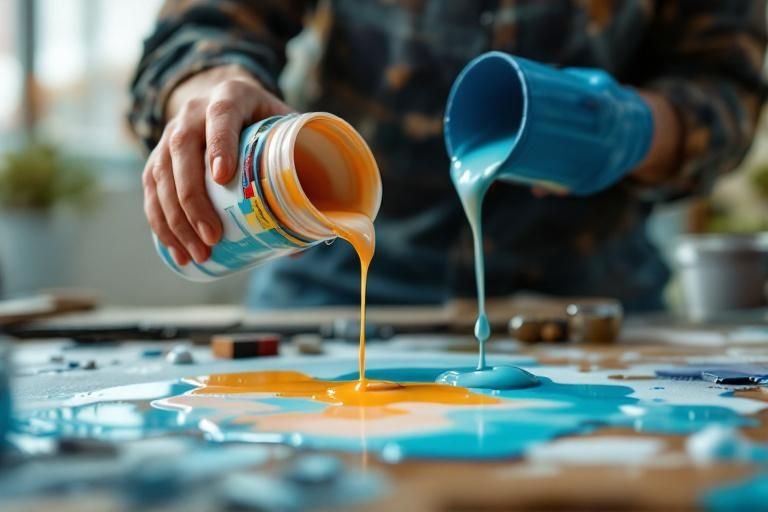
What is Pouring Acrylic Paint? Discover This Exciting Technique
Have you ever wondered what pouring acrylic paint is and why it’s become a popular choice among artists? This captivating technique allows for the creation of stunning, abstract art with minimal effort, transforming traditional painting into a dynamic experience. As a seasoned expert in fluid art, I will guide you through the essential aspects of pouring acrylic paint, from understanding the basic principles to exploring advanced techniques. In this article, you’ll learn about the supplies needed, how to mix colors effectively, and tips for achieving mesmerizing results. Whether you’re a beginner or an experienced artist looking to expand your skills, this comprehensive guide will provide valuable insights to enhance your artistic journey.
Understanding Pouring Acrylic Paint
Pouring acrylic paint is an innovative painting technique that involves mixing acrylic paint with a pouring medium, allowing for smooth, flowing applications. This method creates unique patterns and textures as the paint is poured onto a surface, often resulting in vibrant, abstract art. The process is relatively simple and can be accomplished by artists of all levels, making it a popular choice for both beginners and seasoned professionals. The key to successful pouring is the right consistency of the paint, achieved through the addition of a pouring medium, which enhances flow and reduces viscosity.
The Basics of Acrylic Pouring
Acrylic pouring typically involves combining acrylic paint with a pouring medium, such as acrylic gloss medium or a silicone oil. This mixture alters the paint’s properties, allowing it to spread easily over a canvas or other surface. The technique can be performed using various methods, including the dirty pour, flip cup, and straight pour, each producing distinct results. Understanding these techniques is crucial for creating stunning artwork.
Essential Materials Needed
To start pouring acrylic paint, you will need a few essential materials: acrylic paints, a pouring medium, a canvas or surface to pour on, and tools like cups and stirrers. While the paint colors can be chosen based on personal preference, the quality of the pouring medium is crucial for achieving the desired flow and finish. Additionally, protective gear, such as gloves and a drop cloth, should be used to manage the mess associated with this technique.
Key Points:
- Pouring acrylic paint allows for unique artistic expressions
- Proper consistency of paint is vital for successful pouring
Techniques and Methods in Acrylic Pouring
There are several techniques involved in pouring acrylic paint, each offering different visual effects and styles. These methods allow artists to experiment with color blending and layering, resulting in one-of-a-kind pieces. Mastering these techniques can enhance an artist’s ability to create dynamic artwork while also providing a platform for creativity and exploration. Understanding the nuances of each method can lead to better outcomes and more satisfying results.
Common Pouring Techniques
Some common pouring techniques include the dirty pour, where multiple colors are layered in a cup before being poured, and the flip cup, where the cup is flipped onto the canvas to create a spontaneous design. Other techniques, like the puddle pour, involve pouring individual colors directly onto the canvas. Each method has its unique characteristics and can produce diverse effects, encouraging experimentation.
Creating Effects with Additives
Artists often use additives like silicone oil or alcohol to create effects such as cells or lacing within the paint. These additives interact with the acrylic paint and pouring medium, resulting in striking visual patterns. It is essential to experiment with different amounts and types of additives to see how they affect the final outcome, as this can significantly enhance the artwork’s depth and texture.
Key Points:
- Different pouring techniques yield varied artistic results
- Additives can enhance the visual effects in pour paintings
Understanding Pouring Acrylic Paint
Pouring acrylic paint is a technique that involves mixing acrylic paint with a pouring medium to create a fluid consistency. This method allows artists to achieve unique, marbled effects and vibrant color blends on canvas or other surfaces. The key to successful pouring is mastering the right paint-to-medium ratio, which can vary based on the desired effect. Generally, a 1:1 ratio is a good starting point, but experimentation is encouraged to achieve specific looks. Once mixed, the paint can be poured directly onto the canvas or manipulated using various techniques, such as tilting or blowing air to create movement.
The Pouring Medium
The pouring medium is crucial in achieving the right viscosity for acrylic paint. It helps improve flow and reduces the paint’s tendency to crack as it dries. Common pouring mediums include acrylic gloss medium and silicone oil, which can also enhance cell formation in the paint. When selecting a medium, consider the final finish you want; some mediums will dry glossy while others may provide a matte finish. Always test your mixture on a small scale before committing to a larger project.
Techniques for Pouring
There are various techniques for pouring acrylic paint, each producing different visual effects. The ‘dirty pour’ method involves layering different colors in a cup before pouring them onto the canvas, creating a blend of colors. The ‘flip cup’ technique entails flipping a cup of mixed paint onto the canvas and allowing it to spread naturally. Experimenting with these techniques will help you discover what works best for your artistic style and the effects you wish to achieve.
💡 Experiment with different pouring mediums to find the right consistency for your project.
💡 Try layering colors in your cup before pouring to create dynamic results.
💡 Use a blow dryer or straw to manipulate the paint and create unique patterns.
Common Challenges and Solutions in Acrylic Pouring
While pouring acrylic paint can be an enjoyable process, it is not without its challenges. Issues such as paint separation, uneven drying, and unwanted bubbles can detract from the final artwork. To avoid these pitfalls, it’s essential to understand the science behind the materials used. Ensuring proper mixing of the paint and medium, along with maintaining a stable pouring environment, can mitigate many problems. Additionally, using a heat source like a torch can help eliminate bubbles before the paint dries.
Dealing with Paint Separation
Paint separation can occur when the pouring medium and paint are not mixed adequately. To combat this, ensure that both components are thoroughly combined before pouring. If separation occurs during the drying process, try gently swirling the canvas to blend the colors back together. Always allow your paint to rest for a few minutes after mixing to let air bubbles rise to the surface before pouring.
Achieving Even Drying
Uneven drying can lead to warped or cracked paint surfaces. To promote even drying, ensure your canvas is level during the pouring process. Additionally, consider the environmental conditions; high humidity or temperature fluctuations can affect drying time. If possible, place your artwork in a climate-controlled space to minimize these effects and ensure a smooth drying process.
💡 Use a level surface for pouring to ensure even drying.
💡 Allow your paint to sit for a few minutes after mixing to reduce bubbles.
💡 Experiment with different pouring techniques to find what works best for your creative vision.
EXPERT TIPS Pro Advice
Master color theory for better results
Understanding color theory helps you create harmonious color combinations, enhancing the overall composition of your artwork.
Practice with smaller canvases
Start with smaller projects to hone your pouring technique without committing to larger canvases. This builds confidence and skill.
Keep a journal of your mixtures
Documenting your paint-to-medium ratios and techniques allows for consistent results in future projects and helps track what works best.
Protect your workspace
Using a drop cloth or protective covering prevents spills from damaging your workspace, making cleanup easier and maintaining a tidy area.
Allow adequate drying time
Patience is crucial; allowing sufficient drying time prevents smudging and ensures your artwork sets correctly, preserving its intended design.
Frequently Asked Questions
Conclusion
Pouring acrylic paint is an exciting and creative technique that allows artists to create stunning, abstract designs. By using a pouring medium, you can achieve smooth flows and vivid colors. Understanding preparation, techniques, and drying times will enhance your pouring experience.
🎯 Key Takeaways:
- Mix acrylic paints with a pouring medium for best results.
- Different pouring techniques create unique effects.
- Leftover paint can be reused if stored properly.
- Drying times vary based on layer thickness.
Expert Advice: Experiment with different colors and techniques to discover your unique style in pouring acrylic paint. Embrace the unpredictability of the medium, as it often leads to unexpected and beautiful results.
Dive in and start experimenting with pouring acrylic paint today to unleash your creativity!