
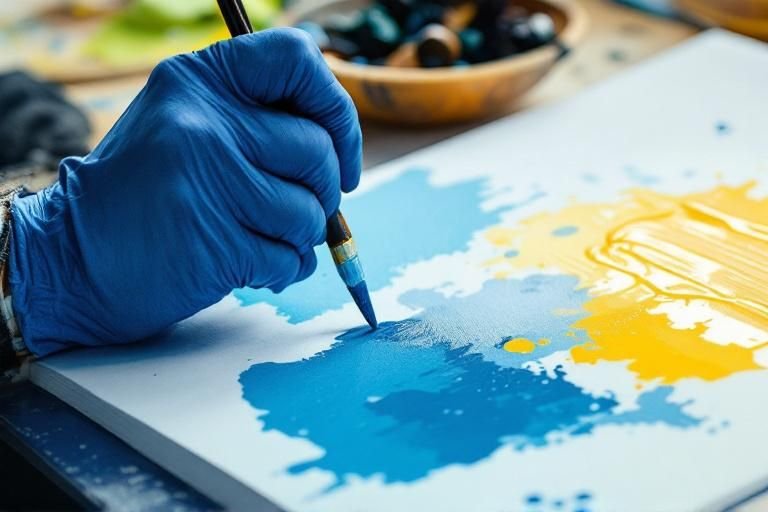
What is Gouache Paint vs Acrylic: Key Differences Explained
Are you confused about the differences between gouache paint and acrylic? You’re not alone. Many artists find it challenging to choose the right medium for their projects. Gouache and acrylic both offer unique characteristics that can significantly impact your artwork, but understanding these differences is crucial for making an informed decision. With over 15 years of experience in the art world, I will guide you through the defining features, benefits, and applications of each paint type. By the end of this article, you’ll have a clearer understanding of what gouache paint vs acrylic entails, empowering you to select the right medium for your next creative endeavor.
Understanding Gouache Paint
Gouache paint is a water-based medium known for its opaque qualities and vibrant colors. It combines pigment with a binding agent, often gum arabic, which gives it a unique texture and finish. Unlike watercolors, gouache paints reflect an intense color and can be easily reactivated with water even after drying. This makes gouache a versatile option for artists who want to achieve both delicate washes and bold, solid areas of color. Its matte finish is ideal for illustrations and mixed media projects, offering a distinct look that is favored by many illustrators and designers.
Composition and Properties
Gouache consists of pigment, water, and a binder, with the addition of white pigment to enhance opacity. This composition allows for a velvety texture and quick drying time, making it suitable for layering techniques. Artists appreciate its ability to be rewet and worked over after drying, offering flexibility in the creative process.
Applications in Art
Gouache is commonly used in illustration, graphic design, and fine art due to its vibrant color and matte finish. Artists can use it for poster design, concept art, and even fashion illustrations. Its ability to create vivid color contrasts makes it a popular choice for bold visual statements.
Key Points:
- Gouache is opaque and vibrant, ideal for detailed work.
- It can be reactivated with water, allowing for corrections.
Exploring Acrylic Paint
Acrylic paint is another water-based medium that has gained immense popularity among artists. Known for its versatility, acrylics can mimic the properties of both oil and watercolor paints, depending on how they are diluted or applied. They dry quickly to a flexible and durable finish, making them suitable for a wide range of surfaces, including canvas, wood, and paper. Acrylics can be used in thin washes for a transparent effect or in thick applications for impasto techniques, providing artists with countless possibilities for texture and layering.
Composition and Properties
Acrylic paint is made from pigment suspended in an acrylic polymer emulsion. Its fast-drying nature allows for quick layering, while the finish can range from matte to glossy depending on the medium added. This adaptability makes acrylics suitable for various artistic styles and applications.
Versatility in Usage
Acrylics are widely used in various art forms, including fine art, crafts, and even street art. They can be mixed with mediums to alter their texture and finish, and they adhere well to almost any surface. This versatility makes acrylics a favorite among artists looking to experiment with different techniques.
Key Points:
- Acrylics can mimic oil or watercolor finishes with versatility.
- They dry quickly, allowing for rapid layering and adjustments.
Understanding the Basics of Gouache Paint
Gouache paint is a water-based medium that features a high pigment concentration and a distinctive matte finish. Unlike watercolor, gouache is opaque, allowing for vibrant colors that can cover underlying layers. Artists often appreciate its versatility for both illustrative and fine art applications. It dries quickly, making it suitable for layering but requires careful handling to avoid reactivating the paint. Gouache can be diluted with water to achieve a more transparent effect, similar to watercolor, but its inherent opacity allows for rich, dense applications.
Composition and Characteristics
Gouache is made with pigment, water, and a binding agent, usually gum arabic or dextrin. This composition contributes to its smooth texture and the ability to create thick layers without losing vibrancy. The finish is matte, which can enhance the visual depth in artwork. Its quick drying time can be both an advantage and a challenge, as it may require rapid application techniques.
Uses and Applications
Gouache is favored by illustrators, graphic designers, and fine artists due to its versatility. It works well for detailed illustrations and can be used on a variety of surfaces, including paper and illustration board. Artists often use gouache for poster designs, concept art, and even fine paintings, as it allows for easy corrections and layering without muddying colors.
Key Points:
- Gouache is opaque and water-based, ideal for vibrant applications.
- It dries quickly but can be reactivated with water.
💡 Use a palette with a lid to keep gouache moist between sessions.
💡 Experiment with water dilution to explore transparency.
💡 Store gouache in a cool, dry place to prevent drying out.
Comparing Gouache with Acrylic Paint
Acrylic paint is another popular water-based medium, known for its versatility and quick drying time. Unlike gouache, acrylics are generally more glossy and can be used in various techniques, including thin washes or thick impasto applications. The key difference lies in their opacity and finish. Acrylics can be thinned down for transparency, but they maintain a glossy finish when dry. This characteristic can influence the final appearance of the artwork, making acrylics suitable for a wide range of styles, from realism to abstract.
Texture and Finish Differences
Gouache provides a matte finish, giving artworks a soft, velvety appearance, while acrylics can range from matte to glossy, depending on the medium used. This difference affects how light interacts with the surface, which can be significant in visual storytelling. Artists may choose gouache for its muted elegance or acrylics for their vibrant gloss.
Drying Times and Techniques
Both gouache and acrylics dry quickly, but acrylics can dry even faster, sometimes leading to a challenge in blending colors. Gouache allows for more extended blending times before setting. Artists often have to adapt their techniques based on these drying times, using slow-drying mediums with acrylics to extend working time.
Key Points:
- Acrylics can achieve a range of finishes, affecting visual impact.
- Drying times influence blending and layering techniques for both mediums.
💡 Layer acrylics for depth, but consider using a retarder to slow drying time.
💡 Use a spray bottle to keep acrylics moist on your palette.
💡 Test both mediums on the same surface to compare their interactions.
EXPERT TIPS Pro Advice
Test on various surfaces
Different surfaces can affect how both gouache and acrylics adhere and appear. Experimenting helps find the best match for your project.
Mix mediums cautiously
If combining gouache and acrylics, be mindful of the differences in drying times and finishes to ensure cohesive results.
Maintain a clean palette
A clean palette helps prevent contamination of colors, especially important when switching between gouache and acrylics.
Practice layering techniques
Both mediums benefit from layering, but approaches differ. Practice specific techniques to master each medium’s unique properties.
Always have water handy
Water is essential for both mediums; keep it accessible to adjust consistency and aid in cleaning brushes.
Frequently Asked Questions
Conclusion
Understanding the differences between gouache and acrylic paint is essential for artists to choose the right medium for their projects. Gouache offers a matte, opaque finish ideal for detailed work, while acrylic is versatile and quick-drying. Each medium has unique properties that cater to different artistic needs.
🎯 Key Takeaways:
- Gouache is opaque with a matte finish, ideal for illustrations.
- Acrylic is versatile, fast-drying, and can have a glossy finish.
- Gouache reactivates with water; acrylic becomes permanent.
- Use gouache for layering; acrylic for durability on various surfaces.
Expert Advice: Experiment with both mediums to discover your personal preferences and techniques. Each offers unique qualities that can enhance your artistic expression and creativity.
Explore local art classes or online tutorials to practice using gouache and acrylic paints effectively.