
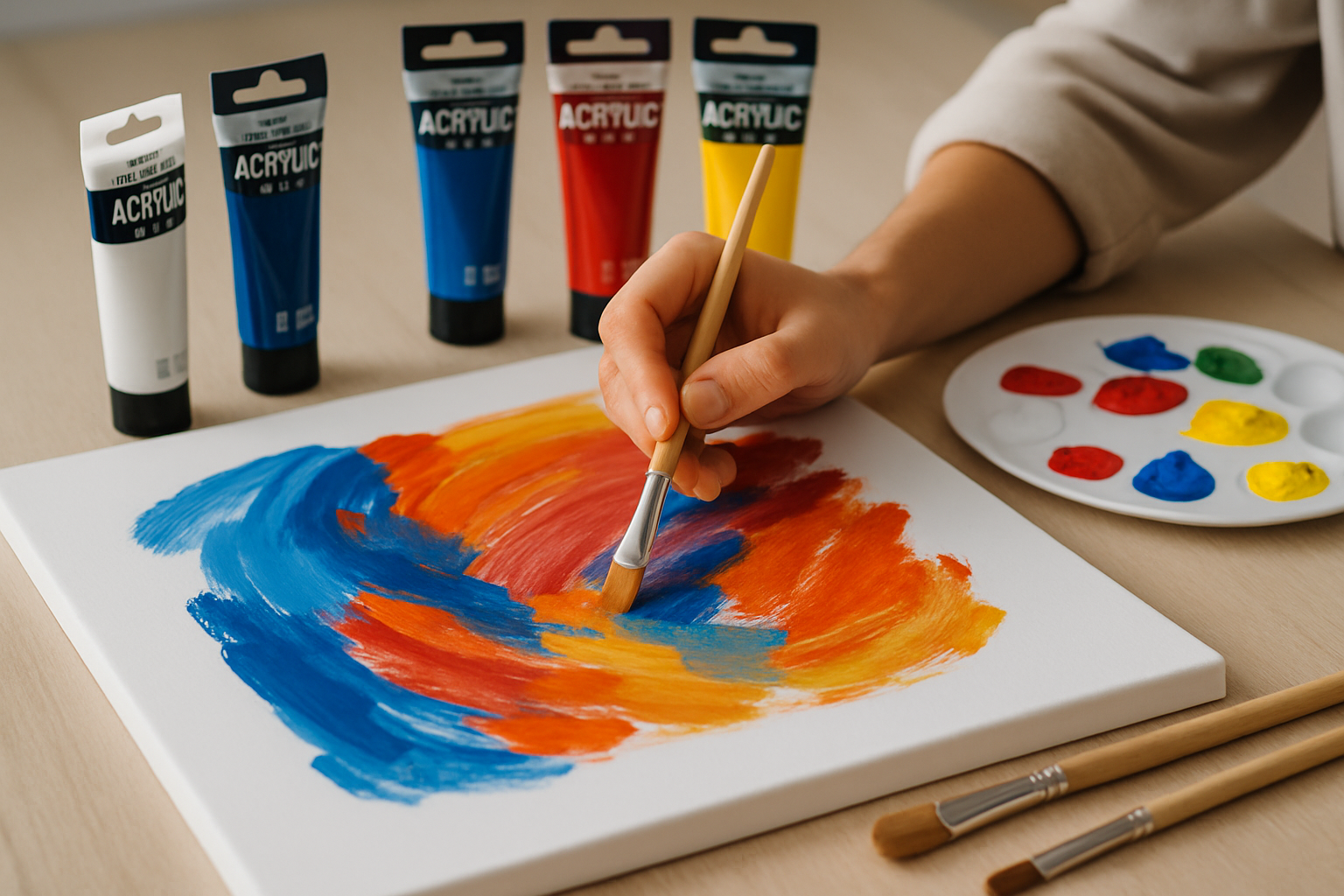
What is Acrylic Paint Used For? Discover Its Versatility
What is Acrylic Paint Used For? Unlock Its Creative Potential
Have you ever wondered what acrylic paint is used for and why it’s a favorite among artists and crafters alike? With its rapid drying time and versatility, acrylic paint has become a go-to medium for creating stunning artworks and DIY projects. Whether you’re a seasoned artist or a beginner just starting, understanding the myriad applications of acrylic paint can unlock your creative potential. In this article, we will explore the various uses of acrylic paint, its unique properties, and how it compares to other mediums. By the end, you will have a comprehensive understanding of what acrylic paint can do for your artistic endeavors.
Understanding Acrylic Paint
Acrylic paint is a versatile medium, favored by artists for its fast-drying properties and adaptability. Composed of pigment suspended in acrylic polymer emulsion, it can be used on various surfaces, including canvas, wood, and paper. Its water-soluble nature allows for easy clean-up, yet once dry, it becomes water-resistant. Artists appreciate the broad range of finishes, from matte to glossy, which can be achieved through various techniques. Additionally, acrylic paint can mimic the qualities of oil or watercolor paint, making it suitable for diverse styles and applications.
Composition of Acrylic Paint
Acrylic paint consists of pigments, acrylic polymers, and water. The pigments provide color and opacity, while acrylic polymers serve as the binder that holds the pigments together. Water acts as a solvent, enabling easy application and modification of the paint. Upon drying, the polymers form a flexible, durable film that is resistant to fading and damage, making it ideal for both indoor and outdoor artworks.
Properties of Acrylic Paint
One of the defining characteristics of acrylic paint is its quick drying time, usually within 15 to 30 minutes. This allows artists to layer colors without long waits, fostering creativity and experimentation. Additionally, acrylics can be thinned with water for a watercolor-like effect or used thickly for a textured appearance known as impasto. Their versatility also extends to mixed media applications, where acrylics can be combined with other materials for innovative outcomes.
Key Points:
- Acrylic paint is versatile and quick-drying.
- It can be used on various surfaces and mimics other paint types.
Common Applications of Acrylic Paint
Acrylic paint is widely used across various fields, including fine art, crafts, and commercial applications. Artists prefer it for its adaptability in different techniques, such as pouring, glazing, and layering. Beyond traditional canvas painting, it is also commonly used in mural art, where its durability and weather resistance are essential. Additionally, crafters use acrylics for decorating objects, creating mixed media pieces, and even in fabric painting, showcasing its broad appeal and functionality.
Fine Arts
In fine arts, acrylic paint is favored for its versatility and ease of use. Artists can create works ranging from realistic portraits to abstract compositions. The ability to layer paints and create textures allows for intricate detailing and depth. Furthermore, its quick drying time means artists can work efficiently, making it suitable for both studio and plein air painting.
Crafts and DIY Projects
Acrylic paint is also popular among crafters for projects like home décor, furniture refinishing, and holiday decorations. Its adhesion to various surfaces, including wood, metal, and ceramics, makes it a go-to choice for DIY enthusiasts. Additionally, it can be mixed with various mediums to achieve different effects, making it an ideal choice for personalized crafts and gifts.
Key Points:
- Acrylic paint is used in fine arts and crafts.
- Its durability makes it suitable for both indoor and outdoor applications.
Acrylic Paint in Fine Arts
Acrylic paint is a versatile medium widely used in fine arts due to its quick drying time and ability to mimic various painting styles. Artists appreciate its adaptability; it can be used in thick applications like oil paint or diluted for a watercolor effect. Additionally, acrylics can be layered to build texture and depth, providing artists with endless creative possibilities. The vibrant colors and ease of mixing also contribute to acrylics’ popularity, making them a preferred choice for both beginners and seasoned professionals.
Techniques for Fine Art
Artists employ various techniques with acrylics, including glazing, impasto, and pouring. Glazing involves applying thin, translucent layers to achieve luminosity, while impasto uses thick applications to create texture. Pouring acrylic techniques allow for abstract designs through fluid manipulation, enhancing the painter’s creativity.
Surface Compatibility
Acrylic paint can be applied to a variety of surfaces, including canvas, wood, paper, and even fabric. Each surface interacts differently with the paint, affecting the final outcome. Understanding the appropriate surface for specific techniques can significantly enhance the artwork’s quality.
Key Points:
- Acrylics are versatile for various techniques.
- Surface choice affects the final artwork.
💡 Experiment with different surfaces to discover unique textural effects.
💡 Layer colors to create depth and luminosity in your artwork.
Acrylic Paint in Crafting and DIY Projects
Acrylic paint is extensively used in crafting and DIY projects due to its fast drying time and ease of use. From home decor to personalized gifts, acrylics provide a durable finish that can withstand wear and tear. Their water-based nature allows for easy cleanup, making them ideal for both casual crafters and serious DIY enthusiasts. Additionally, acrylics can be mixed with mediums to modify their properties, enhancing their versatility in various applications.
Home Decor Projects
Acrylic paint can be used for numerous home decor projects, such as painting furniture or creating wall art. Its quick drying time allows crafters to layer colors efficiently, while its durability ensures that the finished product withstands everyday use. Sealing painted items with a clear coat can further enhance longevity.
Personalized Gifts and Crafts
Creating personalized gifts with acrylic paint can add a special touch to any occasion. Custom mugs, painted canvases, or decorated ceramics are popular choices. Utilizing stencils can elevate the design process, allowing for intricate patterns and lettering that make the gifts unique and memorable.
Key Points:
- Acrylics are ideal for quick and durable DIY projects.
- Personalization enhances the value of gifts and crafts.
💡 Always test a small area before full application to ensure desired color and effect.
💡 Use painter’s tape for clean lines in your projects.
EXPERT TIPS Pro Advice
Layer your acrylics strategically.
Layering allows you to build depth and complexity in your artwork, creating visual interest and enhancing the overall effect.
Mix mediums for unique textures.
Incorporating different mediums can modify the paint’s finish and texture, expanding your creative possibilities.
Work in a well-ventilated area.
Even though acrylics are water-based, proper ventilation ensures a comfortable working environment, especially during extensive projects.
Keep your brushes moist.
Acrylic paint dries quickly, so keeping brushes damp prevents them from hardening and ensures smoother applications.
Use a palette for mixing colors.
A palette allows for better control over color mixing, enabling you to achieve specific shades and prevent waste.
Frequently Asked Questions
Conclusion
Acrylic paint is a versatile medium widely used in art, home decor, and crafts. Its quick-drying properties and compatibility with various surfaces make it a favorite among artists. Understanding its applications allows for creative expressions, whether on canvas or fabric.
🎯 Key Takeaways:
- Acrylic paint is suitable for various artistic projects.
- It can enhance home decor through DIY projects.
- Using fabric medium allows acrylics on textiles.
- Proper cleaning extends the life of brushes.
Expert Advice: Experiment with acrylic paint to discover its unique properties and effects. Don’t hesitate to combine it with other mediums to enhance your artistic creations.
Explore your creativity with acrylic paint and try a new project today!