
What is Acrylic Paint Made of? Discover Its Components
What is Acrylic Paint Made of? Uncover Its Key Components
Have you ever wondered what is acrylic paint made of? Understanding the composition of acrylic paint can transform your approach to art, whether you’re a seasoned artist or a beginner. Acrylic paint has gained popularity due to its versatility and quick drying time, but many still overlook the crucial elements that give it its unique properties. In this article, we will delve into the main components of acrylic paint, including pigments, binders, and solvents, explaining how each contributes to its performance. By the end of this article, you will have a comprehensive understanding of acrylic paint’s makeup, empowering you to make informed choices for your artistic endeavors.
Understanding Acrylic Paint Components
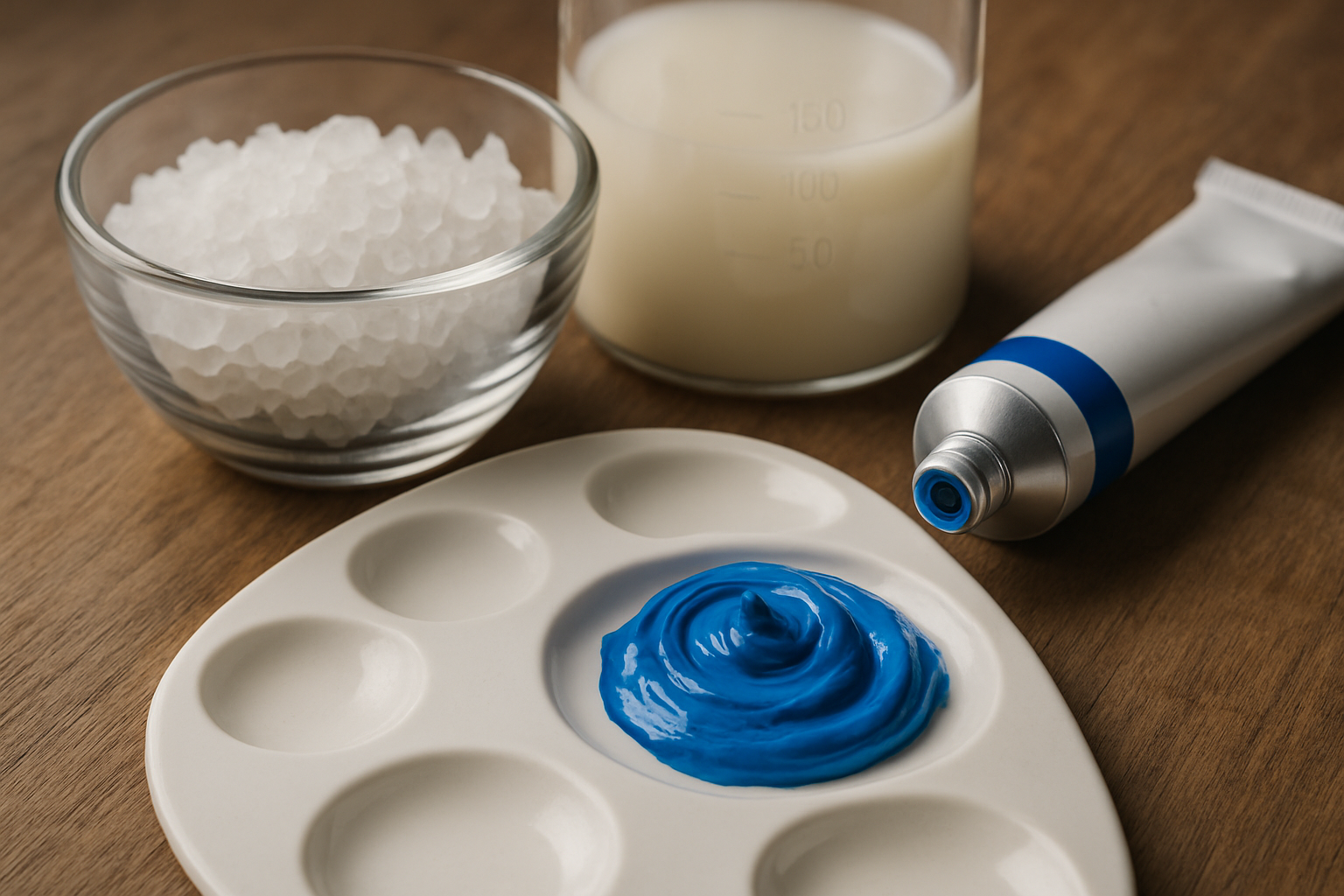
Acrylic paint is a versatile medium favored by artists for its quick drying time and vibrant colors. It is primarily composed of three key components: pigment, binder, and water. The pigment provides the color and opacity, while the binder holds the pigment particles together and adheres them to the painting surface. Water is used as a solvent to adjust the viscosity and flow of the paint. Each of these components plays a crucial role in the paint’s performance and characteristics, influencing everything from texture to finish.
The Role of Pigments
Pigments are finely ground particles that give acrylic paint its color and opacity. They can be organic or inorganic, each offering unique properties. Organic pigments provide bright, vibrant colors, while inorganic pigments tend to be more muted and opaque. The choice of pigments affects not only the hue but also the lightfastness and durability of the paint.
Binders in Acrylic Paint
The binder in acrylic paint is typically an acrylic polymer emulsion. It plays a vital role in film formation, ensuring that the paint adheres well to surfaces and maintains flexibility once dry. This flexibility helps prevent cracking and peeling, making acrylic suitable for various surfaces such as canvas, wood, and paper.
The Importance of Water
Water serves as the primary solvent in acrylic paint, allowing artists to dilute the paint for various techniques. It also affects the drying time; the more water used, the longer it takes to dry. Understanding how to manipulate water can help artists achieve desired effects, from thin washes to thick impasto applications.
Key Points:
- Acrylic paint consists of pigments, binders, and water.
- Pigment choice impacts color vibrancy and durability.
Types of Acrylic Paint and Their Uses
Acrylic paint comes in several types, each designed for specific artistic applications. The main types include heavy body, fluid, and interactive acrylics. Heavy body acrylics are thick and retain brush strokes, making them ideal for impasto techniques. Fluid acrylics are more liquid, allowing for smooth application and glazing effects. Interactive acrylics have a unique formulation that allows for extended working time, which is beneficial for blending and detailed work. Understanding these types can help artists choose the right acrylic for their projects.
Heavy Body Acrylics
Heavy body acrylics are thick and buttery, allowing for rich texture and dimensionality in artwork. They are perfect for techniques that involve layering and impasto, as they hold their shape well. Artists often use palette knives or stiff brushes to create pronounced strokes and textures.
Fluid Acrylics
Fluid acrylics are highly pigmented and have a thinner consistency, making them ideal for washes and glazing techniques. Artists can achieve smooth, even applications and detailed layering without the heaviness of traditional acrylics. They are also useful for pouring techniques and creating fluid art.
Interactive Acrylics
Interactive acrylics are unique because they allow for extended working time. They remain workable longer than standard acrylics, enabling artists to blend colors and create soft transitions. Once dry, they can be reactivated with water, providing versatility for corrections and adjustments.
Key Points:
- Different types of acrylic paint cater to various techniques.
- Heavy body acrylics are best for texture, while fluid acrylics suit washes.
Composition of Acrylic Paint
Acrylic paint is primarily made of three components: pigment, binder, and solvent. The pigments provide color and opacity, while the binder, usually an acrylic polymer emulsion, allows the paint to adhere to surfaces. The solvent, primarily water, helps in the application and drying process. This unique combination allows acrylic paints to be versatile, drying quickly and providing a durable finish suitable for various surfaces. Understanding these components can enhance your painting techniques and material choices.
Pigments
Pigments are finely ground materials that provide color and opacity to acrylic paint. They can be organic or inorganic, affecting the paint’s vibrancy and lightfastness. Organic pigments generally offer brighter hues, whereas inorganic pigments are more muted but often more durable. Selecting the right pigment can significantly influence the outcome and longevity of your artwork.
Binders and Emulsions
The binder in acrylic paint is crucial as it determines the paint’s adherence and finish. Acrylic polymer emulsions are the most common, providing flexibility and durability. The binder’s properties can also affect the paint’s texture and gloss level. Understanding the role of the binder helps artists choose the right acrylics for their desired effect.
Solvents and Thinners
The primary solvent in acrylic paint is water, which makes it easy to clean up and safe to use. However, some artists may use acrylic thinners to adjust the paint’s viscosity and drying time. Knowing how to manipulate these solvents can enhance your control over the painting process, allowing for various techniques such as glazing or wash effects.
Key Points:
- Acrylic paint consists of pigments, binders, and solvents.
- Understanding these components can improve your painting techniques.
💡 Choosing high-quality pigments ensures better color retention and vibrancy in your artwork.
💡 Experimenting with different binders can yield varied textures and finishes, enhancing your artistic expression.
The Science Behind Acrylic Paint
Acrylic paint’s unique drying characteristics and flexibility stem from its chemical composition. The acrylic polymers in the binder create a film as the water evaporates, resulting in a durable, water-resistant surface. This quick drying time allows for layering techniques, making acrylics popular among artists. Understanding the science behind these properties can help artists manipulate drying times and textures for desired effects.
Drying Process
The drying of acrylic paint is a physical process rather than a chemical one. As water evaporates, the acrylic polymer chains coalesce, forming a stable film. This rapid drying can be advantageous for layering but may require quick application techniques. Artists can utilize this property to create dynamic works that evolve quickly over time.
Flexibility and Durability
Acrylic paint remains flexible after drying, which helps it resist cracking and peeling, even when applied on flexible surfaces. This flexibility also allows for various painting techniques, such as impasto or fine detailing. Knowing how to work with this flexibility can expand your creative possibilities.
Color Mixing and Opacity
Acrylics can be mixed easily due to their water-based nature, allowing for a wide range of colors and effects. The opacity can be adjusted by adding more water or using mediums. Understanding how to manipulate opacity can help artists achieve transparency or more opaque layers in their work.
Key Points:
- Acrylic paint dries quickly, allowing for rapid layering techniques.
- Understanding the science behind its properties enhances artistic expression.
💡 Use a palette with a textured surface to prevent paint from drying too quickly.
💡 Layering wet-on-wet can create unique textures and effects, taking advantage of acrylic’s quick-drying nature.
EXPERT TIPS Pro Advice
Experiment with drying retarders.
Using drying retarders can extend the working time of acrylics, allowing for more blended effects and smoother transitions.
Practice color mixing with a color wheel.
Understanding color theory helps in creating harmonious palettes and improving overall composition in your artwork.
Use various surfaces to explore different textures.
Acrylics can be used on numerous surfaces; exploring this can inspire new techniques and styles in your artwork.
Incorporate mediums for diverse effects.
Adding mediums can change the consistency and finish of acrylic paint, allowing for a broader range of techniques and styles.
Keep brushes wet to avoid drying.
Keeping your brushes moist during painting prevents the acrylic from hardening and ensures smoother application.
Frequently Asked Questions
Conclusion
Acrylic paint is primarily composed of pigment and acrylic polymer emulsion, making it versatile and fast-drying. Its ability to adhere to various surfaces, combined with ease of use and safety, contributes to its popularity among artists. Thinning and sealing options further enhance its application.
🎯 Key Takeaways:
- Acrylic paint contains pigment and acrylic polymer emulsion.
- It dries faster than oil paint, allowing for quicker techniques.
- Acrylics can be used on many surfaces, increasing versatility.
- Thinning can be achieved with water or acrylic mediums.
- Sealing artwork protects it from damage and fading.
Expert Advice: Experiment with acrylic paint to discover its wide-ranging capabilities. Embrace its versatility by trying different surfaces and techniques to enhance your artistic expression.
Explore acrylic painting further by trying your hand at various projects and techniques to fully appreciate its unique properties.