
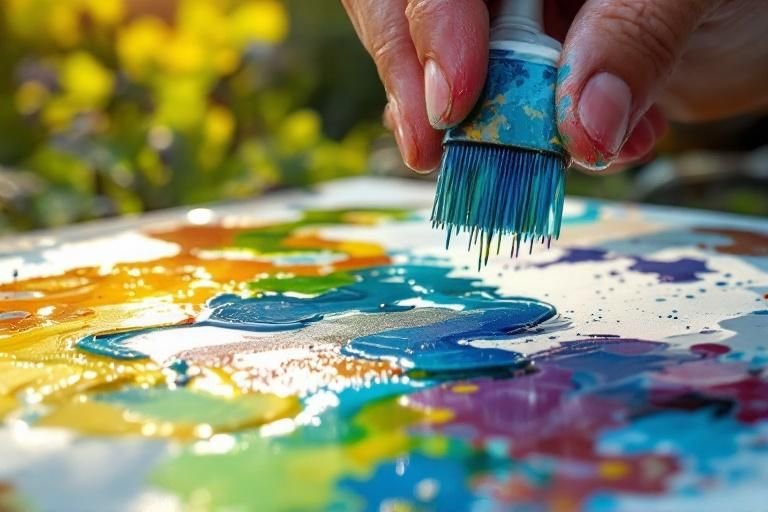
What Happens When Acrylic Paint Dries: Key Insights
What Happens When Acrylic Paint Dries: Understanding the Process
Have you ever wondered what happens when acrylic paint dries? This common question reflects a fundamental aspect of painting that can significantly impact your artistry. As a versatile medium, acrylic paint undergoes a fascinating transformation when exposed to air, leading to various changes in texture, color, and adhesion. In this article, we will explore the science behind the drying process, the effects on the final artwork, and essential tips for achieving the best results. With over 15 years of experience in the art and painting community, I’m here to provide you with expert insights that will enhance your understanding and application of acrylic paint.
The Drying Process of Acrylic Paint
When acrylic paint dries, it undergoes a physical and chemical transformation. Initially, the water content evaporates, allowing the paint to form a solid film. This process can take anywhere from minutes to hours, depending on environmental factors such as humidity and temperature. As the paint dries, the pigments and binders in the formula coalesce, creating a durable surface that is less prone to cracking and peeling. Understanding this process is crucial for artists, as it influences layering techniques and final finishes.
Evaporation of Water
The first stage of drying involves the evaporation of water from the paint. This is a crucial step because it reduces the paint’s viscosity, allowing it to spread and adhere better to surfaces. The rate of evaporation can be affected by factors like airflow and temperature, so artists should be mindful of their working environment.
Coalescence of Pigments
After water evaporation, the pigments begin to coalesce. This means that the individual pigment particles come together, forming a cohesive film. This process is vital for achieving the desired color vibrancy and texture. Artists should note that if the paint is applied too thickly, it may take longer to dry and could affect the final appearance.
Formation of a Solid Film
Once coalescence is complete, a solid film of acrylic paint is formed. This film is flexible and resistant to cracking, making acrylics popular among artists. Understanding the characteristics of this film can help artists choose the right techniques for layering and finishing their work, ensuring longevity and aesthetic appeal.
Key Points:
- Acrylic paint dries through evaporation and coalescence.
- The drying time can vary based on environmental conditions.
Factors Influencing Drying Time
Several factors can influence how quickly acrylic paint dries. Understanding these elements can help artists achieve desired results and plan their painting sessions effectively. Humidity, temperature, paint thickness, and the surface type all play significant roles in the drying process. By adjusting these variables, artists can create favorable conditions for their work.
Humidity Levels
High humidity levels can significantly slow down the drying process of acrylic paint. When there is more moisture in the air, the evaporation of water from the paint takes longer. Artists working in humid environments should consider using a dehumidifier or working in a well-ventilated area to expedite drying.
Temperature Influence
Temperature is another critical factor affecting drying time. Warmer temperatures accelerate evaporation, leading to quicker drying. Conversely, cooler temperatures can prolong the process. Artists should strive to maintain a consistent temperature in their workspace to ensure predictable drying times.
Paint Thickness and Surface Type
The thickness of the paint layer also determines drying time. Thicker layers will dry more slowly than thinner ones. Additionally, the type of surface can affect absorption rates; porous surfaces may draw moisture away more quickly than non-porous ones. Artists should consider these factors when planning their techniques.
Key Points:
- Humidity and temperature significantly influence drying times.
- Thicker paint layers take longer to dry than thinner applications.
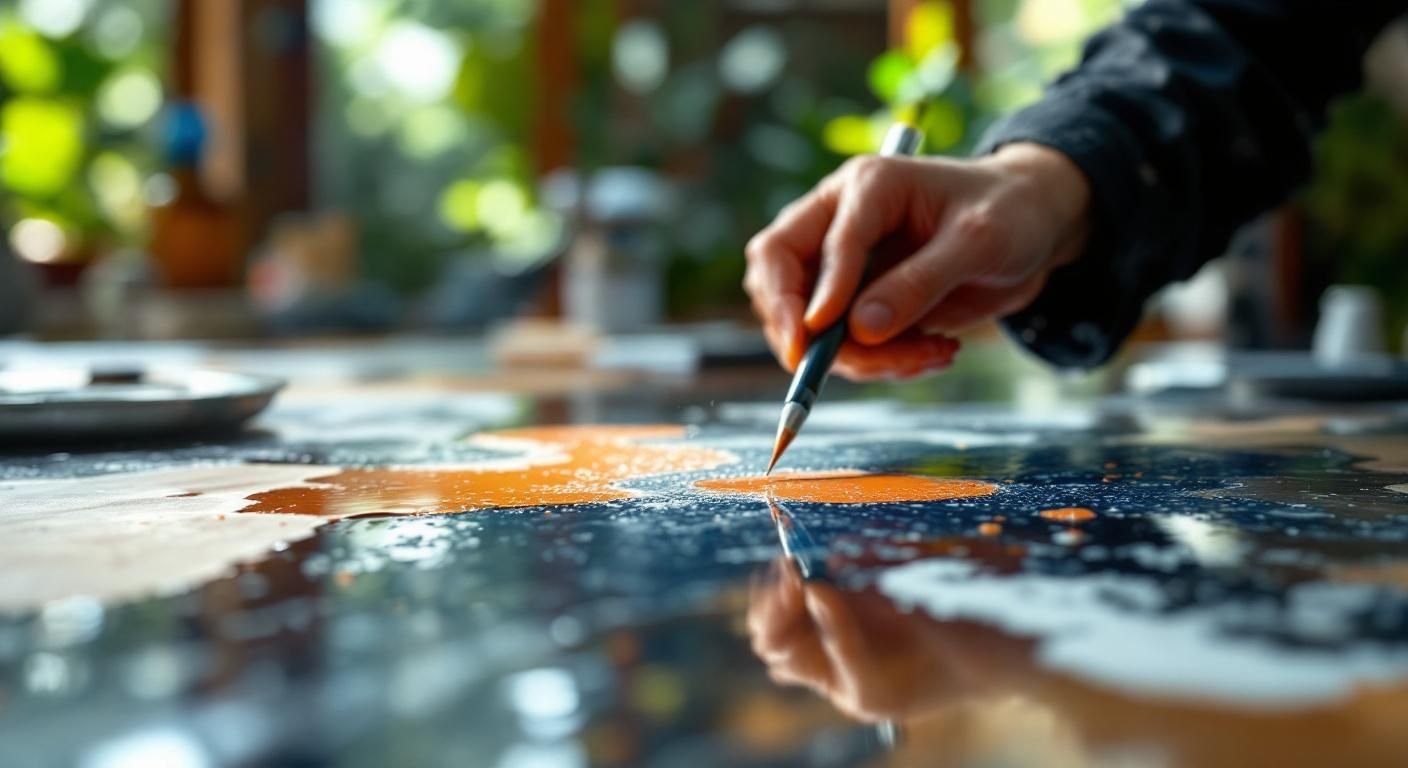
Understanding the Drying Process of Acrylic Paint
When acrylic paint dries, it undergoes a physical and chemical transformation. Initially, the water evaporates, causing the paint to lose its fluidity and begin to set. This process can take anywhere from a few minutes to several hours, depending on environmental conditions like humidity and temperature. As the water evaporates, the acrylic polymers coalesce, creating a flexible yet durable film. This film formation is crucial for the longevity and performance of the paint. While drying, the paint is still susceptible to damage, so handling it gently is advisable until it’s fully cured.
Evaporation vs. Coalescence
The drying of acrylic paint involves two key processes: evaporation and coalescence. Evaporation occurs first, where water content dissipates into the air. Following this, coalescence takes place as the individual pigment particles merge, leading to a solid film. Understanding this sequence is vital for artists to control drying times and achieve desired effects.
Factors Influencing Drying Times
Many factors can influence how quickly acrylic paint dries. Environmental conditions such as temperature, humidity, and airflow play significant roles. For instance, higher temperatures and lower humidity levels accelerate drying, while cooler, more humid environments slow it down. Additionally, the thickness of the paint layer affects drying time; thicker layers take longer to dry compared to thin applications.
Key Points:
- Acrylic paint dries through evaporation and coalescence.
- Environmental factors significantly impact drying times.
💡 Use a hairdryer on a low setting to speed up the drying process without damaging the paint.
💡 Experiment with different water ratios to control drying times and paint consistency.
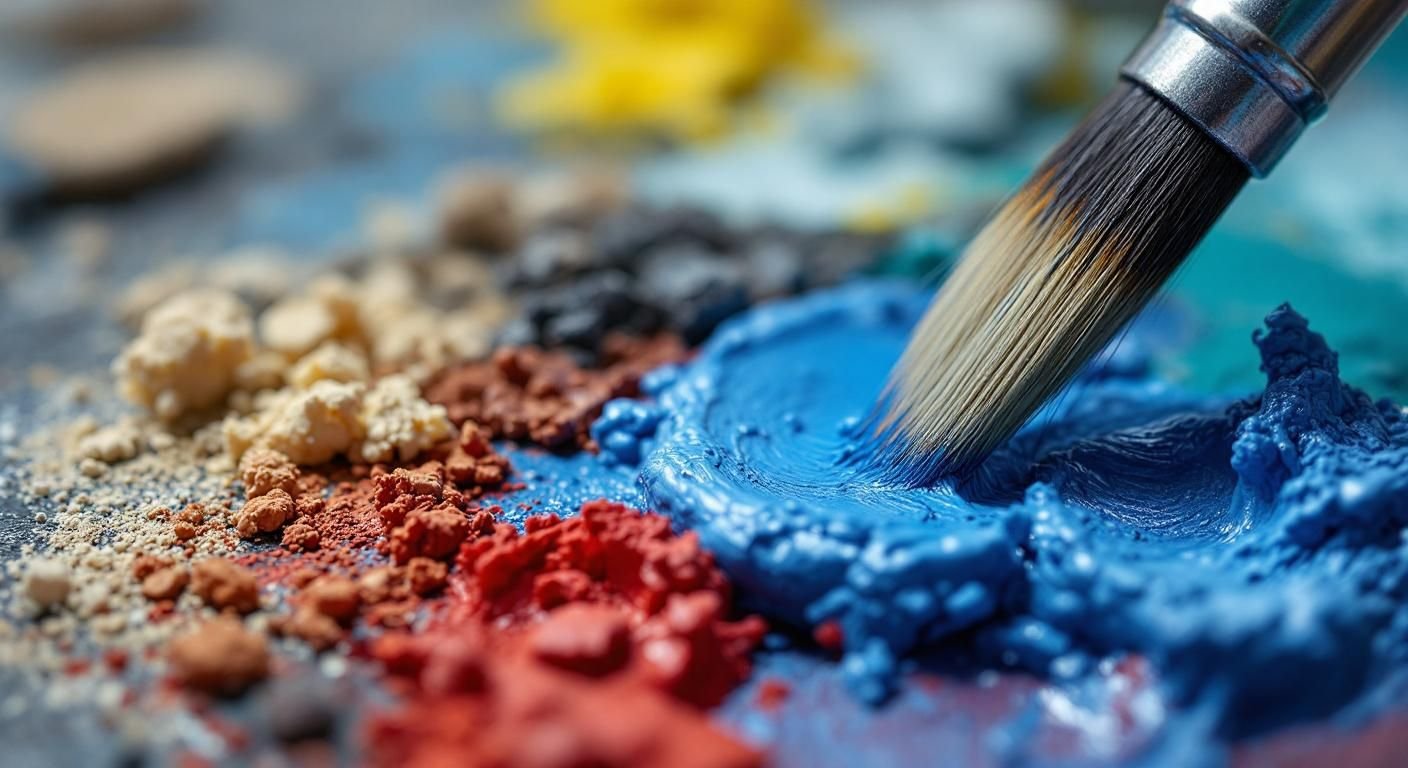
Implications of Dried Acrylic Paint
Once acrylic paint is dried, it exhibits several important characteristics that affect its use in art and crafts. Dried acrylic forms a water-resistant surface, allowing for layering and mixed media applications. However, it can also become brittle over time, especially if exposed to extreme conditions. Understanding these implications helps artists choose the right techniques for longevity and durability in their projects.
Water Resistance and Durability
Dried acrylic paint is notably water-resistant, which means it can withstand moisture without reactivating. This property is advantageous for artworks intended for outdoor display or humid environments. However, it’s essential to note that while water-resistant, acrylic is not entirely waterproof; prolonged exposure to water can still damage the artwork.
Brittleness and Aging
Acrylic paint can become brittle as it ages, particularly if exposed to fluctuating temperatures or UV light. This brittleness may lead to cracking or peeling over time. To mitigate this, artists can apply a protective varnish to their finished pieces, which can enhance longevity and maintain flexibility in the paint film.
Key Points:
- Dried acrylic paint is water-resistant but not waterproof.
- Aging can lead to brittleness; protective measures are essential.
💡 Store finished acrylic artworks in a cool, dry place to prevent brittleness over time.
💡 Consider using a varnish to protect the paint and enhance its longevity.
EXPERT TIPS Pro Advice
Monitor your environment
Keeping track of humidity and temperature can greatly influence drying times and paint performance, allowing for better control over your artwork.
Test drying times in advance
Before starting a significant project, test how your paint dries under specific conditions to better plan your painting sessions.
Layer wisely
When layering acrylics, allow each layer to dry thoroughly to avoid lifting and muddying colors, ensuring a clean finish.
Protect your artwork
Use a final varnish to safeguard the dried paint from environmental factors and enhance its visual appeal.
Frequently Asked Questions
Conclusion
Understanding what happens when acrylic paint dries enhances your artistic process. It dries quickly due to its water-based nature, forming a durable surface. Factors like humidity and thickness can affect drying time, and sealing your artwork can ensure its longevity.
🎯 Key Takeaways:
- Acrylic paint dries quickly due to water evaporation.
- Full curing may take several days depending on conditions.
- Dried acrylic paint cannot be rehydrated.
- Sealing your artwork improves durability.
- Different surfaces can be used effectively with acrylic paint.
Expert Advice: Experiment with acrylic paint’s drying properties to maximize your creative potential. Understand how factors like environment and thickness affect your projects, and consider protective finishing techniques to preserve your artwork.
Explore more about acrylic techniques and practice your skills to see how drying times can enhance your artwork.