
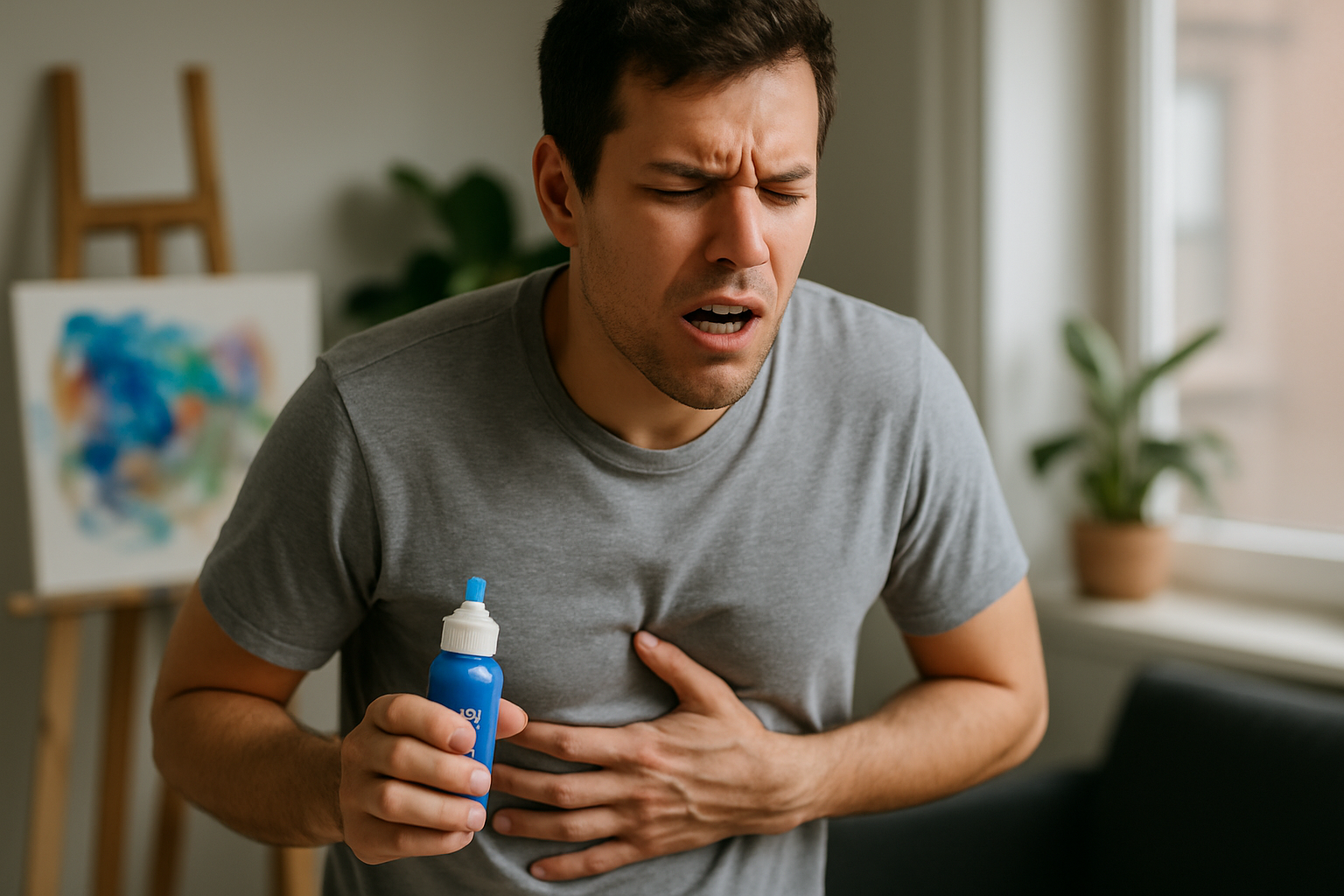
What Happens If You Eat Acrylic Paint? Essential Insights
Have you ever wondered what happens if you eat acrylic paint? This seemingly harmless art supply can pose serious health risks if ingested. Many people, especially children, might inadvertently consume non-food items without understanding the potential dangers. As an expert in health safety, I will guide you through the effects of acrylic paint ingestion, including common symptoms and necessary actions to take in case of an emergency. By the end of this article, you will have a clear understanding of the risks associated with acrylic paint and how to respond appropriately to ensure safety.
Understanding Acrylic Paint Composition
Acrylic paint is a popular medium used by artists, composed primarily of pigment suspended in a polymer emulsion. Its components include water, various additives, and binders that help the paint adhere to surfaces. While acrylic paints are generally considered safe for use when applied externally, ingesting them can pose serious health risks. This is due to the chemical nature and potential toxicity of the ingredients found in acrylic formulations. Awareness of what acrylic paint contains is crucial for understanding the risks associated with ingestion.
Chemical Ingredients in Acrylic Paint
Acrylic paints contain various chemicals, including pigments, acrylic polymers, and additives. Some pigments can be toxic if ingested, and certain additives may cause irritation or allergic reactions. Understanding these components can help gauge the potential risks of ingestion, highlighting the importance of keeping acrylics away from mouths, especially for children.
Potential Toxicity Levels
The toxicity of acrylic paint varies based on its formulation. While many commercial brands are non-toxic for external use, ingestion can lead to harmful effects. Symptoms may include gastrointestinal distress, nausea, and headaches. It’s essential to recognize that even non-toxic paints can still result in adverse reactions when ingested.
Key Points:
- Acrylic paint contains pigments and additives that can be harmful if ingested.
- Toxicity levels can vary, making it crucial to avoid consumption.
Health Risks and Symptoms of Ingesting Acrylic Paint
Ingesting acrylic paint can lead to a range of health issues, depending on the amount consumed and the individual’s health status. Common symptoms include nausea, vomiting, abdominal pain, and diarrhea. In severe cases, more serious health complications can arise, necessitating medical attention. Understanding these risks is vital for ensuring safety, particularly in environments where acrylic paint is used frequently, such as art studios or schools.
Immediate Reactions to Ingestion
When acrylic paint is ingested, the body may react immediately with symptoms like nausea or vomiting. These reactions are often the body’s way of expelling harmful substances. It’s critical to monitor symptoms closely, as prolonged distress may indicate the need for medical intervention, particularly if accompanied by severe abdominal pain.
Long-term Health Implications
While most cases of acrylic paint ingestion result in acute symptoms, there can be long-term health implications depending on the quantity and frequency of exposure. Chronic ingestion may lead to more serious conditions, including respiratory issues or allergic reactions. Consulting a healthcare professional is advisable for anyone who has ingested acrylic paint, even in small amounts.
Key Points:
- Ingesting acrylic paint can cause immediate and severe symptoms.
- Long-term effects may arise from repeated exposure or significant ingestion.
Understanding Acrylic Paint Composition
Acrylic paint is a popular medium for artists, composed primarily of pigments suspended in an acrylic polymer emulsion. While it is non-toxic in small amounts, ingestion can lead to adverse effects. The primary ingredients, including water, acrylic polymer, and pigments, vary in toxicity. Knowing these components helps assess the risk of ingestion and its potential health implications. Most acrylic paints are labeled as non-toxic by manufacturers, but this does not mean they are safe to consume. Ingesting larger quantities can lead to gastrointestinal distress and other health issues.
Non-Toxic vs. Toxic Components
Many acrylic paints are designed to be non-toxic, making them safer for use in art projects. However, certain pigments may contain heavy metals or other harmful substances. It’s crucial to read labels and understand that ‘non-toxic’ does not equate to ‘edible.’ If consumed, acrylic paint can irritate the digestive system, leading to nausea, vomiting, or diarrhea.
Symptoms of Ingestion
If acrylic paint is ingested, symptoms can vary based on the amount consumed and the individual’s sensitivity. Common symptoms include stomach pain, nausea, vomiting, and diarrhea. In severe cases, exposure to toxic components within the paint can lead to more serious health issues, necessitating medical attention.
Key Points:
- Acrylic paint is primarily non-toxic but can cause gastrointestinal issues if ingested.
- Always read labels and understand the potential risks of the pigments used.
💡 Always keep art supplies out of reach of children to prevent accidental ingestion.
💡 Educate yourself on the ingredients in your materials, especially if you have allergies or sensitivities.
Immediate Actions and Long-Term Effects
If someone ingests acrylic paint, knowing the immediate steps to take is crucial. The first response should be to assess the amount ingested and seek medical advice if necessary. It’s essential to avoid inducing vomiting unless specifically instructed by a healthcare professional. Long-term effects are generally rare but can include persistent gastrointestinal discomfort or allergic reactions in sensitive individuals. Consulting a healthcare provider can provide guidance on any lasting consequences.
First Aid Measures
Immediately after ingestion, the affected individual should rinse their mouth with water and avoid drinking large amounts of water or milk unless advised by a medical professional. In cases of significant ingestion, contacting poison control or seeking emergency medical assistance is recommended. Quick action can help mitigate potential health risks associated with acrylic paint ingestion.
Potential Long-Term Health Risks
While most individuals recover without issues after ingesting acrylic paint, some may experience lingering symptoms. Long-term exposure to toxic pigments can lead to chronic health problems, particularly if ingested repeatedly or in large quantities. It’s important to monitor for symptoms and consult a medical professional if any unusual effects persist.
Key Points:
- Immediate medical consultation is vital following ingestion to prevent complications.
- Monitoring for long-term effects is important, especially for sensitive individuals.
💡 Stay calm and assess the situation before taking action; panic can complicate the response.
💡 Keep emergency contact information readily available for quick access in case of ingestion incidents.
EXPERT TIPS Pro Advice
Know the signs of ingestion.
Recognizing symptoms early can lead to quicker medical intervention, reducing the risk of serious health issues.
Educate children about art safety.
Teaching children the importance of not eating non-food items can prevent accidental ingestion and promote safer art practices.
Use non-toxic, edible art materials for children.
Choosing safe materials ensures that even if ingestion occurs, the effects will be minimal, protecting children’s health.
Consult a professional for art-related health concerns.
If you frequently use art materials, understanding their effects on health can help you make informed choices and mitigate risks.
Frequently Asked Questions
Conclusion
Ingesting acrylic paint can lead to serious health risks, including gastrointestinal issues and potential toxicity. Immediate medical attention is crucial for anyone who consumes it. Prevention through proper storage and education is key to avoiding such accidents.
🎯 Key Takeaways:
- Acrylic paint ingestion can cause nausea and vomiting.
- It contains harmful chemicals that are toxic if consumed.
- Seek medical help immediately if ingestion occurs.
- Store acrylic paint safely to prevent accidental ingestion.
- Non-toxic alternatives are available for safe use.
Expert Advice: Always prioritize safety when using art materials. Educate yourself and others on the risks associated with non-food substances to ensure a safe and healthy environment.
Stay informed about the materials you use and consult resources for safe practices in art and craft activities.