
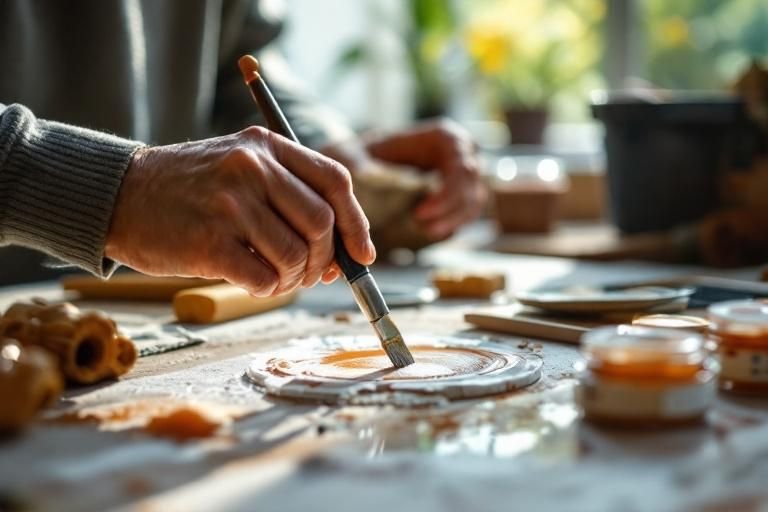
What to Mix with Acrylic Paint to Make it Smoother
Are you struggling with the texture of your acrylic paint? Achieving a smooth finish can be a challenge for many artists, but understanding what to mix with acrylic paint to make it smoother can transform your work. From the right mediums to additives, the options are vast and can significantly enhance your painting experience. With over 15 years of experience in the art and painting community, I will guide you through effective techniques to improve the flow and texture of your acrylics. In this article, you will learn various mixing methods, common mistakes to avoid, and tips for achieving a professional-looking finish. Get ready to elevate your artwork to the next level!
Understanding Acrylic Paint Consistency
Acrylic paint can vary in texture and consistency, directly affecting the quality of your artwork. To achieve a smoother finish, it’s essential to understand the components that influence the paint’s fluidity. Acrylics are water-based, which means they can be thinned or modified to enhance their application and blending characteristics. Knowing how to manipulate these properties will help you achieve the desired results in your painting projects.
Factors Affecting Acrylic Paint Consistency
Several factors influence the consistency of acrylic paint. The paint’s viscosity, the medium used, and the ambient temperature all play crucial roles. Thicker acrylics can create texture but may require thinning for smoother application. Understanding these factors allows artists to control the paint’s flow, improving blending and layering techniques.
Importance of Smoothness in Acrylic Painting
Smoothness in acrylic painting is vital for achieving a polished look. A smooth application allows for better color blending and a more professional finish. Techniques such as glazing and layering can be significantly enhanced by using smoother paint, resulting in a more dynamic and visually appealing artwork.
Key Points:
- Understanding factors affecting paint consistency helps achieve desired results.
- Smooth application enhances blending and overall artwork quality.
💡 Always test paint consistency on a scrap canvas before applying it to your main work.
Mixing Agents for Smoother Acrylic Paint
To make acrylic paint smoother, various mixing agents can be utilized. These agents alter the paint’s texture, allowing for a more fluid application. Common mixing agents include water, acrylic mediums, and additives specifically designed for improving flow. Knowing how to use these agents effectively can transform your painting experience and outcomes.
Using Water Wisely
Water is the most accessible and effective way to thin acrylic paint. However, it’s essential to use it sparingly, as too much can dilute the pigment and weaken the paint’s binding properties. A good rule of thumb is to mix one part water with two parts paint for optimal fluidity without sacrificing color integrity.
Incorporating Acrylic Mediums
Acrylic mediums are specially formulated products that can enhance the properties of acrylic paint. They come in various types, such as flow improvers and gloss mediums, which can facilitate smoother application and increase the paint’s shine. Using these mediums can help maintain color vibrancy while achieving the desired texture.
Key Points:
- Water is effective but should be used in moderation to maintain paint integrity.
- Acrylic mediums enhance paint properties, allowing for smoother application.
💡 Experiment with different ratios of water and paint to find your ideal consistency.
Understanding Acrylic Paint Consistency
Acrylic paint can often feel thick or gritty, impacting the smoothness of your application. To achieve a smoother finish, understanding the components that affect consistency is crucial. Water is the most common mixer, but using it excessively can dilute pigment and reduce color vibrancy. Instead, controlled amounts can help achieve a smoother texture without compromising the paint’s quality. Other additives can enhance flow and smoothness, providing various effects depending on the desired finish.
Water: The Basic Mixer
Water is the simplest and most accessible option to thin acrylic paint. Start by adding small amounts to your paint and mix thoroughly until you achieve the desired consistency. Keep in mind that too much water can weaken the color, so aiming for a 30% water-to-paint ratio is generally effective for maintaining vibrancy while enhancing fluidity.
Acrylic Mediums for Improved Flow
Acrylic mediums, such as flow improvers or glazing mediums, are designed to enhance the paint’s smoothness without diluting color. These mediums maintain the integrity of the paint while increasing its fluidity, allowing for more controlled application. When using these, follow manufacturer recommendations for mixing ratios to optimize results.
Key Points:
- Water should be used cautiously to preserve color vibrancy.
- Acrylic mediums provide better control over paint consistency.
💡 Start with small amounts of water or medium to prevent over-thinning your paint.
💡 Test your mixture on a separate surface before applying to your main project.
Advanced Techniques for Smoother Application
Beyond basic mixing, there are advanced techniques to achieve a smoother finish with acrylic paint. Techniques such as wet-on-wet blending or layering can eliminate brush strokes and create a seamless appearance. Additionally, using a palette knife instead of a brush can help achieve a smoother application, as it allows for more control over the texture and thickness of the paint applied.
Wet-on-Wet Technique
In the wet-on-wet technique, fresh layers of paint are applied on top of wet paint. This method allows colors to blend smoothly and creates a more uniform surface. To utilize this technique effectively, work quickly to ensure the base layer remains wet while applying the subsequent colors.
Layering for Depth and Smoothness
Layering involves applying multiple thin coats of paint, allowing each layer to dry before adding the next. This technique can prevent brush marks and create a glossy, smooth finish. It’s important to use a soft brush and apply gentle pressure to avoid disturbing previous layers.
Key Points:
- Wet-on-wet blending allows for seamless color transitions.
- Layering enhances depth while avoiding brush strokes.
💡 Experiment with different brushes to find the one that gives you the smoothest finish.
💡 Always allow layers to dry completely before adding new ones to prevent peeling.
EXPERT TIPS Pro Advice
Use a stay-wet palette.
A stay-wet palette can keep acrylic paint moist longer, allowing for smoother application over extended periods.
Mix thoroughly.
Ensure that any additives or mixers are thoroughly blended into the paint to avoid uneven texture and application.
Practice on scrap material.
Before applying to your main canvas, practice on scrap material to refine your technique and ensure desired smoothness.
Adjust your brush technique.
Using light, even strokes can help maintain a smoother finish and prevent harsh lines or streaks.
Frequently Asked Questions
Conclusion
Achieving a smoother finish with acrylic paint involves careful mixing techniques and additives. Water, flow improvers, and mediums can enhance consistency, while tools like palette knives aid in blending. Maintaining the right ratios ensures color integrity and performance.
🎯 Key Takeaways:
- Mix water or mediums to achieve smoother acrylic paint.
- Use no more than 30% water for optimal results.
- Flow improvers enhance fluidity without altering color.
- Palette knives provide better mixing than brushes.
- Maintain a 1:3 ratio of water to paint for smoothness.
Expert Advice: Experiment with different mixing techniques to find the right balance for your style and project. Practice will help you achieve the desired smoothness and consistency in your acrylic paintings.
Try mixing your acrylic paints today and explore the different effects you can create!