
How to Get Acrylic Paint Out of Jeans: Easy Steps
Accidentally getting acrylic paint on your favorite jeans can be frustrating. Did you know that the quicker you act, the better your chances of removing the stain? As an expert in fabric care and stain removal, I understand the urgency of saving your beloved denim. In this article, you will learn effective techniques on how to get acrylic paint out of jeans using common household items. Whether the paint is wet or dried, our step-by-step guide will help you restore your jeans to their former glory. Get ready to tackle those stubborn stains with confidence!
Understanding Acrylic Paint Stains
Acrylic paint is a versatile medium used by artists and hobbyists alike, but its vibrant colors can pose a challenge when spilled on fabric such as jeans. The key to successfully removing acrylic paint lies in understanding the nature of the paint itself. Unlike water-based paints, acrylics contain polymers that create a durable bond with fibers. This makes immediate action crucial for effective removal. Timing, along with the right methods, can significantly increase the chances of restoring your jeans to their original state.
Characteristics of Acrylic Paint
Acrylic paint is water-soluble when wet, but it becomes water-resistant once dry. This transformation can make removal tricky. Knowing whether the paint is still wet or has dried can dictate your approach. If the stain is fresh, it offers a better chance for easy removal than a set-in stain.
Common Scenarios for Stains
Acrylic paint can land on jeans in various situations, from crafting to accidental spills. Understanding how the paint was applied can help tailor your cleaning strategy. For instance, paint splatters differ from larger spills, requiring different techniques for effective removal.
Key Points:
- Acrylic paint bonds strongly with fabric, making timely action essential.
- Wet paint is easier to remove than dried paint.
Initial Steps for Stain Removal
Upon discovering an acrylic paint stain, immediate action is vital. The first step is to assess the situation: is the paint wet or dry? This will determine the appropriate removal technique. For wet stains, gently blotting with a clean cloth can prevent further spreading. In contrast, dried stains require a different approach, often involving scraping off excess paint before applying any solvents. Being methodical in these initial steps can set the stage for successful stain removal.
Blotting Wet Paint
If the paint is still wet, use a clean cloth or paper towel to gently blot the area. Avoid rubbing, as this can push the paint deeper into the fibers. Blotting helps lift the paint from the surface without damaging the fabric, making it easier to treat the stain.
Dealing with Dried Paint
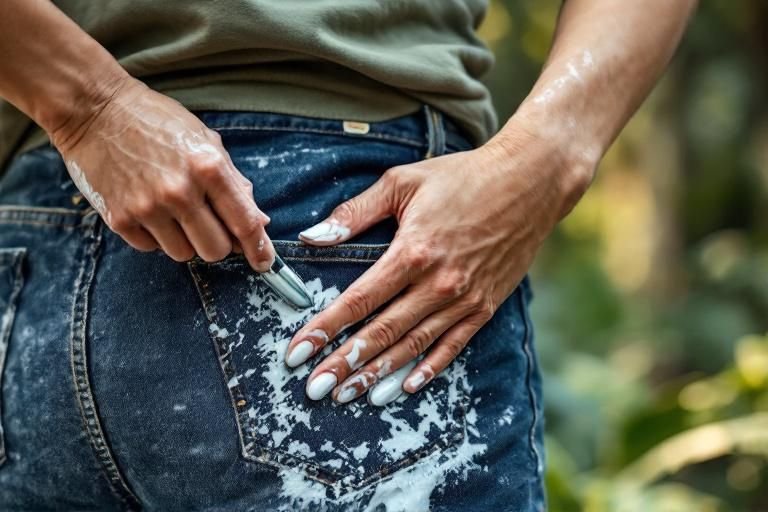
For dried acrylic paint, gently scrape the surface with a blunt knife or a credit card to remove any excess. Be careful not to damage the fabric. After scraping, you can treat the remaining stain with a suitable solvent or cleaning solution, ensuring to test it on a hidden area first.
Key Points:
- Blot wet paint to lift it without spreading.
- Scrape dried paint carefully to avoid damaging the jeans.
Understanding Acrylic Paint and Its Properties
Acrylic paint is a versatile medium known for its quick drying time and strong adhesive properties. These characteristics make it challenging to remove from fabrics, particularly denim. Understanding how acrylic paint interacts with fibers can help you choose the most effective removal techniques. The key to successful removal is to act quickly before the paint fully sets, as dried paint bonds more firmly with the fabric. Additionally, knowing the types of acrylic paint can also influence your approach since some may contain additives that affect their removal.
Types of Acrylic Paint
Acrylic paint can be water-based or heavy-bodied. Water-based acrylics are easier to remove due to their lower viscosity and water solubility. In contrast, heavy-bodied acrylics have a thicker consistency and may require more intensive techniques for removal. Knowing which type you’ve encountered can significantly impact your removal strategy.
How Fabric Composition Affects Removal
Denim is typically made from cotton, which absorbs paint differently than synthetic fibers. The tighter weave and natural fibers of denim can trap paint particles. Understanding this can help you select appropriate methods and avoid damaging the fabric while trying to lift the paint.
Key Points:
- Acrylic paint bonds strongly to fabric, making immediate action crucial.
- Different types of acrylic paint require different removal techniques.
💡 Act quickly to treat fresh stains; dried paint is much harder to remove.
💡 Test any removal method on a small, inconspicuous area first to avoid damage.
Step-by-Step Techniques for Removal
When it comes to removing acrylic paint from jeans, employing the right techniques can make all the difference. Start by using a blunt tool to gently scrape off excess paint, taking care not to damage the fabric. Next, you can use a combination of solvents and water to lift the remaining paint. It’s crucial to follow a systematic approach to effectively treat the stain without spreading it further. After removal, always launder the jeans according to care instructions to ensure any residual paint is completely washed out.
Scraping Off Excess Paint
Begin by using a dull knife or a credit card to gently scrape off any excess wet paint. Be careful to avoid pushing the paint deeper into the fibers. This step is critical to prevent the stain from setting and making removal more difficult.
Applying Solvents and Washing
After scraping, apply a solvent such as rubbing alcohol or vinegar to the stained area using a cloth. Blot the stain gently, working from the outside inward. Rinse with cold water, then wash your jeans in the machine as per the care label to remove any remaining paint.
Key Points:
- Scraping excess paint is essential to reduce stain size.
- Using the right solvents effectively can lift paint without damaging fabric.
💡 Always blot rather than rub to prevent the paint from spreading.
💡 Use cold water for rinsing, as hot water can set the stain further.
EXPERT TIPS Pro Advice
Use a natural bristle brush for stubborn stains.
This helps to agitate the paint particles without damaging the denim. It’s effective for deeper penetration into the fibers.
Consider using a mixture of vinegar and baking soda.
This combination can create a gentle abrasive effect, helping to lift the paint while also deodorizing the fabric.
Always check care labels before washing.
Following care instructions ensures that you don’t inadvertently damage your jeans while attempting to remove the stain.
Keep a stain removal kit handy for creative projects.
Preparation can save time and frustration when accidents happen during art or craft activities.
Frequently Asked Questions
Conclusion
Removing acrylic paint from jeans requires quick action and the right techniques. Start by scraping off excess paint, then use rubbing alcohol or vinegar for effective stain removal. Always wash in cold water to prevent setting the stain. With care, your jeans can look good as new.
🎯 Key Takeaways:
- Act quickly to remove acrylic paint stains.
- Always use cold water to rinse and wash stained jeans.
- Test cleaning solutions for colorfastness before applying.
- Vinegar and baking soda are effective home remedies.
Expert Advice: Always approach stain removal with patience and multiple attempts if needed. Each fabric is different, so adjusting methods may be necessary for best results.
Try these techniques on your stained jeans and share your results or experiences with others looking to tackle similar challenges.