
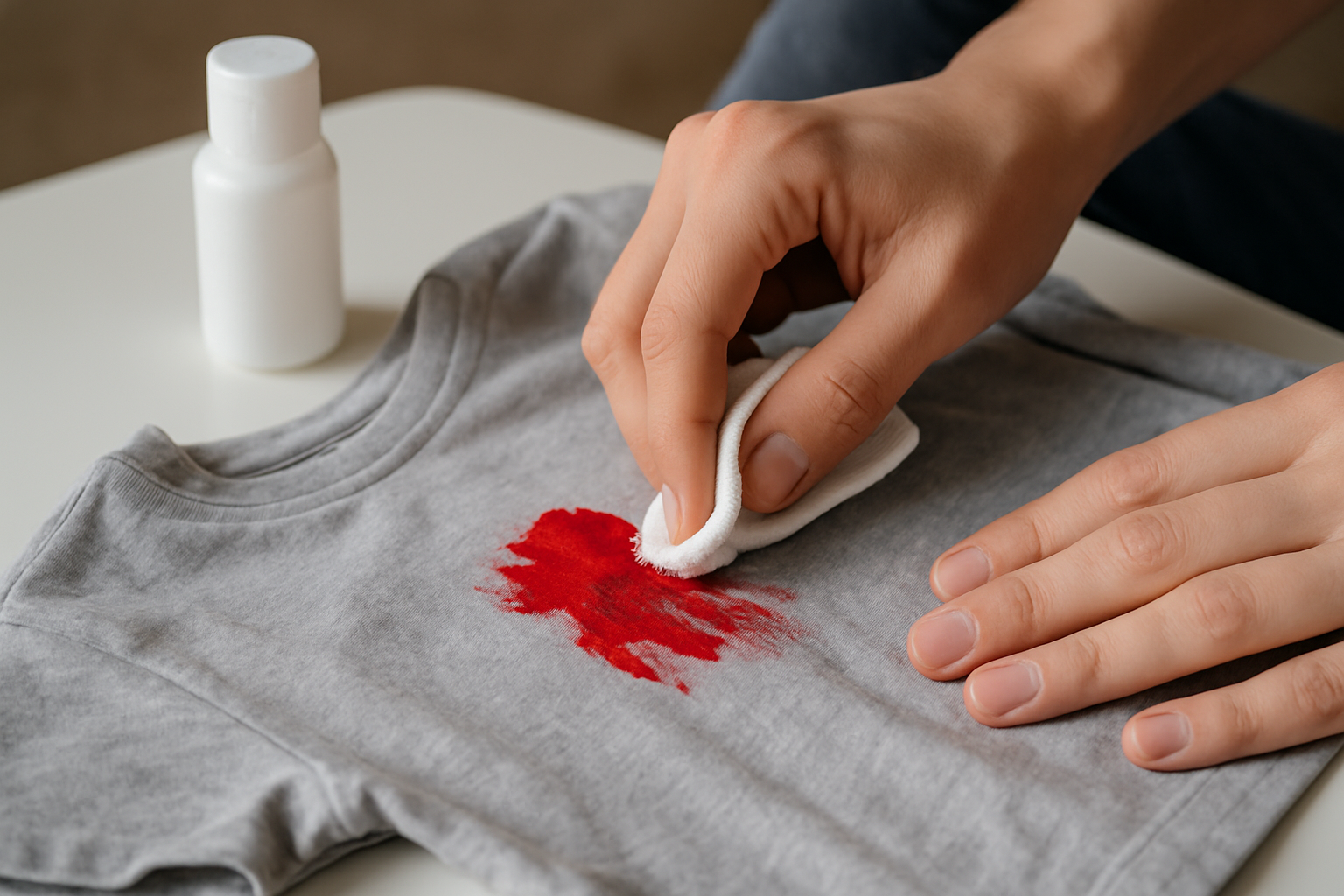
How to Get Acrylic Paint Out of Clothes: Expert Tips
Accidentally getting acrylic paint on your clothes can be a frustrating experience, especially if you’re unsure how to tackle the stain. Did you know that the sooner you act, the better your chances of successfully removing the paint? As an expert in fabric care and stain removal, I’m here to guide you through tried-and-true methods to help you reclaim your favorite garments. In this article, you will learn step-by-step techniques for removing acrylic paint from clothing, including essential tips for different fabric types and common mistakes to avoid. Let’s dive into the best strategies to keep your wardrobe looking pristine.
Understanding Acrylic Paint and Its Properties
Acrylic paint is a versatile medium often favored for its quick-drying properties and vibrant colors. However, these same characteristics can make it challenging to remove from fabrics. Acrylic paint consists of pigments suspended in a polymer emulsion, which can bond tightly to fibers. Understanding these properties is crucial in effectively removing paint stains. The faster you act, the better your chances of complete removal, as dried paint becomes increasingly difficult to eliminate. Knowing the type of fabric affected also plays a vital role in determining the best cleaning method.
Why Acrylic Paint Stains are Difficult to Remove
Acrylic paint is water-soluble when wet, but it becomes water-resistant once it dries. This transformation makes it particularly stubborn when set into fabric fibers. Additionally, the polymer base can create a strong bond with various materials, making it essential to act quickly and utilize the right techniques for best results.
Fabric Types and Their Reaction to Acrylic Paint
Different fabrics react uniquely to acrylic paint. Natural fibers like cotton may absorb the paint, while synthetic fibers can repel it. Identifying the fabric type will help tailor your cleaning approach. For example, delicate fabrics like silk require gentler methods, while sturdier fabrics such as denim can withstand harsher treatments.
Key Points:
- Acrylic paint becomes water-resistant when dried
- Fabric type influences cleaning methods
Initial Steps to Take After a Paint Spill
Immediate action is crucial when dealing with an acrylic paint spill on clothing. The first step is to avoid rubbing the stain, as this can push the paint further into the fibers. Instead, gently scrape off any excess paint with a dull knife or spoon. Next, blot the stain with a damp cloth to lift as much of the paint as possible. It’s essential to work from the outside of the stain towards the center to prevent spreading. Understanding these initial steps can significantly increase your chances of successful stain removal.
Assessing the Stain Immediately
When a paint spill occurs, quickly assess the situation. Determine how much paint has spilled and the fabric type. The quicker you act, the better your chances of removal. If the paint is still wet, the chances of complete removal are much higher, so prioritize your response.
Blotting vs. Rubbing: The Right Technique
Blotting is the preferred method for treating paint stains. Use a clean cloth or paper towel to dab the area gently. Rubbing can damage the fabric and push the paint deeper into its fibers. Always approach the stain with a light touch to avoid further complications.
Key Points:
- Act quickly to improve removal chances
- Blot the stain instead of rubbing it
Immediate Actions for Stain Removal
When dealing with acrylic paint stains, timing is critical. The sooner you act, the better your chances of completely removing the stain. Start by gently scraping off any excess paint using a dull knife or a spoon. Avoid rubbing the paint, as this can push it deeper into the fabric. Next, run the stained area under cold water, allowing it to flow through the fabric to help lift the paint. After rinsing, apply a solution of dish soap and water to the stain, using a soft brush or cloth to work it into the fabric. This initial treatment can significantly reduce the visibility of the stain if done promptly.
Scraping and Rinsing
Begin by scraping off any excess acrylic paint with a dull blade or knife. Be careful not to damage the fabric underneath. Follow this by rinsing the stained area under cold running water. This process helps to dilute and loosen the paint particles before further treatment.
Applying Soap Solution
Create a mixture of mild dish soap and cold water. Apply this solution directly to the stain and gently work it into the fabric using a soft brush or cloth. This helps to break down the acrylic paint, making it easier to remove during washing.
Key Points:
- Immediate action is crucial for effective stain removal.
- Rinsing under cold water can significantly aid in lifting the paint.
💡 Always act quickly; fresh stains are much easier to remove than dried ones.
💡 Test any cleaning solution on a hidden area of the fabric first to ensure it doesn’t cause damage.
Advanced Techniques for Stubborn Stains
For acrylic paint stains that have dried or are particularly stubborn, advanced techniques may be necessary. One effective method is to use rubbing alcohol or hand sanitizer, which can break down acrylic paint’s chemical bonds. Apply a small amount to a cotton ball and dab it on the stain, allowing it to sit for a few minutes before blotting with a clean cloth. Another option is using an acetone-based nail polish remover; however, this should be done cautiously, as it can damage certain fabrics. Always perform a patch test first to check for any adverse reactions.
Using Rubbing Alcohol
Dab a small amount of rubbing alcohol onto a cotton ball and apply it to the stained area. Allow it to sit for several minutes to break down the paint. Blot with a clean cloth to lift the paint, repeating as necessary until the stain fades.
Patch Testing with Acetone
If the stain persists, consider using acetone. However, it is crucial to perform a patch test on a hidden area of the fabric first to ensure it won’t cause discoloration or damage. If safe, apply a small amount to the stain and follow similar blotting techniques.
Key Points:
- Advanced techniques can effectively tackle dried or stubborn stains.
- Always conduct patch tests before applying strong solvents.
💡 Always wear gloves when handling strong solvents like rubbing alcohol or acetone to protect your skin.
💡 Patience is key; sometimes multiple treatments are necessary to fully remove stubborn stains.
EXPERT TIPS
Pro Advice
Use cold water for rinsing.
Cold water helps to prevent the paint from setting into the fabric, making it easier to remove.
Blot, don’t rub.
Blotting helps to lift the paint without damaging the fabric, which can happen with aggressive rubbing.
Work from the outside in.
When treating stains, start from the outer edge and work inward to prevent spreading the paint further.
Avoid heat until the stain is removed.
Heat can set the stain permanently, so ensure it is completely gone before washing or drying.
Frequently Asked Questions
Conclusion
Removing acrylic paint from clothes requires prompt action and the right techniques. Start by blotting the stain and rinsing with cold water. Utilize household items like vinegar or rubbing alcohol to treat stains effectively. Always pre-treat before machine washing to prevent setting the stain.
🎯 Key Takeaways:
- Act quickly to prevent permanent staining.
- Use cold water for rinsing and treating stains.
- Household items like vinegar can aid in stain removal.
- Dried paint requires soaking and gentle scrubbing.
- Avoid washing stained clothes until treated.
Expert Advice: Always test any cleaning method on a hidden area of the fabric first to ensure it won’t damage the material. Being proactive and using household items can greatly enhance your chances of successfully removing paint stains.
If you encounter an acrylic paint stain, follow these steps immediately for the best chance of success. Share your experiences and tips with others facing similar challenges!