
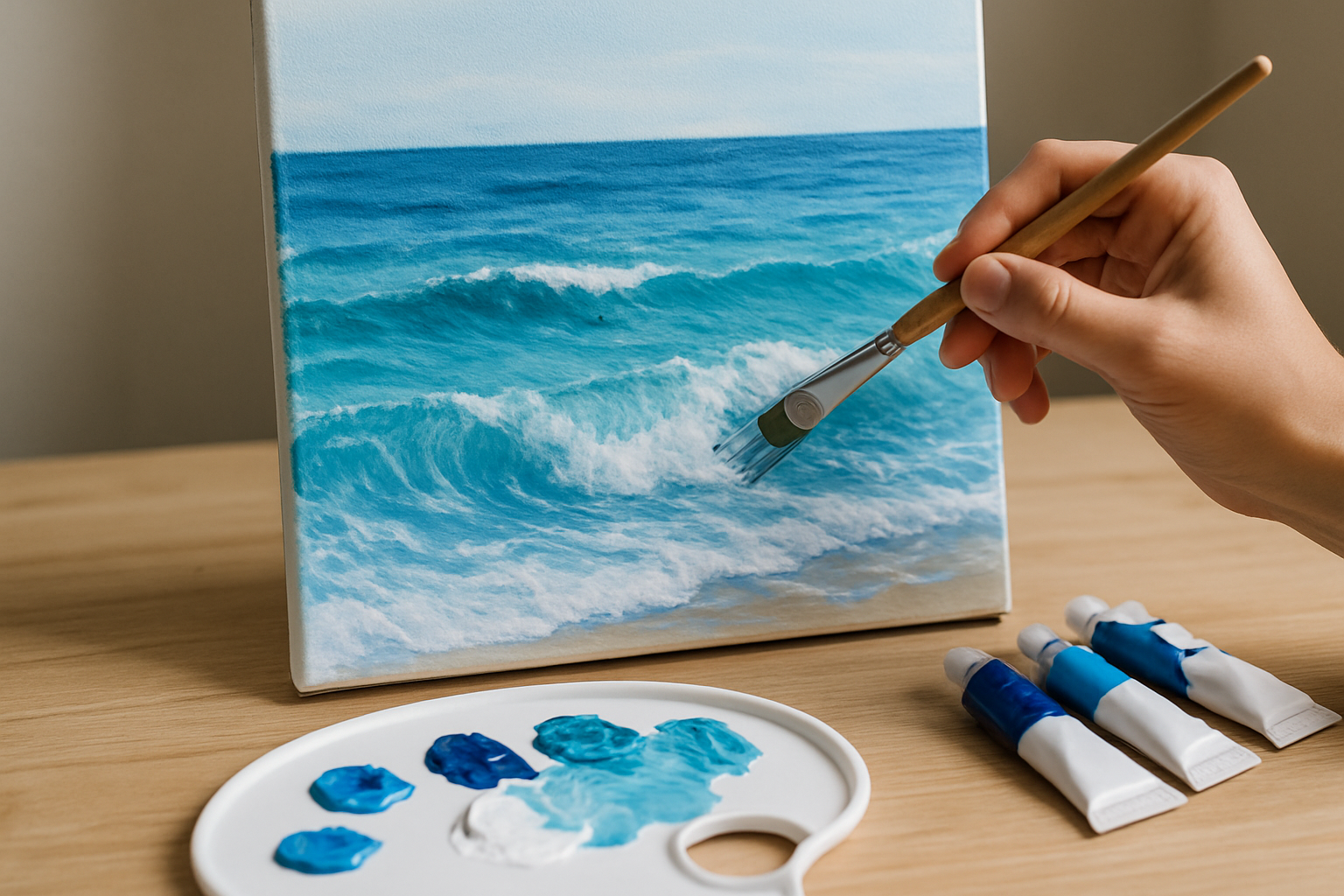
How to Draw Ocean by Acrylic Paint: Step-by-Step Guide
Have you ever wanted to capture the serene beauty of the ocean on canvas? Learning how to draw ocean by acrylic paint can transform your artistic skills and bring the dynamic waves and vibrant colors of the sea to life. Whether you’re a beginner or a seasoned artist, mastering the techniques of acrylic painting can enhance your ability to create stunning seascapes. In this article, we will explore essential tips, foundational techniques, and advanced methods to help you create a breathtaking ocean scene that reflects your unique style. Get ready to dive into the world of acrylics and unlock your creative potential!
Understanding Acrylic Paint and Its Properties
Acrylic paint is a versatile medium that dries quickly and can be used to create a variety of textures. It is water-soluble when wet but becomes water-resistant when dry, making it ideal for ocean scenes that require vibrant colors and layering techniques. Knowing the characteristics of acrylic paint can help you achieve the desired effects in your artwork. Additionally, acrylics can be thinned with water or mixed with mediums to alter their consistency and finish, allowing for more creative control.
Acrylic Paint Basics
Acrylic paints come in various consistencies, including fluid and heavy body. Fluid acrylics are ideal for washes and detailed work, while heavy body acrylics create texture. Understanding these differences helps in choosing the right type for your ocean painting.
Color Mixing Techniques
Mixing colors effectively is crucial for capturing the ocean’s hues. Start with a limited palette and blend colors to create shades of blue, green, and turquoise. Experiment with different ratios to achieve depth and realism in your painting.
Key Points:
- Acrylics are versatile and can be manipulated for various effects.
- Understanding color mixing is essential for creating a realistic ocean palette.
💡 Use a palette knife to mix colors thoroughly for a smooth application.
💡 Keep a color wheel handy to understand complementary colors for added contrast.
Essential Techniques for Painting Ocean Scenes
To effectively capture the beauty of the ocean, certain techniques are essential. Techniques such as wet-on-wet, glazing, and dry brushing can help create the illusion of movement and depth in the water. Mastering these techniques will significantly enhance the quality of your ocean paintings. Additionally, understanding how to layer your paint can add dimension, making your artwork more dynamic and appealing.
Wet-on-Wet Technique
This technique involves applying wet paint onto wet paint, allowing colors to blend on the canvas. It is especially useful for creating soft, flowing water effects that mimic ocean waves. Practicing this technique helps achieve a more natural look in your painting.
Layering for Depth
Layering involves applying multiple thin coats of paint to build up color and texture. Start with a base layer of a lighter blue, then gradually add darker shades to create depth. This approach helps in mimicking the ocean’s varying depths and reflections.
Key Points:
- Wet-on-wet technique creates soft blends perfect for ocean waves.
- Layering enhances the visual depth and realism of your ocean scene.
💡 Practice wet-on-wet on a separate canvas to gain confidence before applying it to your main piece.
💡 Use a spray bottle to keep your paint moist while working on larger areas.
Preparing Your Canvas and Materials
Before diving into painting an ocean scene with acrylics, it’s crucial to prepare your canvas and gather the right materials. Start with a primed canvas to ensure smooth paint application. Acrylic paints dry quickly, so have a palette, brushes of various sizes, water for rinsing, and a rag for blotting at hand. Consider using a palette knife for mixing colors and achieving texture in your water. Additionally, plan your composition by sketching a rough outline of your ocean scene lightly with a pencil. This will help guide your brushwork and ensure you stay within the desired areas while painting. Lastly, make sure you have a comfortable workspace with good lighting to enhance your painting experience.
Choosing the Right Acrylic Colors
Select a palette that reflects the different shades of the ocean. Common colors include various blues, greens, and whites. Consider using a mix of phthalo blue for depth and cerulean blue for lighter areas. Mixing colors adds dimension; for instance, adding a touch of yellow or green can create realistic waves. Experiment with color combinations on your palette before applying them to your canvas, as each color can look different when dry. This preparation will enhance the overall richness of your ocean painting.
Setting Up Your Workspace
A well-organized workspace can significantly impact your painting process. Ensure you have adequate space to move around and access your materials easily. Arrange your brushes, paints, and water container within reach to minimize interruptions. Use a drop cloth or newspaper to protect your surface from paint spills. Good lighting is essential; natural light is ideal, but if it’s not available, ensure you have bright, white artificial lights. Consider playing soft music or setting a calm atmosphere to enhance your creativity while you paint.
Key Points:
- Use primed canvas for best results
- Gather all materials before starting
💡 Prepare your canvas properly to avoid texture issues
💡 Sketch your ocean scene lightly for guidance
Techniques for Painting Ocean Waves
Once your canvas is prepared, focus on the techniques that will bring your ocean waves to life. Start with a base layer of a solid color for the sea, typically a deep blue. Apply this using broad strokes for a smooth base. For waves, use a lighter color, such as a mix of white and blue, and apply it with a fan brush or a palette knife. Techniques like dry brushing will help create the illusion of foam on the waves. Build up layers gradually, allowing each layer to dry before applying the next. This method adds depth and realism to your ocean scene.
Creating Texture with Brush Techniques
To depict the movement of water, use different brush techniques. A flat brush can create larger waves, while a round brush is excellent for smaller details like ripples. Use a swirling motion to mimic the ebb and flow of the waves. Dry brushing, where you use a brush with very little paint, can create the illusion of foam on the crest of the waves. Experiment with different brush sizes and shapes to find what works best for your painting style. Remember, the goal is to blend realism with your artistic interpretation.
Layering for Depth and Realism
Layering is crucial when painting the ocean. Start with dark colors for the depths of the sea, then gradually add lighter colors for the shallower areas and highlights. This creates a sense of depth and dimension. Allow each layer to dry before adding the next to prevent muddiness. You can also glaze over dried paint with transparent colors to enrich the surface and create a shimmering effect, similar to sunlight reflecting off the water. This technique can transform a flat painting into a vibrant representation of the ocean.
Key Points:
- Build layers for depth
- Experiment with glazing for effects
💡 Start with a solid base color for a cohesive look
💡 Use lighter colors sparingly to avoid overpowering the scene
EXPERT TIPS Pro Advice
Master the color wheel
Understanding complementary colors helps create vibrant ocean scenes. For instance, a touch of orange can make blue waves pop.
Practice water reflections
Observing how light reflects on water can improve your painting accuracy. Take photos or paint en plein air to capture real-life details.
Use a reference image
Having a reference image allows you to analyze color and composition, guiding your brushwork and improving the final outcome.
Experiment with different tools
Using tools like sponges or palette knives can create unique textures and effects that enhance the ocean’s appearance.
Don’t rush the drying process
Patience is key in acrylic painting. Allow layers to dry to prevent muddy colors and ensure clarity in your ocean scene.
Frequently Asked Questions
Conclusion
Creating an ocean painting with acrylics involves mastering techniques like layering, color selection, and texture application. Understanding how to depict waves and depth will enhance realism. Experimentation with tools like palette knives can also add unique effects to your artwork.
🎯 Key Takeaways:
- Layer colors from light to dark for depth.
- Use brushes and palette knives for texture.
- Incorporate highlights for realistic waves.
- Choose a harmonious color palette.
- Work in sections to manage drying time.
Expert Advice: Practice regularly to refine your skills and don’t be afraid to experiment. Each painting is a learning experience, helping you develop your style and technique.
Grab your acrylics and canvas, and start painting your ocean masterpiece today!